
Beautiful Plants For Your Interior
Beautiful Plants For Your Interior
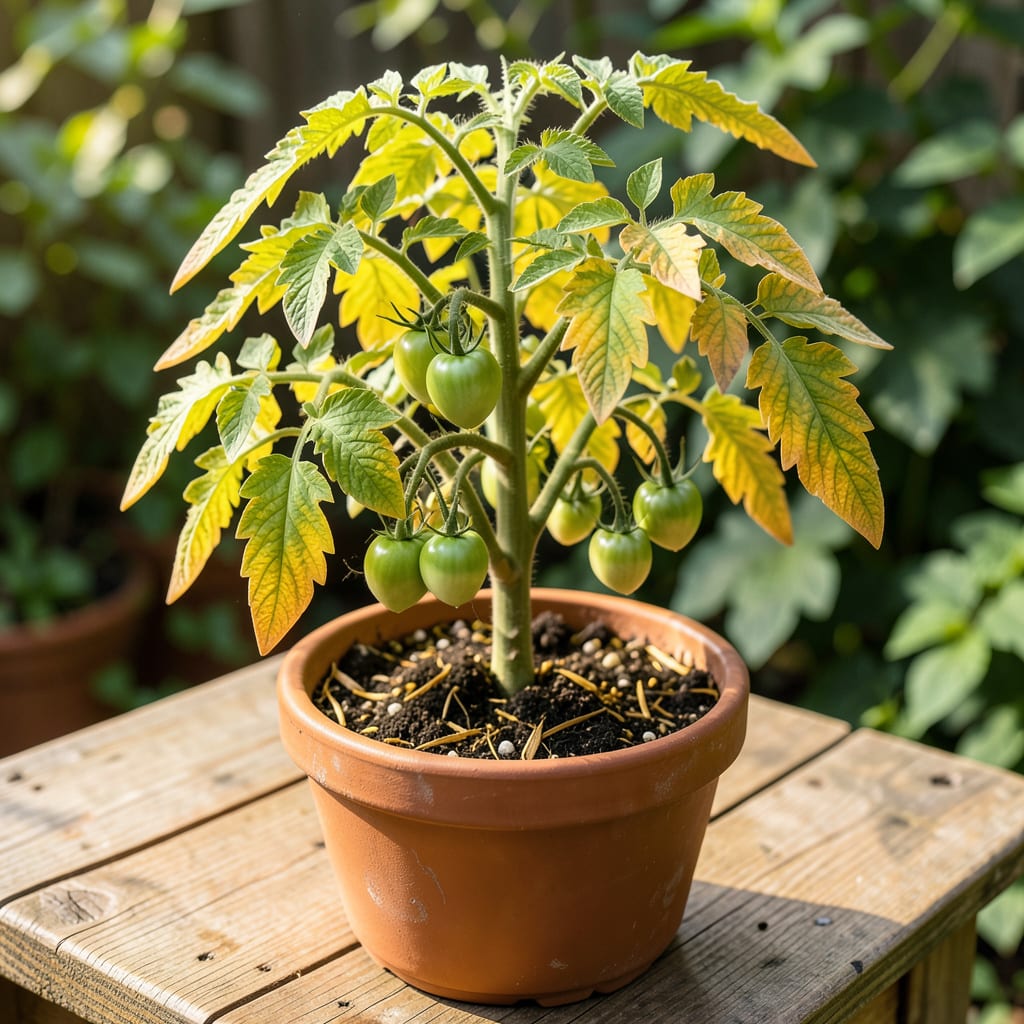
Yellow leaves on tomato plants always feel like a gut punch. I’ve been there—staring at sad, fading foliage and wondering if my entire crop is doomed.
Here’s the thing—this isn’t a death sentence. Most cases are fixable once you pinpoint the cause, whether it’s too much love (overwatering) or not enough (nutrient deficiency).
After diagnosing dozens of my own yellow-leaf episodes, I’ve learned the patterns. The fix often comes down to adjusting water, soil, or sunlight in 24-48 hours.
We’ll walk through the most common culprits and how to nurse your plants back to their vibrant green best.
Yellowing leaves on tomato plants signal stress, and the culprit often lies in how you’re caring for them. Here’s a breakdown of the most common causes, rooted in science:
Too much water suffocates the roots, preventing oxygen uptake. This leads to root rot, where Phytophthora or other fungi thrive in soggy soil, damaging root tissues. As roots die, they can’t absorb nutrients like nitrogen, causing chlorosis (yellowing) in older leaves first. Fix: Let the top 1-2 inches of soil dry before watering, and ensure pots have drainage holes.
Nitrogen, magnesium, or iron shortages trigger yellowing. Nitrogen deficiency starts in lower leaves as the plant redirects it to new growth. Magnesium deficiency (often in sandy or acidic soil) causes interveinal chlorosis—yellowing between leaf veins. Fix: Use a balanced fertilizer (10-10-10) or add Epsom salt (magnesium sulfate) for quick correction.
Extreme heat, cold, or sudden temperature swings disrupt chlorophyll production. Heat stress (above 85°F/29°C) accelerates leaf senescence, while cold snaps (below 50°F/10°C) slow nutrient uptake. Fix: Provide afternoon shade in hot climates and use row covers for cold nights.
Fungal infections like early blight (Alternaria solani) or viral diseases (e.g., Tomato Yellow Leaf Curl Virus) cause yellowing with distinct patterns (e.g., concentric rings or curling). Sap-sucking pests like aphids or whiteflies also stress plants. Fix: Remove infected leaves, apply neem oil, and use resistant varieties (e.g., ‘Defiant’ for early blight).
Tomatoes prefer slightly acidic soil (pH 6.0–6.8). If pH is too high (alkaline), iron and manganese become unavailable, leading to yellowing. Fix: Test soil with a kit and amend with sulfur or lime as needed.
Once you’ve identified the cause, these targeted fixes will help restore your tomato plant’s vibrant green foliage. Act quickly to prevent further stress or yield loss.
If the issue is nitrogen, magnesium, or iron deficiency, amend the soil with a balanced fertilizer or targeted supplement. For nitrogen, use a fish emulsion or compost tea. For magnesium, sprinkle Epsom salt (1 tablespoon per gallon of water) around the base. Yellowing between veins? Iron chelates can help. Prevention tip: 💡 Test soil before planting and top-dress with compost mid-season.
Let the top 1-2 inches of soil dry between waterings to avoid root rot. If underwatering is the culprit, deep-water (1-2 inches per week) at the base—avoid wetting leaves. Use a moisture meter for precision. Prevention tip: 🌡️ Mulch with straw to retain moisture and prevent extremes.
For aphids or whiteflies, spray with neem oil or insecticidal soap. Fungal issues like early blight? Remove affected leaves and apply a copper fungicide. Rotate crops next season to break disease cycles. Prevention tip: ✨ Space plants for airflow and avoid overhead watering.
If leaves scorch from too much sun, provide shade cloth during peak hours. For cold stress, use row covers. Transplant shock? Keep seedlings hardened off before moving outdoors. Prevention tip: 🎯 Acclimate plants gradually to outdoor conditions.
Consistency is key—monitor plants daily and adjust care as needed. Healthy soil and proactive habits keep yellow leaves at bay!
Check the soil—if it feels soggy or smells sour, it’s likely overwatered. Leaves may also feel soft or mushy. Let the top 1-2 inches dry out before watering again.
That’s usually magnesium deficiency. Try adding Epsom salt (1 tablespoon per gallon of water) to the soil for a quick fix.
Once leaves turn yellow, they won’t regain their green color. Focus on correcting the issue to save the rest of the plant. Remove severely yellowed leaves to redirect energy.
Only remove leaves that are fully yellow or brown. If they’re partially green, they may still produce energy. Use clean shears to avoid spreading disease.
