
Beautiful Plants For Your Interior
Beautiful Plants For Your Interior
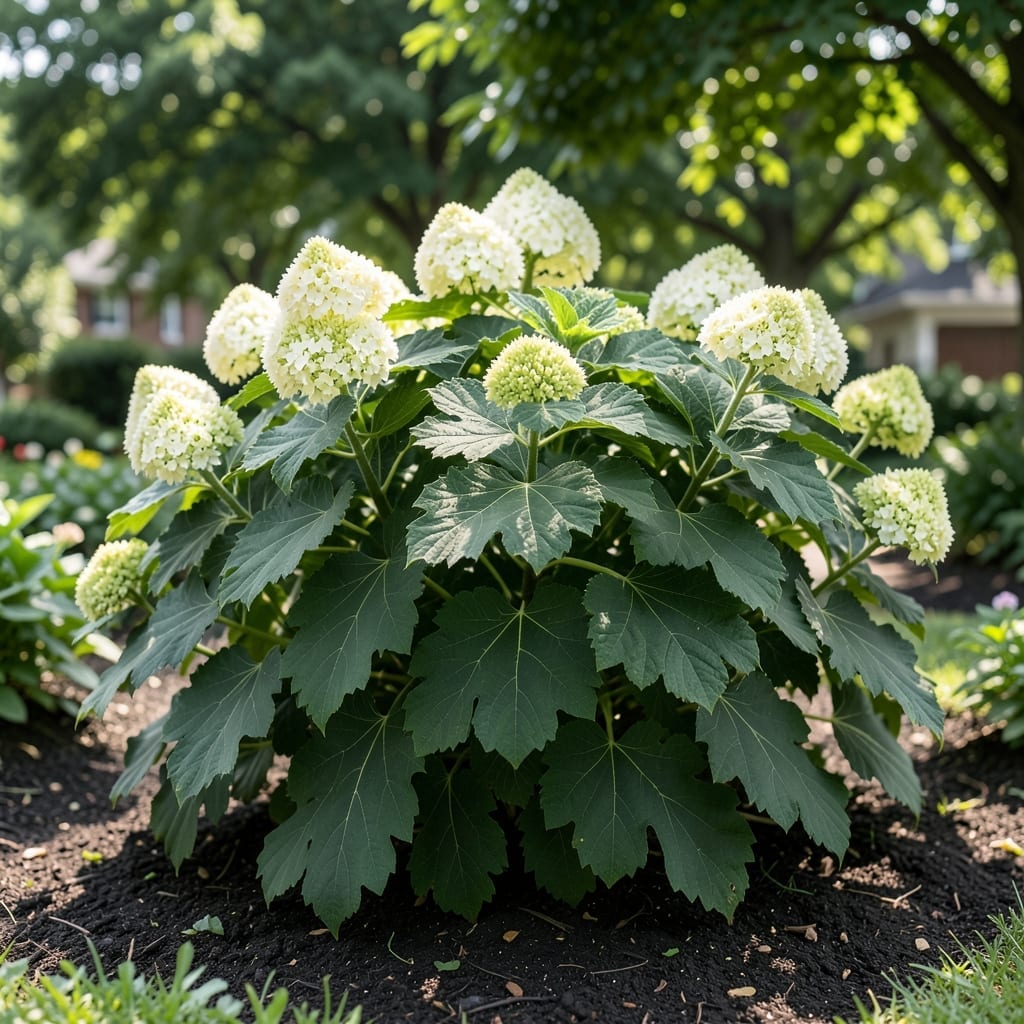
My oakleaf hydrangea stayed stubbornly bare last season. 🌿 Turns out, the issue usually comes down to one of four things: wrong pruning timing, not enough light, poor soil, or a plant that’s still too young to bloom.
I learned the hard way that oakleafs bloom on old wood—cut them back in spring and you’re cutting off this year’s flowers. They also need dappled sunlight and soil that’s slightly acidic to neutral to perform their best.
With the right fixes—like testing your soil and adjusting your pruning schedule—you can coax those beautiful white blooms back. Most gardeners see improvement within one growing season after making changes.
Even mature, healthy plants can skip a year if conditions aren’t right. The good news? This shrub is tough and usually bounces back once you correct the underlying issue.
Oakleaf hydrangeas (Hydrangea quercifolia) may fail to bloom due to several environmental, cultural, or biological factors. Understanding the root causes helps you correct the issue and encourage vibrant blooms. Below are the most common reasons, explained with actionable insights.
Oakleaf hydrangeas typically take 2–4 years to mature and produce flowers. If your shrub is newly planted, it may not have developed enough woody stems or stored sufficient energy for blooming. Young plants prioritize root and foliage growth over flowers. Solution: Be patient and ensure proper care—watering, mulching, and light pruning—to support healthy maturation.
These hydrangeas bloom on old wood (stems from the previous year). A late spring frost can damage or kill the flower buds before they open. If your region experiences unpredictable cold snaps, this is a likely culprit. Solution: Protect the shrub with burlap or frost cloth in late winter, or plant in a sheltered location to shield buds from temperature swings.
Pruning at the wrong time—such as in late summer or fall—can remove the very stems that would produce next year’s blooms. Oakleaf hydrangeas should only be pruned immediately after flowering (mid to late summer) to avoid cutting off future buds. Solution: If you must prune for shape or size, do so right after the blooms fade, and avoid heavy pruning.
While oakleaf hydrangeas tolerate partial shade, insufficient light (less than 3–4 hours of morning sun) can reduce or prevent blooming. Too much deep shade limits photosynthesis, which is essential for flower production. Solution: Relocate the plant to a spot with dappled sunlight or morning sun and afternoon shade, especially in hotter climates.
Excess nitrogen (common in lawn fertilizers) promotes leafy growth at the expense of flowers. Conversely, phosphorus deficiency can also hinder blooming. Solution: Use a balanced, slow-release fertilizer (10-10-10 or 12-4-8) in early spring, and avoid high-nitrogen products. A soil test can confirm nutrient levels.
If your oakleaf hydrangea isn’t blooming, these targeted fixes will help restore its vibrant flowers. Address each issue below based on your plant’s needs.
Oakleaf hydrangeas bloom on old wood, meaning buds form the previous year. Pruning at the wrong time removes these buds. Fix: Prune immediately after blooming (late summer) or avoid pruning altogether unless necessary. Only remove dead or damaged branches in early spring before new growth starts.
Prevention: Mark your calendar for post-bloom pruning and resist the urge to trim in fall or winter.
Oakleaf hydrangeas thrive in slightly acidic to neutral soil (pH 5.5–7.0). Alkaline soil can lock out nutrients, stunting blooms. Fix: Test your soil with a kit. If pH is too high, amend with elemental sulfur or peat moss. For overly acidic soil, add lime in small amounts.
Prevention: Retest soil every 2–3 years, as pH can shift over time.
Too much nitrogen promotes leafy growth at the expense of flowers, while nutrient deficiencies weaken the plant. Fix: Use a balanced, slow-release fertilizer (10-10-10) in early spring. Avoid high-nitrogen formulas. If soil is poor, add compost for organic matter.
Prevention: Fertilize once in spring and once in early summer—no more. Always water deeply after applying.
While oakleaf hydrangeas tolerate shade, they need dappled sunlight (4–6 hours daily) to bloom well. Fix: Relocate the plant to a brighter spot with morning sun and afternoon shade, or thin nearby trees to increase light penetration.
Prevention: Monitor sunlight patterns in your garden and adjust planting locations as needed.
If your hydrangea still won’t bloom after addressing these issues, check for pest damage (like aphids) or disease (such as powdery mildew), which can stress the plant. Treat promptly with neem oil or insecticidal soap if needed.
Newly planted oakleaf hydrangeas typically take 2–4 years to mature and produce their first blooms. Young plants focus energy on root and foliage growth before flowering. Be patient and provide consistent care.
Yes! Pruning in late summer or fall removes next year’s flower buds since oakleafs bloom on old wood. Always prune immediately after flowering to avoid this common mistake.
Too much deep shade can prevent blooming. These shrubs need 4–6 hours of dappled sunlight daily. Move to a brighter spot with morning sun and afternoon shade for best results.
Use a balanced, slow-release fertilizer like 10-10-10 in early spring. Avoid high-nitrogen products, which promote leaves over flowers. Fertilize once in spring and once in early summer.