
Beautiful Plants For Your Interior
Beautiful Plants For Your Interior
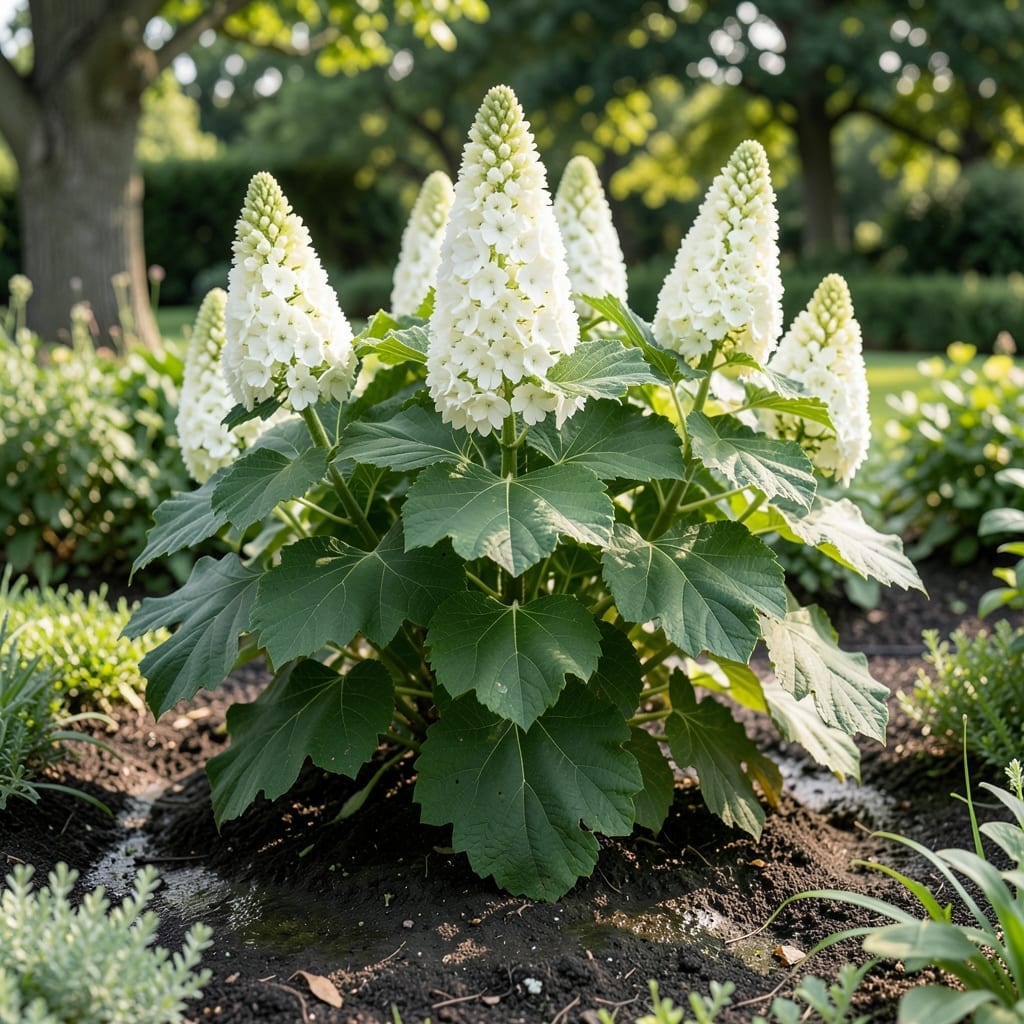
Oakleaf hydrangeas are a garden showstopper with their large, white blooms and stunning fall foliage. But their light requirements often puzzle even seasoned gardeners.
Getting the balance right between sun and shade is the key to vibrant growth and abundant flowers for your 🌸 Oakleaf Hydrangea. Too much direct sunlight can scorch the leaves, while too little may limit blooming.
Let me walk you through exactly what these beautiful shrubs need to thrive in zones 5-9. You’ll discover how to create the perfect lighting conditions for your Oakleaf Hydrangea to reach its full potential.
 Best Window Placement
I’ve found that oakleaf hydrangeas truly thrive in partial shade, making them perfect for those tricky spots in your garden. They prefer morning sun with afternoon shade, especially in hotter climates.
In my experience, 4-6 hours of direct sunlight is ideal, particularly if it’s the gentler morning light. This balance encourages vibrant blooms while protecting the leaves from scorching. The dappled light under tall trees often works wonderfully too 🌳
| Light Requirement | Specification |
| Ideal Exposure | Partial Shade |
| Sun Hours | 4-6 hours |
| Best Time | Morning Sun |
| Shade Type | Dappled or Afternoon |
| USDA Zones | 5-9 |
For gardeners in warmer zones like 8-9, I recommend leaning more toward shade to prevent heat stress. The leaves can get crispy edges if they’re baking in the afternoon sun for too long.
In cooler climates like zone 5, you can push the sun exposure a bit more. I’ve seen oakleaf hydrangeas handle up to 6-7 hours of sun when temperatures stay moderate. Just watch for leaf scorch signs.
The fall foliage on these plants is particularly stunning when they get the right light balance. You’ll notice the leaves turn deep reds and purples, which is a great indicator your plant is happy with its light conditions 🌿
If you’re planting near buildings, east-facing walls are ideal as they get that gentle morning sun. West-facing spots can work too, but you’ll need to ensure there’s some afternoon shade from nearby trees or structures.
Remember that soil moisture plays a role in sun tolerance. Well-mulched plants with consistent moisture can handle a bit more sun than those in dry, compacted soil. I always recommend a 2-3 inch layer of organic mulch.
For container-grown oakleaf hydrangeas, you have more control. I suggest moving pots to follow the shade as the sun shifts throughout the day. This lets you experiment to find that sweet spot.
Lastly, don’t forget that young plants are more sensitive. When first establishing your hydrangea, err on the side of more shade until it’s well-rooted and showing new growth ✂️
I always tell gardeners to watch their plants like a hawk for light-related stress. With oakleaf hydrangeas, too much sun shows up as brown leaf edges or crispy patches on the foliage.
On the flip side, if your plant is in too much shade, you might notice fewer blooms or smaller flower clusters. The stems can also get leggy as they stretch for light 🌿
⚠️ Warning: Leaf scorch from excessive sun is irreversible. Move your plant to partial shade immediately if you see these signs to prevent further damage.
Another red flag is yellowing leaves, which can mean either too much or too little light. Check the pattern – if it’s the top leaves turning yellow, it might be sunburn.
If your hydrangea isn’t blooming at all, it’s often crying out for more light. These plants need that 4-6 hour sweet spot to produce their signature white flowers.
I’ve found that stunted growth is another common sign of poor light conditions. When oakleaf hydrangeas aren’t getting enough light, they just won’t reach their 4-8 foot potential.