
Beautiful Plants For Your Interior
Beautiful Plants For Your Interior
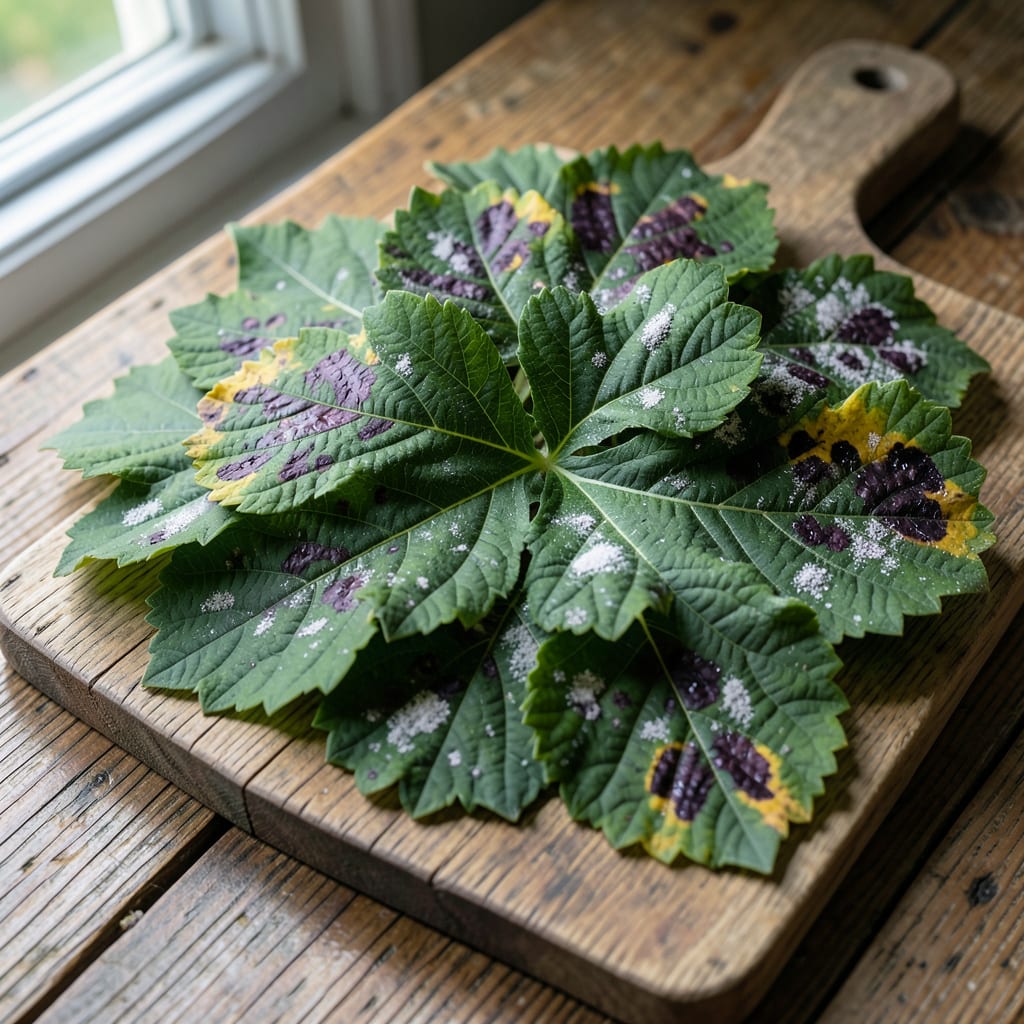
My oakleaf hydrangeas looked invincible until last summer. Spotted leaves, brown edges—turns out even these tough natives aren’t immune to trouble.
Most issues start with too much moisture on leaves or poor air circulation. I learned the hard way that morning watering and proper spacing prevent 90% of problems before they begin.
Early detection is key. Yellow halos around spots? That’s anthracnose. Powdery white coating? Mildew. Catch these early and you can stop the spread with simple fixes.
With the right approach, your hydrangeas bounce back fast. No fancy treatments needed—just consistent care and quick action when you spot the first warning signs.
Oakleaf hydrangeas are hardy, but even these resilient shrubs can fall victim to leaf diseases when conditions align. Understanding the root causes helps you prevent problems before they start. Here’s why these issues develop:
Fungal diseases like powdery mildew and leaf spot thrive in damp, stagnant environments. Overhead watering, high humidity, or dense plantings trap moisture on leaves, creating a breeding ground for spores. Solution: Water at the base of the plant early in the day and prune for better airflow.
Fallen leaves, twigs, and other organic debris harbor fungal pathogens over winter. If not removed, these spores can reinfect the plant in spring. Solution: Rake and dispose of leaf litter in fall, and avoid composting diseased plant material.
Extreme heat, drought, or sudden temperature swings weaken the plant’s defenses, making it more susceptible to infections like bacterial leaf spot. Solution: Mulch to retain soil moisture and provide afternoon shade in hot climates.
Poor drainage or nutrient deficiencies (e.g., low potassium) can stress the plant, reducing its ability to fend off diseases. Solution: Test soil pH (oakleaf hydrangeas prefer 5.5–6.5) and amend with organic matter to improve health.
Tackling oakleaf hydrangea leaf diseases starts with identifying the issue and applying the right fix. Here’s a straightforward guide to treating common problems and preventing future outbreaks.
If you spot white, powdery patches on leaves, act fast. Remove affected leaves and dispose of them in the trash (not compost). Treat the plant with a baking soda solution (1 tsp baking soda, 1 quart water, 1 tsp dish soap) or neem oil spray. Prevention tip: 💡 Space plants for better airflow and water at the base to keep leaves dry.
Dark or yellow spots with halos? trim infected leaves with sterilized pruners and apply a copper-based fungicide or sulfur spray. Prevention tip: 🎯 Avoid overhead watering, and clean up fallen debris regularly to reduce fungal spores.
Brown, scorched edges signal bacterial infection. Prune affected branches immediately and disinfect tools with rubbing alcohol. There’s no cure, so remove severely infected plants to protect others. Prevention tip: ✨ Purchase disease-resistant varieties and avoid working with wet plants.
Aphids and mites can stress plants, making them vulnerable to disease. Blast pests off with water or use insecticidal soap. Prevention tip: 🌡️ Encourage beneficial insects like ladybugs and maintain plant health with proper watering and fertilization.
This is powdery mildew, a common fungal issue. Treat with neem oil or a baking soda solution and improve airflow around the plant.
Brown edges often indicate bacterial leaf scorch. Prune affected areas immediately and sterilize tools to prevent spreading.
Yes! Water at the base in the morning, space plants for airflow, and remove fallen debris. These simple steps prevent 90% of issues.
Fungal spots often have yellow halos, while bacterial infections cause water-soaked or scorched-looking patches. Check patterns carefully.
