
Beautiful Plants For Your Interior
Beautiful Plants For Your Interior
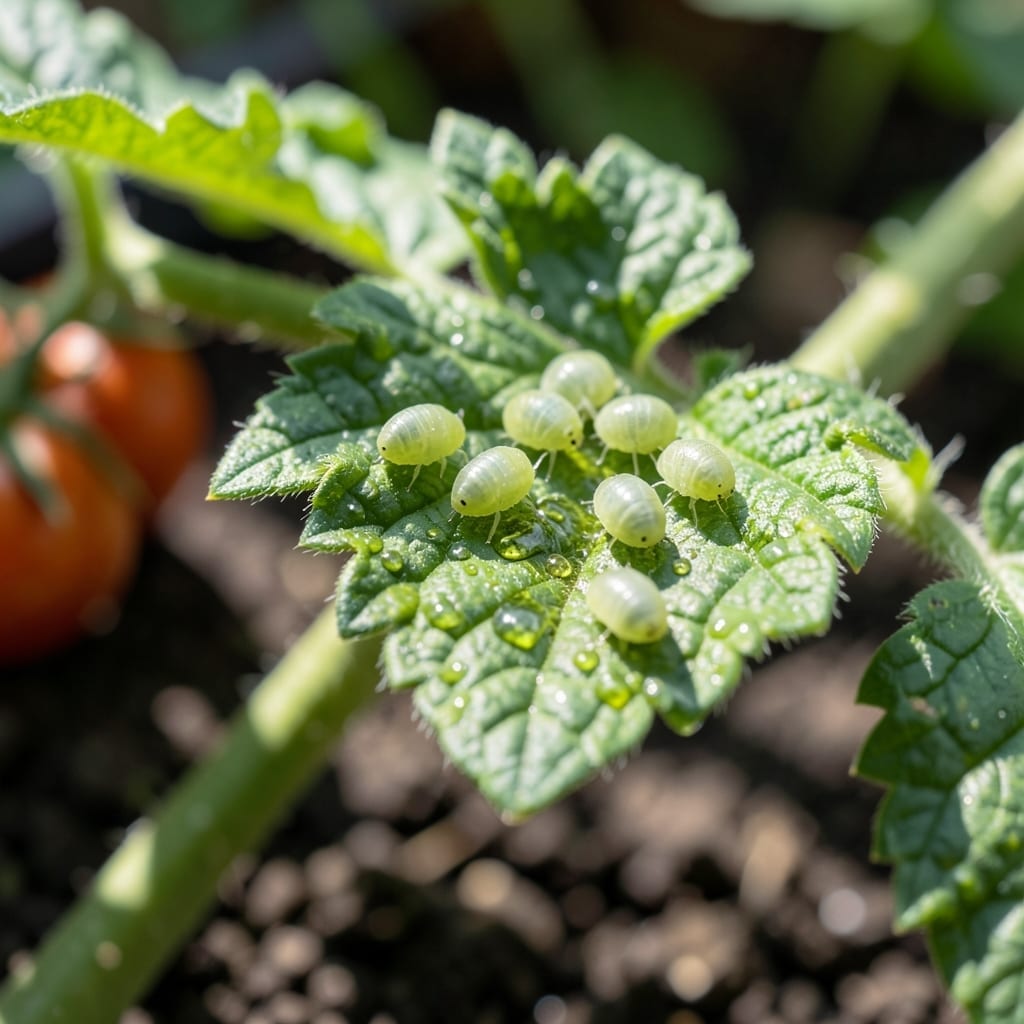
Last summer, aphids nearly destroyed my rose bushes. Neem oil spray saved them—completely organic and surprisingly effective against even the worst infestations.
I was skeptical at first, but one application knocked back the aphid population within 24 hours. The key is proper dilution and timing—too strong and you’ll harm the plants, too weak and it won’t work at all.
Now my garden stays protected without harsh chemicals. The plants look healthier, the leaves stay green, and I don’t have to worry about pests spreading to other areas.
Works on vegetables, flowers, and houseplants too. Here’s how to mix and apply it for the best results.
Aphid outbreaks don’t happen by accident—they’re driven by specific biological and environmental triggers. Understanding these causes helps you prevent infestations before they start.
High-nitrogen fertilizers promote soft, succulent plant growth, which aphids find irresistible. These pests thrive on tender new shoots and leaves, which are easier to pierce and feed on. Reducing nitrogen-heavy feeds in favor of balanced or phosphorus-rich options can toughen plant tissues, making them less appealing to aphids.
Aphids reproduce rapidly in warm (65–80°F) and dry environments. These conditions accelerate their life cycle, allowing populations to explode in just days. Overhead watering can disrupt their movement, while maintaining moderate humidity can slow their spread.
When beneficial insects like ladybugs, lacewings, or parasitic wasps are absent, aphid populations go unchecked. Overuse of broad-spectrum pesticides often kills these predators, creating a vacuum that aphids quickly fill. Encouraging biodiversity (e.g., planting pollinator-friendly flowers) restores this natural balance.
Plants grown too closely together or under stress (from drought, poor soil, or disease) emit chemical signals that attract aphids. These pests target weakened plants because their defenses are compromised. Proper spacing, consistent watering, and healthy soil can reduce these stress signals.
Tackling aphids with neem oil is straightforward once you know the right steps. Here’s how to solve the problem and keep your plants thriving:
For a small cluster of aphids, mix 1 tsp neem oil + ½ tsp mild liquid soap + 1 quart water. Shake well and spray directly on the pests. Reapply every 2-3 days until they’re gone. Pro tip: 💡 Test the spray on a small leaf area first to avoid plant sensitivity.
If aphids have spread widely, use a stronger mix: 2 tbsp neem oil + 1 tsp soap + 1 gallon water. Spray all surfaces, including undersides of leaves where aphids hide. Repeat weekly or after rain. Why it works: Neem oil disrupts their feeding and breeding cycles.
For active infestations, reapply every 2-3 days until aphids are gone. For prevention, use a foliar spray every 2-4 weeks. Always check plants after rain, as it can wash away the oil.
Yes, but avoid spraying 1-2 days before harvest. Neem oil is organic and safe when used correctly. Wash produce thoroughly before eating.
The soap acts as an emulsifier, helping the oil mix with water. Without it, the oil separates and won’t coat leaves evenly. Use mild liquid soap to avoid plant damage.
Check your mix ratio—too weak and it won’t be effective. Ensure you’re covering leaf undersides where aphids hide. If still ineffective, consider adding insecticidal soap for a stronger approach.