
Beautiful Plants For Your Interior
Beautiful Plants For Your Interior
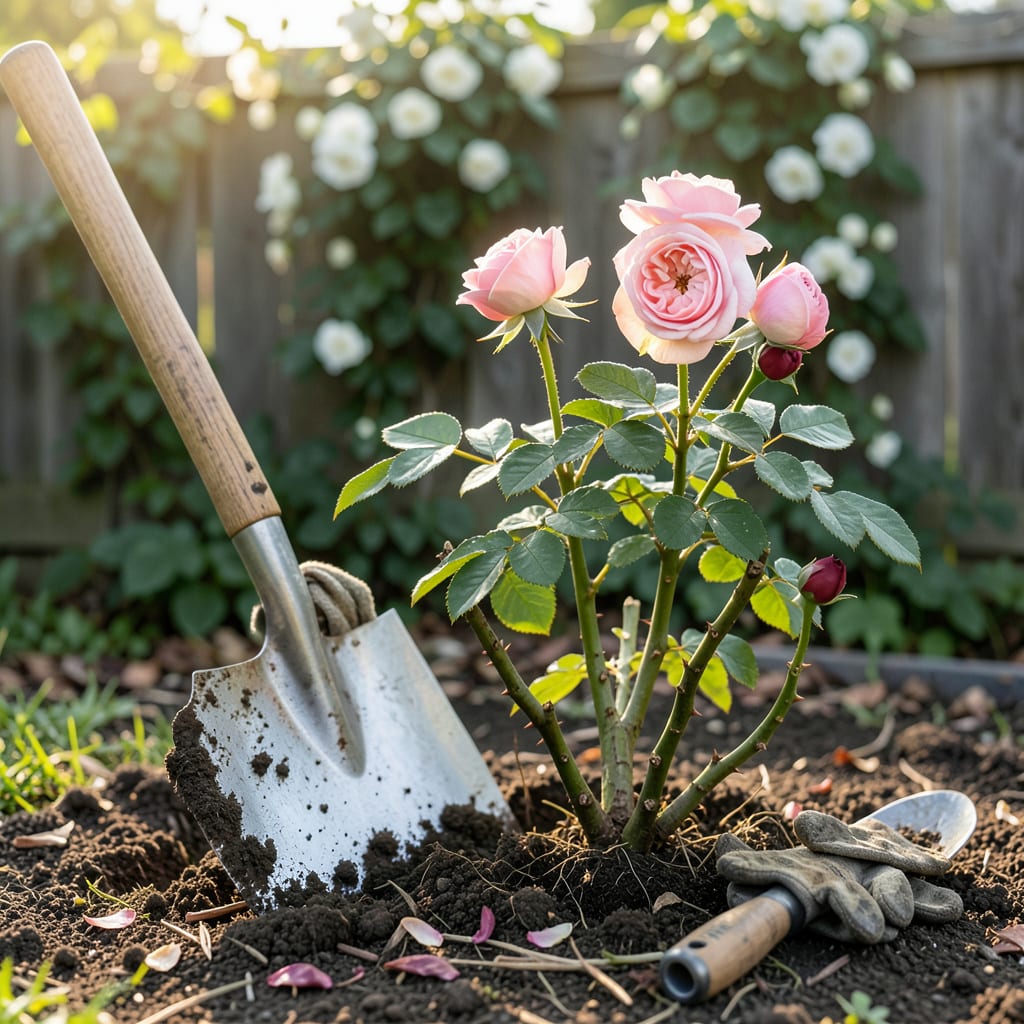
Timing isn’t just important—it’s everything when planting 🌹 rose bushes in Texas. Plant too late, and scorching summers will stress your new blooms. Plant too early, and a surprise freeze could wipe out your efforts overnight.
After helping dozens of Texas gardeners avoid these costly mistakes, I’ve nailed down the exact windows for success—whether you’re in the humid Gulf Coast or the arid High Plains. Let’s cut through the guesswork so your roses thrive from day one.
If you’ve ever wondered why your neighbor’s rose bushes thrive while yours struggle, timing is likely the culprit. Texas spans USDA Zones 6a–10b, meaning planting windows vary dramatically from the Panhandle to the Gulf Coast. Get it right, and you’ll enjoy lush blooms for years.
Fall is the golden window for most Texas regions—specifically October through November. This gives roots time to establish before summer’s brutal heat. However, bare-root roses do best in late winter (January–February), while container-grown roses can go in slightly later.
| Texas Region | USDA Zone | Best Planting Months | Key Consideration |
|---|---|---|---|
| North Texas (Dallas, Fort Worth) | 7b–8a | October–November | Avoid late frosts (last frost ~March 15) |
| Central Texas (Austin, San Antonio) | 8a–8b | October–December | Heat-tolerant varieties thrive here |
| South Texas (Houston, Corpus Christi) | 9a–9b | November–February | Humidity + heat = fungal risk (space plants well) |
| West Texas (El Paso, Lubbock) | 7a–8b | February–March | Low humidity but intense sun—mulch heavily |
In North Texas, aim for October planting to give roots a head start before winter. The last frost date (around March 15) means spring planting is riskier—new growth can be damaged by late freezes. I always recommend container roses here for flexibility.
Down in South Texas, you’ve got more wiggle room thanks to milder winters. November through February works, but avoid the peak summer months (June–August). The humidity and heat combo stresses roses, so morning sun and afternoon shade are ideal.
For Central Texas gardeners, October–December is your sweet spot. The clay-heavy soil here drains poorly, so amend with compost or pine bark fines before planting. If you miss the fall window, early spring (February) is your backup—just watch for late frosts.
Out in West Texas, the rules bend a bit. The arid climate and sandy soil mean you can plant as late as March. But mulching is non-negotiable—it locks in moisture and protects roots from temperature swings that can hit 30°F at night and 80°F by day.
No matter your zone, avoid summer planting. Texas heat stresses roses, and the transplant shock can be fatal. If you must plant in summer, choose container-grown roses, water daily for the first month, and provide temporary shade cloth to ease the transition.
Pro tip: Check your local frost dates using the Texas A&M AgriLife Extension tool. For example, Houston’s last frost is around February 15, while Amarillo’s isn’t until April 15. This small detail can make or break your roses’ first year.
Finally, if you’re planting bare-root roses, soak them in water for 12–24 hours before planting. For container roses, gently loosen the roots if they’re circling the pot. Both types need a wide, shallow hole—twice as wide as the root ball but no deeper—to encourage outward root growth.
🌹Planning your rose planting schedule in Texas means working around extreme heat, unpredictable frosts, and regional microclimates. While fall is ideal for most areas, your exact timing depends on whether you’re in the Piney Woods or the Chihuahuan Desert.
I’ve broken down the year into a month-by-month action plan, tailored to Texas’s four major regions. Whether you’re planting bare-root roses in January or container roses in October, this calendar ensures your roses get the best start—without the guesswork.
If you’re in Houston or the Gulf Coast, your humidity and sandy soil demand extra attention. I recommend raising beds 6–8 inches to improve drainage and planting disease-resistant varieties like ‘Knock Out’ or ‘Earth-Kind’ roses.
For Dallas-Fort Worth gardeners, the clay soil is your biggest challenge. Before planting, mix in 50% native soil with 50% compost/pine fines. This prevents water from pooling around roots, which can lead to root rot—a common issue in our heavy soils.
West Texas gardeners face a different battle: low humidity and intense sun. Here, drip irrigation is a game-changer. Set timers for early morning watering (4–6 AM) to reduce evaporation. Mulch with gravel or wood chips to keep roots cool.
No matter your region, avoid planting in summer. The combination of high temperatures and drought stress makes it nearly impossible for roses to establish. If you must plant in summer, opt for container-grown roses and provide temporary shade for the first 4–6 weeks.
Finally, mark your calendar for September—that’s when you’ll start reducing water to harden off roses for winter. In North Texas, apply a thick mulch layer (4–6 inches) in late November to insulate roots. Down south, you can wait until December or even skip mulching in Zone 9b.
🌹Even with perfect timing, Texas gardeners often make critical errors that sabotage their rose bushes before they’ve had a chance to thrive. After seeing too many wilting roses in my consulting work, I’ve pinpointed the top mistakes—and how to fix them before it’s too late.
The biggest offender? Planting at the wrong depth. Roses need their graft union (that bulge where roots meet stems) 1–2 inches below soil in hot zones like South/Central Texas. Plant it too shallow, and the union burns in our 100°F summers.
Another silent killer is poor watering habits. Many gardeners drown their roses in daily shallow watering, which encourages weak roots. Instead, soak deeply 1–2 times weekly, letting water penetrate 12–18 inches down. In West Texas, drip irrigation is your best friend—it delivers water straight to roots without evaporation.
Don’t overlook sun exposure either. While roses love 6+ hours of sun, afternoon shade is a must in Zones 8b–9b. I’ve seen black spot fungus explode on roses baked in 3 PM sun. A 30% shade cloth from June–August can save your blooms.
Finally, fertilizer misuse stunts more Texas roses than you’d think. Never fertilize newly planted roses—wait 4–6 weeks for roots to establish. Then, use a slow-release 10-10-10 and stop feeding by September to avoid tender growth before frost. In South Texas, cut fertilizer in half during drought alerts.
If your roses look stressed, act fast: prune dead canes, deep-water at dawn, and spray neem oil for pests. Most Texas rose failures aren’t from bad luck—they’re from fixable mistakes like these. Get these right, and your roses will laugh at our heat waves! 🌹
Fall is the best season for most Texas regions, especially October–November. This timing allows roots to establish before summer heat arrives. Spring planting works in West Texas (February–March) but risks late frosts in North/Central areas.
Avoid summer planting—extreme heat stresses new roses, leading to transplant shock. If absolutely necessary, choose container-grown roses, water daily, and use shade cloth for the first month. Survival rates drop significantly in 90°F+ temps.
The graft union (where roots meet stems) should sit 1–2 inches below soil in hot zones like South/Central Texas. In cooler areas (e.g., Panhandle), plant it at soil level. Wrong depth exposes the union to sunburn or frost damage.
Opt for disease-resistant varieties like ‘Knock Out’, ‘Earth-Kind’, or ‘Belinda’s Dream’. These thrive in Texas’s humidity and heat with minimal fuss. Avoid delicate hybrids unless you’re prepared for extra maintenance.
Water deeply 2–3 times weekly for the first month, ensuring moisture reaches 12–18 inches deep. In clay soil (common in DFW), check drainage to avoid root rot. Adjust to daily watering only in 100°F+ heat waves.
