
Beautiful Plants For Your Interior
Beautiful Plants For Your Interior
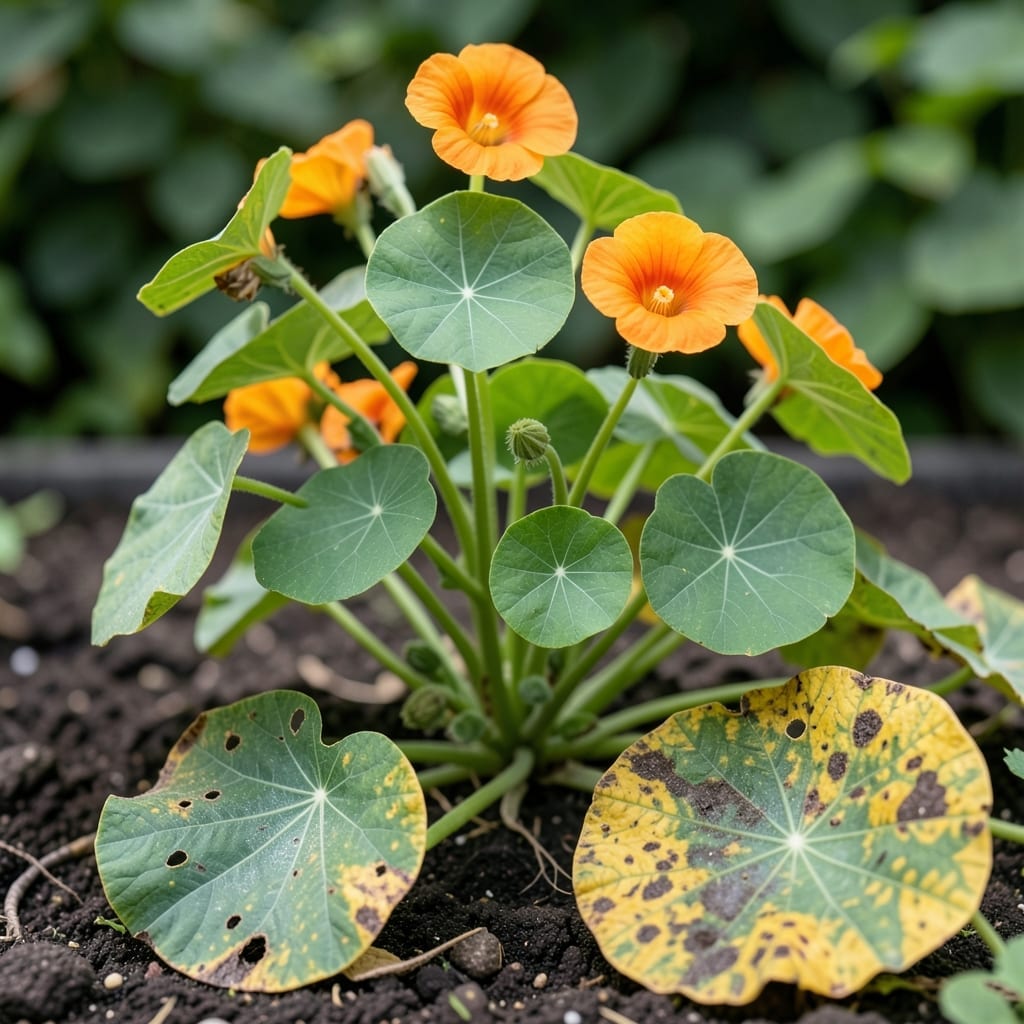
Yellow spots on your nasturtium leaves aren’t just ugly—they’re a cry for help. I’ve seen healthy plants turn into Swiss cheese overnight, and the culprit is usually hiding in plain sight.
Most problems start with too much water, not enough sun, or uninvited guests munching away. The good news? Nasturtiums bounce back fast when you fix the issue early. 24-48 hours of the right care can stop the damage.
You’ll learn to spot the difference between pest damage and disease, plus the simple fixes that save your plants. No fancy equipment needed—just a sharp eye and quick action.
Works for container and garden plants alike. Here’s how to keep your nasturtiums thriving.
Nasturtium leaves can develop problems for several reasons, often tied to environmental stress, pests, or cultural practices. Here’s why these issues happen, broken down by cause:
Extreme temperatures, especially heat above 90°F (32°C), can cause leaf scorch or wilting. Nasturtiums thrive in moderate climates, and prolonged exposure to intense sunlight without adequate water leads to crispy, brown edges. Conversely, cold snaps below 40°F (4°C) may trigger yellowing or stunted growth as the plant’s metabolism slows.
Both overwatering and underwatering disrupt leaf health. Soggy soil suffocates roots, reducing oxygen uptake and causing yellow, mushy leaves. Meanwhile, drought stress forces the plant to conserve water, leading to dry, curled, or brittle foliage. Nasturtiums prefer consistently moist but well-drained soil.
Sap-sucking pests like aphids, spider mites, or whiteflies pierce leaf cells, draining nutrients and causing stippling, yellow spots, or distorted growth. Aphids, in particular, excrete honeydew—a sticky residue that promotes sooty mold, further blocking photosynthesis. Early intervention with insecticidal soap or neem oil can prevent severe damage.
High humidity and poor air circulation create ideal conditions for powdery mildew (white powdery patches) or bacterial leaf spot (dark, water-soaked lesions). These pathogens spread rapidly in crowded plantings or when foliage stays wet for extended periods. Preventative measures include spacing plants properly and watering at the base.
While nasturtiums are low-maintenance, nitrogen or potassium deficiencies can still arise in poor soil. Yellowing leaves (chlorosis) often signal a lack of nitrogen, while weak stems and leaf edges browning may indicate potassium shortages. A balanced, light application of organic fertilizer can restore vigor without overfeeding.
Addressing nasturtium leaf problems starts with identifying the cause and applying targeted fixes. Below are practical solutions for common issues, along with prevention tips to keep your plants thriving.
Fix: Yellow leaves often signal overwatering or nutrient deficiency. Let the soil dry slightly between waterings, and avoid soggy conditions. If the soil is poor, amend it with compost or use a balanced, water-soluble fertilizer (10-10-10) every 4-6 weeks. Trim severely yellowed leaves to redirect energy to healthy growth.
Prevention: Plant nasturtiums in well-draining soil and water only when the top inch of soil feels dry. 💡 Pro tip: Use mulch to retain moisture without waterlogging.
Fix: Holes are usually caused by pests like aphids, slugs, or caterpillars. Spray aphids off with water or apply insecticidal soap. For slugs, set up beer traps or use iron phosphate baits. Handpick larger pests like caterpillars. Neem oil can also deter many leaf-munching insects.
Prevention: Encourage natural predators like ladybugs by planting companion flowers. Inspect leaves regularly, especially undersides, for early signs of infestation. ✨
Fix: Spots often indicate fungal diseases (e.g., leaf spot or powdery mildew). Remove affected leaves immediately to prevent spread. Improve air circulation by spacing plants 12-18 inches apart. Apply a copper-based fungicide or a DIY solution of 1 tsp baking soda + 1 quart water + a drop of dish soap.
Prevention: Water at the base of the plant (not overhead) and do it in the morning so leaves dry quickly. Clean up fallen debris to reduce fungal spores. 🌡️
Fix: Wilting can stem from underwatering, heat stress, or root rot. Check soil moisture—if dry, water deeply. If the soil is soggy, improve drainage or repot the plant. For heat stress, provide afternoon shade or use shade cloth during extreme heat.
Prevention: Nasturtiums prefer consistent moisture but hate wet feet. Use containers with drainage holes and monitor weather conditions. 🎯
Holes are usually from pests like aphids, slugs, or caterpillars. Check leaf undersides for intruders. Use insecticidal soap or beer traps for slugs.
Yellowing often means overwatering or poor nutrition. Let soil dry slightly between waterings and amend with compost. Trim damaged leaves to help recovery.
Yes, if caught early! Remove affected leaves, improve airflow, and apply copper fungicide. Water at the base to keep foliage dry.
Heat stress or dry soil. Provide afternoon shade and water deeply when soil feels dry. Ensure pots have drainage holes to prevent rot.