
Beautiful Plants For Your Interior
Beautiful Plants For Your Interior
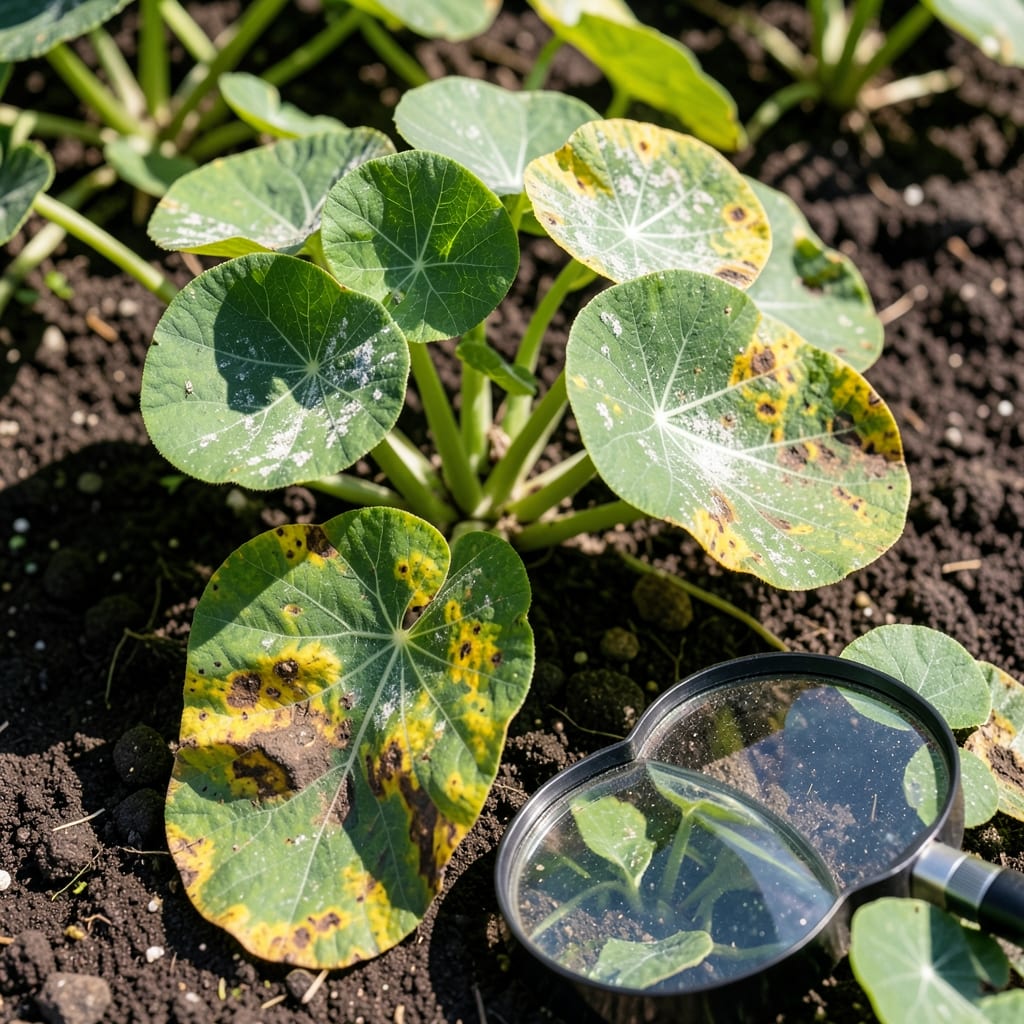
Yellow spots on your nasturtium leaves ruined my first garden season. Honestly, I thought I was doing everything right—until I realized the problem started with how I watered.
Most leaf diseases spread through moisture, so the fix often begins with your morning routine. I switched to watering at the base and saw dramatic improvement within a week, even with the same plants.
Natural treatments work surprisingly well for these issues. A simple spray of baking soda and water, applied early, can stop the spread without harsh chemicals.
The real secret is prevention. Proper spacing, good airflow, and removing affected leaves quickly keeps your plants healthy all season long.
Understanding why nasturtium leaves fall victim to disease starts with recognizing the key triggers. These vibrant plants are hardy, but certain conditions can compromise their health. Below are the primary causes, broken down for clarity and actionability.
Fungal diseases like powdery mildew and downy mildew thrive in damp environments. Overwatering or poor soil drainage creates a breeding ground for Oidium and Plasmopara pathogens. Nasturtiums prefer well-draining soil; waterlogged roots stress the plant, reducing its ability to fend off infections.
Dense plantings restrict air circulation, trapping humidity around the leaves. This stagnant, moist air accelerates fungal spore germination. Bacterial leaf spot (Xanthomonas spp.) also spreads rapidly in crowded conditions, as splashing water easily transfers pathogens between leaves.
Nasturtiums flourish in moderate climates, but extreme heat or cold can weaken their defenses. High humidity (above 80%) paired with temperatures between 60–75°F (15–24°C) is ideal for fungal growth. Conversely, heat stress (above 90°F/32°C) can cause leaf scorch, making tissues more susceptible to secondary infections.
Aphids, whiteflies, and cucumber beetles don’t just feed on nasturtiums—they also transmit viral diseases like cucumber mosaic virus (CMV). Even minor physical damage (e.g., from hail or gardening tools) creates entry points for bacteria and fungi.
Pro tip: Remove infected leaves immediately to prevent pests from spreading pathogens further.
When your nasturtiums show signs of leaf trouble, quick and targeted action can restore their health. Below are practical fixes for common problems, along with prevention tips to keep your plants thriving.
If you spot white, powdery spots, trim affected leaves and space plants further apart to boost circulation. Spray leaves with a mix of 1 teaspoon baking soda + 1 quart water + a drop of dish soap weekly. Prevention tip: 💡 Water at the base in the morning to let leaves dry fast.
For visible pests, use a strong jet of water to dislodge them, or apply insecticidal soap. Set up yellow sticky traps to catch flying insects. Prevention tip: 🌡️ Encourage ladybugs and lacewings—natural predators that keep pest populations in check.
Brown or black spots with yellow halos? Remove infected leaves and avoid overhead watering. Switch to drip irrigation to keep foliage dry. Prevention tip: ✨ Mulch with straw to prevent soil splashing onto leaves during rain or watering.
For persistent fungal problems, apply a copper-based fungicide as directed. Clear away fallen leaves and debris to reduce spores. Prevention tip: 🎯 Rotate crops yearly to prevent fungal buildup in the soil.
White powdery spots typically signal powdery mildew, a common fungal issue. It thrives in humid conditions with poor airflow. Trim affected leaves and improve circulation to stop its spread.
Remove infected leaves immediately and avoid overhead watering. Use drip irrigation and apply a copper-based fungicide if needed. Keep foliage dry to discourage fungal growth.
Yes, aphids and whiteflies can transmit viruses like cucumber mosaic. Use yellow sticky traps or insecticidal soap to control pests. Encourage natural predators like ladybugs for long-term prevention.
A baking soda spray (1 teaspoon per quart of water) can treat early-stage mildew. Apply weekly and ensure good airflow. This natural remedy works best as a preventive measure.