
Beautiful Plants For Your Interior
Beautiful Plants For Your Interior
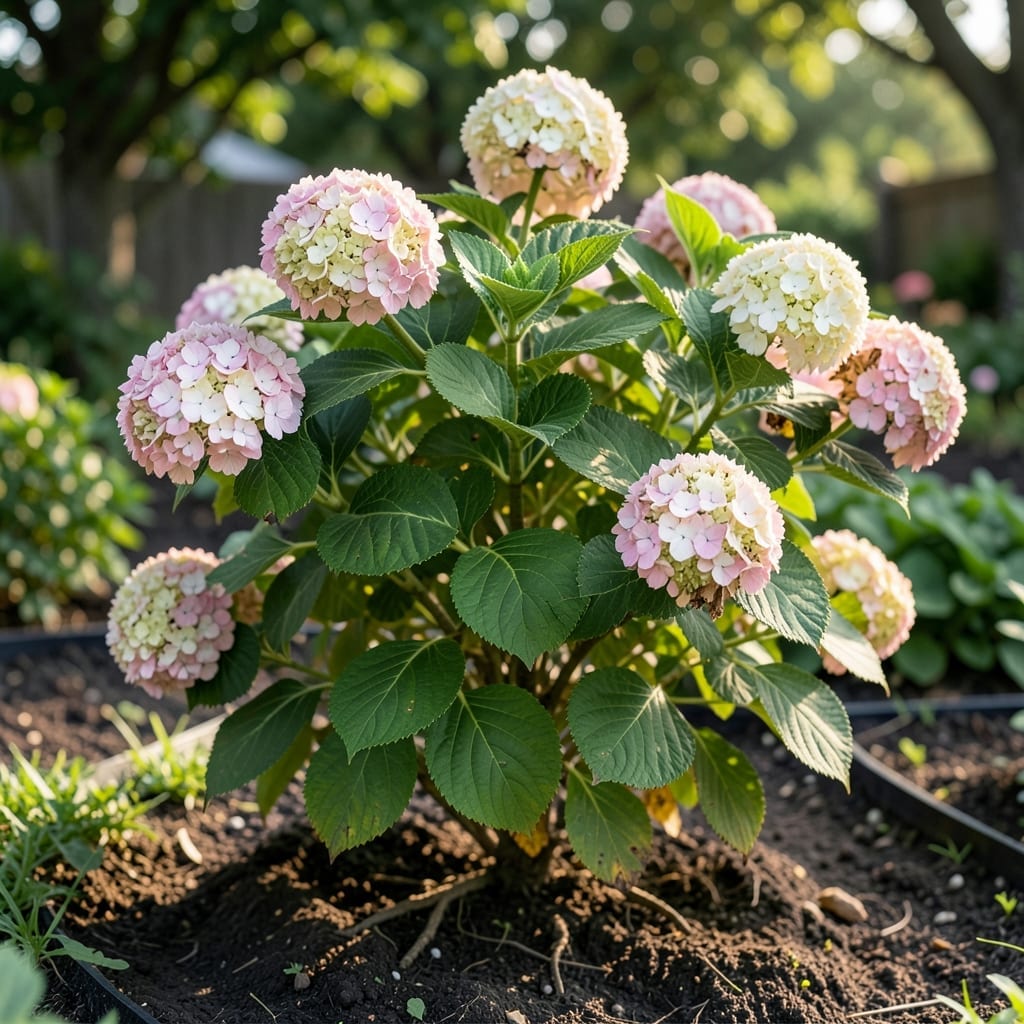
Nothing sags your spirits faster than watching your hydrangeas droop overnight. I’ve been there—waking up to what looked like wilting sadness in my garden. The good news? Most cases are fixable within 24 hours.
Drooping usually signals one of three things: thirst, too much water, or a sudden temperature swing. My own hydrangeas perked up completely after I adjusted my watering schedule and moved them out of the afternoon sun.
You’ll see the first signs of recovery within a few hours of the right fix. Leaves regain their bounce, stems straighten, and those gorgeous blooms lift their heads again. It’s remarkably satisfying.
Works for bigleaf, panicle, and oakleaf varieties alike. Let’s get them standing tall again.
Drooping hydrangeas are a signal that something’s off. Here are the most likely culprits and the science behind them:
Hydrangeas thrive in consistently moist soil. When underwatered, their large leaves wilt as the plant conserves water. Conversely, overwatering suffocates roots, preventing oxygen uptake. Hydrangea macrophylla (bigleaf hydrangeas) are particularly sensitive—check soil moisture 2 inches deep. Ideal: damp but not soggy.
Above 85°F (29°C), hydrangeas enter survival mode. Their transpiration rate spikes, causing leaves to droop as they lose water faster than roots can absorb it. Midday wilting is common, but if drooping persists into cooler hours, heat damage may be permanent.
Disturbed or compacted roots (from planting, weeds, or foot traffic) disrupt water and nutrient flow. Even transplant shock can cause temporary drooping as roots re-establish. Look for yellowing leaves or stunted growth as red flags.
Phytophthora or Pythium root rot thrive in waterlogged soil, blocking water transport. Leaves turn yellow or brown before drooping. Prevent with well-draining soil and avoid overhead watering to reduce fungal spores.
A lack of magnesium or phosphorus weakens cell structure, leading to limp foliage. Test soil pH—hydrangeas prefer 5.5–6.5. Adjust with lime (raises pH) or sulfur (lowers pH) to unlock nutrients.
Don’t panic if your hydrangeas look sad—most causes are fixable! Here’s how to address each issue and restore their vibrant bloom. 🌸
If the soil is bone-dry, give your hydrangeas a slow, deep soak at the base. Aim for 1–2 inches of water per week, more in extreme heat. Use a moisture meter or the finger test (stick your finger 2 inches into the soil) to check dryness. Prevention tip: Mulch with 2–3 inches of organic material (like bark or compost) to retain moisture. 💡
Soggy roots suffocate plants. If the soil feels waterlogged, stop watering immediately and let it dry out. For potted hydrangeas, ensure the container has drainage holes. Amend heavy clay soil with perlite or compost to boost drainage. Prevention tip: Plant hydrangeas in raised beds if your soil retains too much water. ✨
Wilting in scorching afternoons? Move potted hydrangeas to a shadier spot or erect a temporary shade cloth for in-ground plants. Water early in the morning to reduce evaporation. Prevention tip: Choose heat-tolerant varieties like Hydrangea paniculata for sunnier spots. 🌡️
Newly planted or repotted hydrangeas may droop as they adjust. Trim back a third of the foliage to reduce stress, and keep the soil consistently moist (not soggy). Avoid fertilizing for 2–3 weeks. Prevention tip: Transplant in early spring or fall to minimize shock. 🎯
Check for aphids, spider mites, or fungal spots. Blast pests off with water or use insecticidal soap. For fungal issues (like powdery mildew), prune affected leaves and apply a fungicide. Prevention tip: Space plants for airflow and avoid overhead watering. 🛡️
Underwatered hydrangeas often perk up within 2-4 hours of a deep watering. If they remain droopy after 24 hours, check for root rot or other issues.
Yes, if left too long. Prolonged underwatering or heat stress can cause lasting damage. Act within 12-24 hours for best recovery chances.
No. Fertilizer can burn stressed roots. Wait until leaves regain turgor and soil moisture stabilizes before applying any nutrients.
This is normal! Hydrangeas often droop slightly in cooler nighttime temperatures, then recover by morning. Only worry if they stay droopy.