
Beautiful Plants For Your Interior
Beautiful Plants For Your Interior
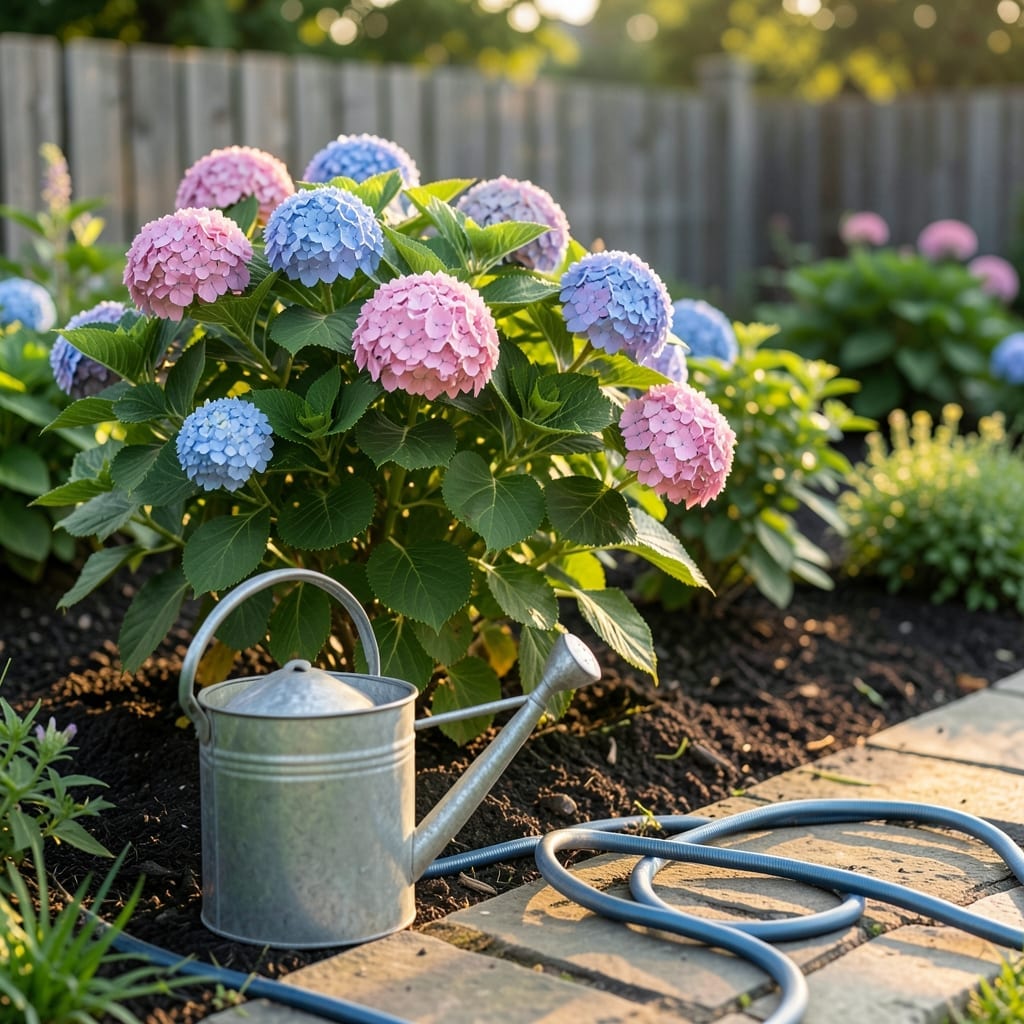
Newly planted 🌸 Hydrangeas need consistent moisture to establish strong roots, but overwatering can be just as harmful as underwatering. It’s a delicate balance that many new gardeners struggle with.
I’ve learned through experience that the first 4-6 weeks are critical. The right watering schedule makes all the difference in helping your Hydrangeas thrive during this vulnerable period.
Discover the perfect approach to keep your plants healthy without drowning them. Let me walk you through the essentials for successful Hydrangea care.
Getting the watering schedule right is crucial for newly planted hydrangeas. In the first 4-6 weeks, they need consistent moisture to establish strong roots without becoming waterlogged. 🌸
I recommend starting with deep watering every 2-3 days during this critical establishment period. This frequency helps the roots grow deep into the soil while preventing drought stress. 🌿
| Stage | Watering Frequency | Amount |
|---|---|---|
| Week 1-2 | Every 2 days | 1-1.5 gallons per plant |
| Week 3-4 | Every 3 days | 1 gallon per plant |
| Week 5-6 | Every 4 days | 0.75-1 gallon per plant |
Adjust your watering frequency based on soil type. Sandy soils drain quickly and may need daily watering, while clay soils hold moisture longer and can go 3-4 days between waterings. ✂️
Always check soil moisture with the “finger test” – stick your finger 2 inches into the soil. If it feels dry, it’s time to water. This simple method prevents both over and under-watering.
Weather conditions play a huge role too. In hot, dry climates, you might need to water daily, especially if your hydrangeas are in full sun. Cooler, cloudy days may allow you to stretch the interval.
For container-grown hydrangeas, the rules change slightly. These dry out faster and typically need watering every 1-2 days during the first month. Always check the top inch of soil.
Remember that morning watering is ideal. It allows foliage to dry before evening, reducing the risk of fungal diseases. I’ve found this timing helps prevent many common hydrangea problems.
As your hydrangeas establish, you can gradually reduce frequency. By week 6, most plants can handle watering every 4-5 days unless weather conditions are extreme.
Consistency is key during this establishment phase. Your hydrangeas are building their root systems, and steady moisture encourages deep root growth rather than shallow surface roots. 🌱
Your newly planted hydrangeas will give you clear signals when their watering needs aren’t being met. I’ve found that observing your plants daily is the best way to catch issues early. 🌸
Drooping leaves in the afternoon often indicate under-watering, while yellowing leaves can signal over-watering. These signs are your plant’s way of communicating its needs.
For under-watered hydrangeas, you’ll often see crispy leaf edges and soil pulling away from the plant base. I recommend checking the soil 2-3 inches deep – if it’s bone dry, it’s time to water. 🌿
Over-watered plants may develop soft, mushy stems or black spots on leaves. If you notice these signs, hold off on watering until the top 2 inches of soil dry out completely.
Another telltale sign is leaf color change. Dark green leaves might indicate too much water, while pale or light green leaves often mean the plant needs more hydration. This color shift is subtle but important to notice.
Remember that newly planted hydrangeas are more sensitive to watering issues. Their root systems aren’t fully established, so they can’t tolerate extreme conditions as well as mature plants can. 🪴
I always recommend keeping a gardening journal to track watering schedules and plant responses. This helps you spot patterns and adjust your care routine for the best results with your hydrangeas.