
Beautiful Plants For Your Interior
Beautiful Plants For Your Interior
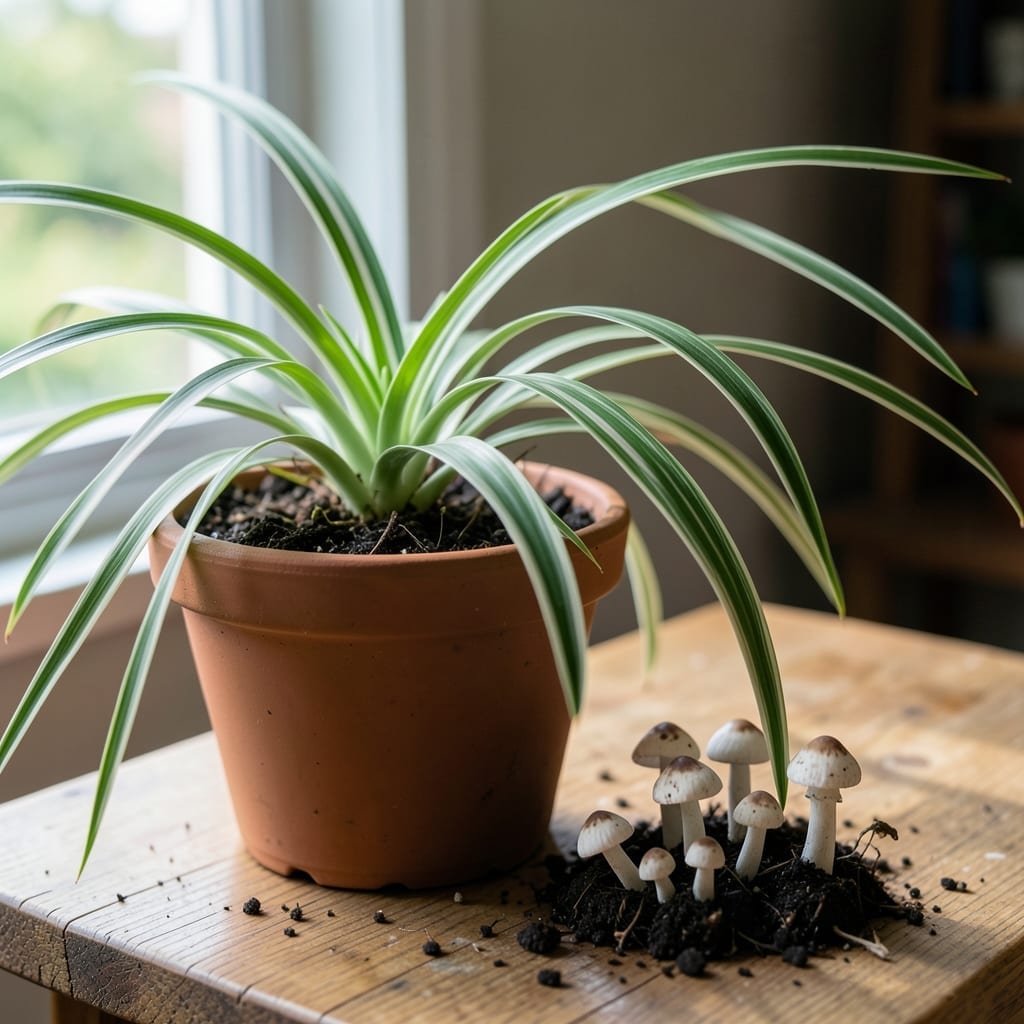
I spotted my first mushroom in a houseplant pot last spring. Didn’t panic—just wondered why it chose my fern over the forest floor. Turns out, they’re just nature’s recyclers doing their job.
These fungi appear when conditions are perfect: moisture, organic matter, and a little darkness. They’re not harmful to your plants, but they can signal you’re overwatering or using soil that’s too rich in compost.
Removal is simple: pluck them out, reduce watering, and let the soil dry between drinks. For stubborn cases, repot with fresh, well-draining mix.
Prevention is easier than you think. Just adjust your care routine and you’ll keep both your plants and your peace of mind mushroom-free.
Mushrooms sprouting in your plant soil are a sign of underlying conditions that fungi find ideal. Here’s why it happens:
Overwatering or poor drainage creates a damp environment, which is a primary trigger for fungal growth. Mushrooms thrive in consistently moist soil, as it supports spore germination and mycelial expansion. Actionable fix: Adjust watering schedules and ensure pots have drainage holes.
Soil rich in decomposing organic material (e.g., compost, leaf litter) provides nutrients that fungi feed on. As microbes break down plant debris, they release compounds that encourage mushroom development. Tip: Use well-aged compost to reduce active decomposition in the soil.
Fungi proliferate in temperatures between 70–90°F (21–32°C) with high humidity. Greenhouses or indoor plants in poorly ventilated spaces are especially prone. Solution: Improve airflow with fans or relocate plants to drier areas.
Mushroom spores can hitchhike via unsterilized soil, reused pots, or dirty gardening tools. Even store-bought potting mix may contain dormant spores. Preventive step: Sterilize soil by baking it at 200°F (93°C) for 30 minutes or use a commercial sterilizing agent.
In outdoor gardens, mushrooms are part of the natural soil microbiome, aiding decomposition. They often appear after rain or when organic mulch (e.g., wood chips) is present.
Mushrooms in your plant soil can be bothersome, but they’re usually harmless to your plants. Here’s how to address the most common causes and prevent them from returning.
If overwatering is the culprit, let the soil dry out between waterings. Repot the plant in fresh, well-draining soil and ensure the pot has drainage holes. For existing pots, add a layer of perlite or sand to the soil mix to improve airflow. Prevention tip: 💡 Use a moisture meter to avoid overwatering—your plants (and soil) will thank you!
Remove any decaying leaves, wood chips, or old mulch from the soil surface. These materials feed fungal growth. Replace the top layer of soil with fresh, sterile potting mix to eliminate spores. Prevention tip: ✨ Keep the area around your plants clean and free of organic buildup.
Move your plant to a spot with better airflow, like near an open window or a fan (on low). If the mushrooms are in a garden bed, thin out dense plantings to allow air to circulate. Prevention tip: 🌬️ Space out potted plants to avoid creating a humid microclimate.
If the soil is heavily infested, it’s best to replace it entirely. For mild cases, a natural fungicide like neem oil or hydrogen peroxide (diluted in water) can help kill spores. Spray the soil lightly and repeat every few days until the mushrooms disappear. Prevention tip: 🎯 Always use sterile potting soil for indoor plants.
In most cases, mushrooms won’t harm your plants, but addressing the root cause will keep your soil—and your plants—healthy and thriving!
Most soil mushrooms are harmless to plants and non-toxic, but some wild varieties can be poisonous if ingested. Keep pets and children away, and remove them promptly to be safe.
Persistent mushrooms signal excess moisture or organic matter. Reduce watering, improve drainage, and remove decaying material from the soil surface to break the cycle.
While they won’t harm your plants, they can indicate overwatering or poor soil conditions. Removing them and addressing the root cause will improve your plant’s long-term health.
Use sterile potting mix, avoid overwatering, and add a thin layer of sand or gravel on top of the soil to discourage spore growth.