
Beautiful Plants For Your Interior
Beautiful Plants For Your Interior
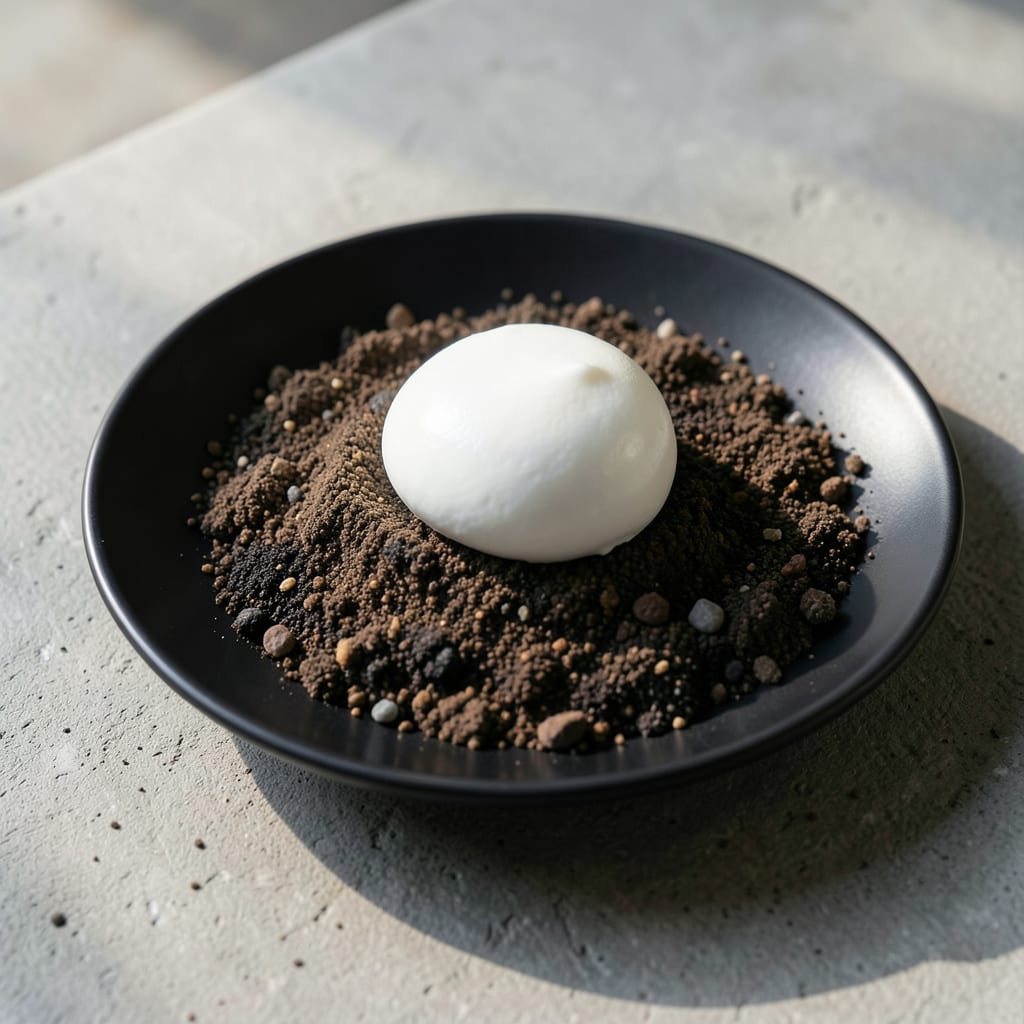
White patches on soil stopped me cold last spring. Turns out it’s usually mold or mineral buildup—both fixable without chemicals.
I first noticed it in my seedling trays after overwatering. The white stuff spreads fast in damp, still conditions. Most times it’s harmless saprophytic fungi breaking down organic matter, but it can compete with young plants.
Simple fixes work: let soil dry between waterings, improve airflow, or sprinkle cinnamon. These methods clear it up in 3-5 days without hurting your garden.
Prevention is easier than cure. Use sterile potting mix, avoid overcrowding, and water at the base. Your plants stay healthy, your soil stays clean.
White growth on soil is usually a sign of fungal activity, often harmless but sometimes problematic. Below are the most common causes, explained scientifically.
Fungi thrive in damp environments. Overwatering or poor soil drainage creates ideal conditions for Saprophytic fungi, like mold or mycelium, which break down organic matter. When soil stays soggy, spores germinate and form visible white colonies.
Soil rich in uncomposed organic material (e.g., fresh mulch, leaf litter, or manure) feeds fungal growth. As microorganisms decompose these materials, white fungal threads (hyphae) often appear on the surface.
Fungi proliferate in temperatures between 70–90°F (21–32°C) with high humidity. Greenhouses or poorly ventilated areas trap moisture, accelerating spore spread. This is why white growth often appears in terrariums or overwatered houseplants.
Acidic soils (pH < 6.0) favor certain fungi, including Trichoderma or Fusarium species. If your soil lacks lime or has excessive peat moss, it may promote white fungal blooms.
Actionable Tip: Test soil moisture with your finger—if it feels damp 1 inch down, hold off on watering. Improve drainage by adding perlite or sand.
White growth on soil is often a sign of fungal activity. Here’s how to address each common cause with simple, natural fixes.
If excess moisture is the culprit, let the soil dry out between waterings. Stick your finger an inch into the soil—if it feels damp, hold off on watering. Use pots with drainage holes and empty saucers after watering to prevent standing water. Prevention tip: Water only when the top inch of soil is dry. 💡
Stagnant air encourages fungal growth. Move potted plants to a breezy spot or use a small fan to promote airflow. For garden beds, thin out dense plantings to allow air to circulate. Prevention tip: Space plants properly to reduce humidity buildup. 🌬️
Decaying leaves or mulch can harbor fungi. Gently remove the white layer and any visible debris from the soil surface. Replace old mulch with fresh, well-draining material like bark or gravel. Prevention tip: Keep the soil surface clean and free of rotting matter. ✨
Too much organic matter (like compost) can feed fungal growth. Mix in perlite or sand to improve drainage and reduce richness. For potted plants, repot with a balanced, sterile potting mix. Prevention tip: Use compost sparingly and ensure it’s fully decomposed. 🎯
Fungi thrive in dark, damp conditions. Move indoor plants to brighter spots or use grow lights. For outdoor gardens, trim nearby plants to allow more sunlight. Prevention tip: Rotate potted plants regularly for even light exposure. 🌞
Most white growth is harmless saprophytic fungi breaking down organic matter. However, heavy infestations can compete with plants for nutrients. Remove it if spreading rapidly or affecting young seedlings.
Water only when the top 1 inch of soil is dry. Improve drainage with perlite and ensure good airflow around plants. Sterilize potting mix before use.
Scrape off the white layer and let the soil dry out completely. Sprinkle cinnamon or baking soda for natural antifungal action. Most cases clear in 3-5 days.
Yes! Hard water or fertilizer buildup can leave white crusty deposits. Test by scratching it—if it flakes off like salt, it’s mineral-based. Flush soil with distilled water to remove.
