
Beautiful Plants For Your Interior
Beautiful Plants For Your Interior
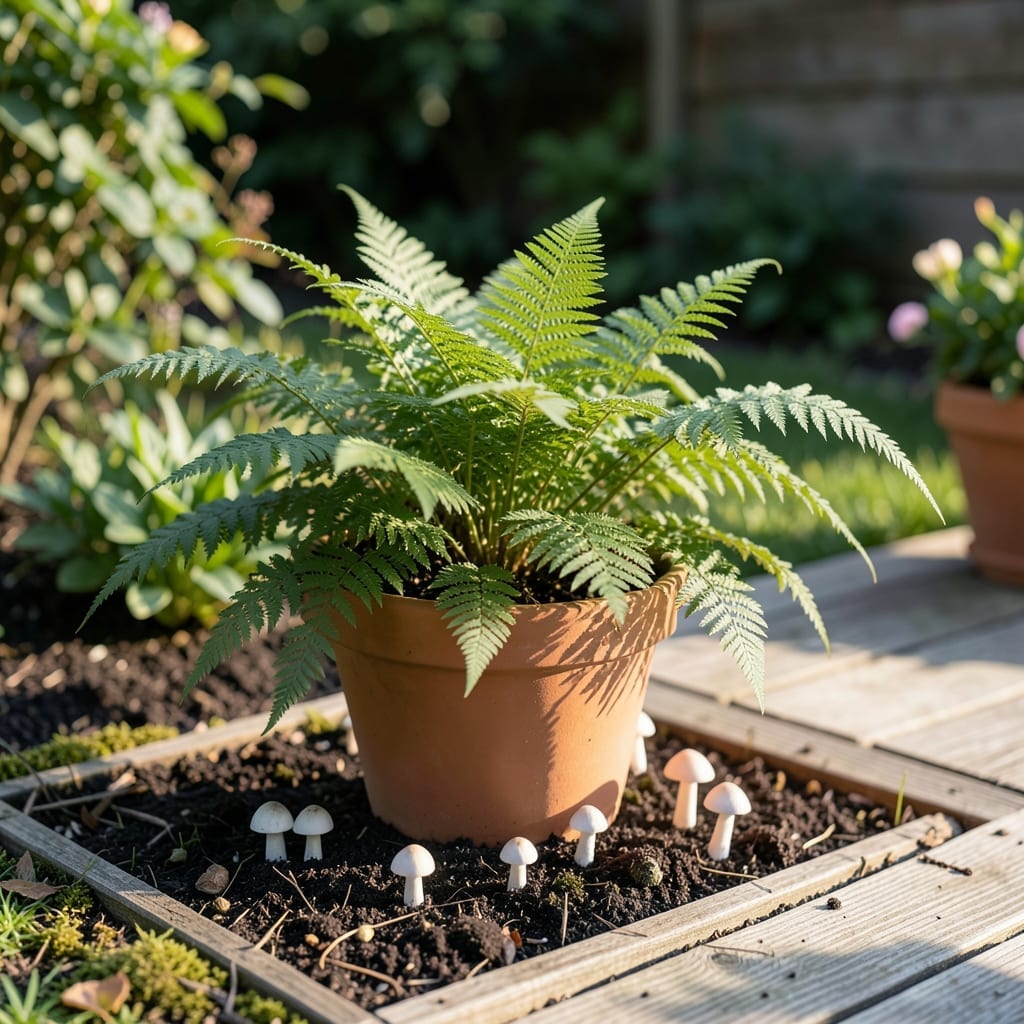
Those little mushrooms in your pots aren’t wrecking your garden. They’re nature’s cleanup crew, breaking down organic matter in your soil.
I spotted my first batch after a week of rain and panicked—turns out they appear when there’s excess moisture and decomposing material. Your plants are likely fine, but the mushrooms signal it’s time to adjust your care routine.
Most are harmless, but some can compete with your plants for nutrients. The good news? A few simple changes to your watering and soil mix can keep them from returning.
This is actually a sign of healthy soil biology at work. Let’s figure out what they’re telling you about your potting conditions.
Mushrooms popping up in your outdoor potted plants are often a sign of natural processes at work. Here’s a breakdown of the most common causes, explained scientifically yet practically:
Mushrooms thrive on decomposing organic material. If your potting mix contains uncomposted wood chips, bark, or leaf litter, fungi break these down, producing the mycelium that later sprouts mushrooms. This is a normal part of the ecosystem—fungi are nature’s recyclers!
Overwatering or poor drainage creates a damp environment ideal for fungal growth. Potted plants with soggy soil or compacted roots trap moisture, giving mushrooms the perfect breeding ground. Ensure your pots have drainage holes and use well-draining soil to prevent this.
Fungal spores are everywhere—air, water, and even commercial potting mixes can carry them. If conditions (moisture, organic matter, shade) are right, these dormant spores germinate and grow into visible mushrooms. Sterilizing soil before use can reduce this risk.
If your pots are near mulch, compost piles, or decaying wood, spores can easily spread via wind or water. Even healthy garden soil may harbor fungi that hitch a ride into your containers. Keeping pots elevated and away from dense organic debris helps minimize contamination.
Mushrooms in your outdoor potted plants are usually harmless, but if you’d rather keep your pots fungi-free, here’s how to tackle the most common causes:
Mushrooms thrive in damp conditions. Let the soil dry out between waterings, and ensure your pots have drainage holes. If the soil stays soggy, repot your plant with fresh, well-draining mix. Prevention tip: 💡 Use a moisture meter to avoid overwatering.
Old leaves, wood chips, or buried debris feed fungi. Gently dig out visible mushrooms and any decomposing material. Replace the top inch of soil with fresh potting mix to starve future growth. Prevention tip: ✨ Keep pots clean and free of fallen plant debris.
If mushrooms keep returning, the soil may be packed with spores. Swap it out for a sterile potting mix. For mild cases, a 1:10 hydrogen peroxide-to-water mix can help kill spores—water the soil with it once, then let it dry. Prevention tip: 🎯 Use high-quality, sterile soil for new plantings.
Shady, humid spots encourage fungi. Move pots to a sunnier area with better airflow. If that’s not possible, thin out dense foliage to reduce moisture buildup. Prevention tip: 🌡️ Space plants apart to improve ventilation.
In most cases, mushrooms won’t harm your plants, but these steps will help you regain control—and keep your pots looking their best!
Most mushrooms are harmless and actually indicate healthy soil. However, they may compete with your plants for nutrients. If they spread rapidly, it’s best to remove them.
Reduce watering, improve drainage, and remove decaying matter. Use sterile potting mix and keep pots in sunny, well-ventilated areas to discourage growth.
Yes, pluck them as soon as you see them to prevent spore spread. Wear gloves and dispose of them in a sealed bag, not your compost pile.
It’s rarely necessary. Focus on improving conditions instead. If you do use fungicide, choose an organic option and follow label instructions carefully.