
Beautiful Plants For Your Interior
Beautiful Plants For Your Interior
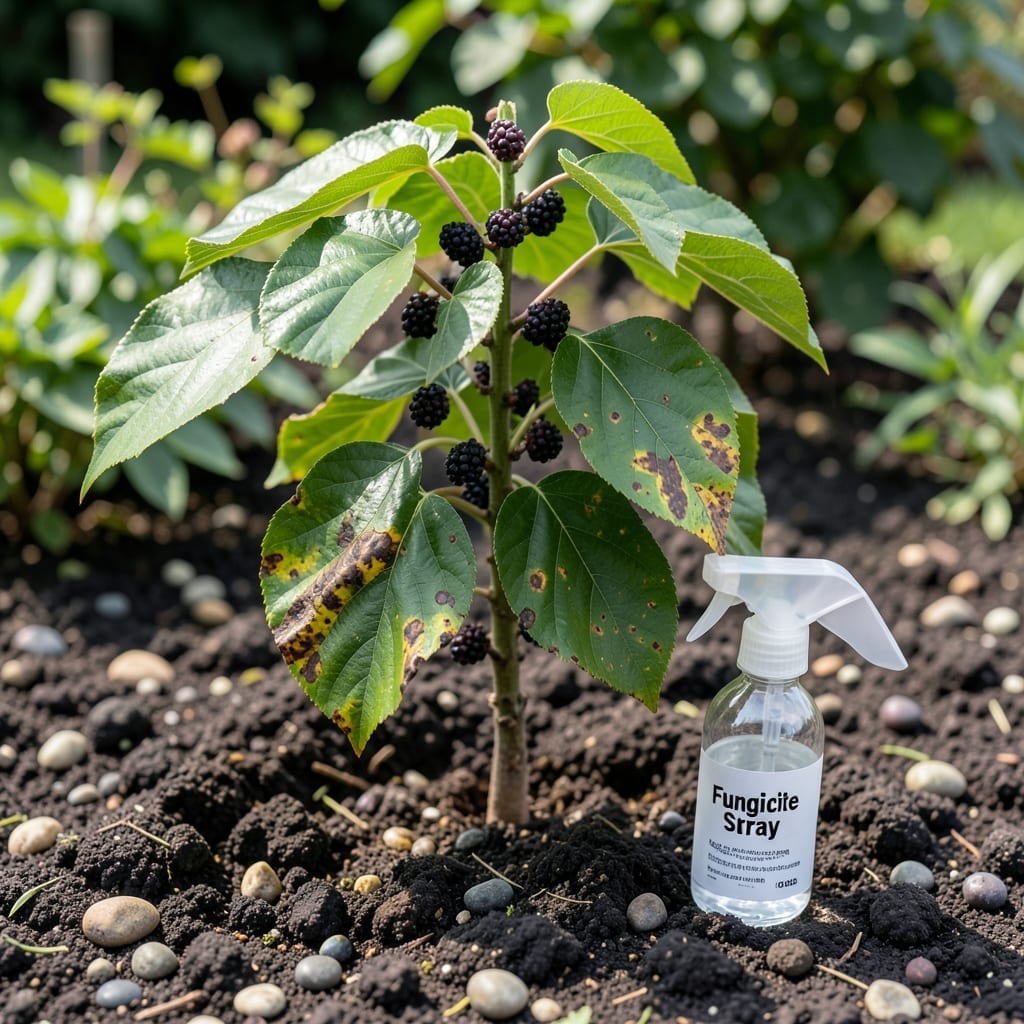
Nothing’s more frustrating than watching your mulberry tree struggle with mysterious spots or wilting leaves. I’ve lost count of how many times I’ve misdiagnosed issues in my own garden, but early detection changes everything.
Most problems show up as discolored leaves, unusual growths, or premature leaf drop. The key is catching these signs before they spread. A little observation now saves you a whole season of headache later.
With the right approach, you can treat most diseases and even prevent future outbreaks. Simple adjustments in care, watering, or pruning often make all the difference.
This guide helps you identify what’s wrong and fix it fast. Your mulberry can bounce back stronger than ever.
Understanding the root causes of mulberry plant diseases helps you prevent and manage them effectively. Here’s why these issues arise:
Mulberry plants thrive in specific conditions, and deviations can weaken them. Drought, waterlogging, or extreme temperatures stress the plant, reducing its natural defenses. Poor soil drainage or compacted soil can also suffocate roots, making them vulnerable to fungal infections like Phytophthora root rot. Action: Ensure well-draining soil and consistent watering without over-saturating.
Many mulberry diseases stem from pathogenic fungi and bacteria. For example, Cercospora leaf spot thrives in warm, humid environments, while Pseudomonas syringae bacteria cause bacterial blight in wet, cool conditions. These pathogens often spread through contaminated tools, water splash, or infected plant debris. Action: Remove and destroy infected leaves, sterilize pruning tools, and improve air circulation around the plant.
Pests like whiteflies, aphids, and scale insects damage mulberry plants by sucking sap, which weakens the plant and creates entry points for diseases. Some pests also transmit viruses, such as mulberry dwarf virus. Action: Monitor plants regularly, use insecticidal soap or neem oil, and introduce beneficial insects like ladybugs.
Not all mulberry varieties are equally resistant to diseases. Some cultivars lack genetic defenses against common pathogens, making them more susceptible to infections. Action: Choose disease-resistant varieties like Morus alba ‘Illinois Everbearing’ when planting.
Tackling mulberry plant diseases early keeps your tree healthy and productive. Below are targeted solutions for common issues, paired with prevention tips to stop problems before they start.
Spray affected leaves with neem oil or a baking soda solution (1 tbsp baking soda + 1 tsp dish soap + 1 gallon water). Remove heavily infected leaves and dispose of them away from the plant.
Prevent it: Improve air circulation by pruning dense branches. Water at the base to keep leaves dry. 💡 Pro tip: Apply sulfur-based fungicides in early spring as a preventive measure.
Prune and destroy infected branches immediately to prevent spread. Use copper fungicide sprays during the growing season, following label instructions.
Prevent it: Sterilize pruning tools with rubbing alcohol between cuts. Avoid overhead watering, and plant disease-resistant mulberry varieties if available.
Blast mites off leaves with a strong stream of water. For severe infestations, apply insecticidal soap or horticultural oil every 7–10 days until gone.
Prevent it: Keep the plant well-watered, as mites thrive in dry conditions. Introduce beneficial insects like ladybugs to your garden. ✨ Regularly inspect the undersides of leaves for early signs.
If caught early, stop watering and let the soil dry out. For advanced cases, remove the plant, trim rotted roots, and repot in fresh, well-draining soil. Use a fungicide drench (e.g., copper-based) to treat the remaining roots.
Prevent it: Ensure proper drainage by amending soil with compost or sand. Avoid overwatering—mulberry plants prefer moist but not soggy soil.
Watch for yellowing leaves, white powdery spots, or dark lesions on foliage. Early symptoms often include leaf curl or premature drop. Check undersides of leaves weekly for hidden issues.
Improve air circulation by spacing plants 6-8 feet apart. Water at the base in the morning to allow foliage to dry. Apply copper fungicide preventatively in humid seasons.
Most leaf diseases don’t affect fruit safety, but wash berries thoroughly. Avoid eating fruit from plants with bacterial blight or severe mildew. When in doubt, discard affected harvests.
Yes, many mulberry pathogens can infect other fruit trees. Remove fallen leaves and debris immediately. Sterilize tools between plants to prevent cross-contamination.