
Beautiful Plants For Your Interior
Beautiful Plants For Your Interior
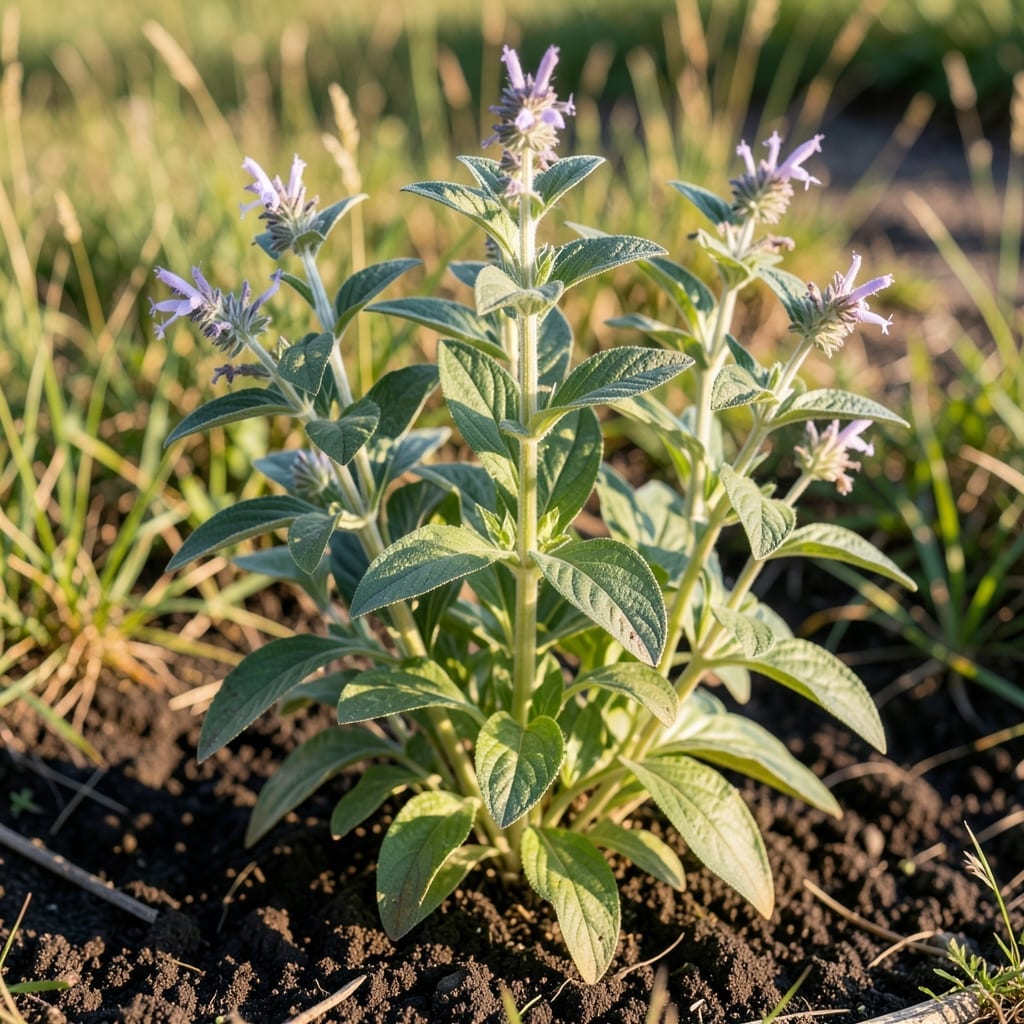
That first brush with Monarda citriodora leaves releases a citrus punch you won’t forget. I grow this plant as much for the scent as for the pollinator magnet it becomes in summer.
It thrives in full sun with well-drained soil and asks for little more than occasional water. The leaves work beautifully in teas or as a garnish, and the plants keep coming back year after year.
📚 In This Guide
Here’s the method I swear by to cultivate vibrant, lemon-scented foliage with minimal fuss.
Monarda citriodora thrives in full sun but tolerates partial shade, especially in hotter climates. I always pick a spot that gets at least 6-8 hours of sunlight daily. The soil should be well-draining—if your garden holds water after rain, mix in compost or sand to improve drainage.
You’ll know the location is right when the soil feels loose and crumbly in your hands. Avoid low-lying areas where water pools, as this can rot the roots. If you’re planting in containers, ensure pots have drainage holes to prevent soggy soil.
Sow seeds directly in the garden after the last frost when soil temperatures reach 60-70°F. Press seeds lightly into the soil, covering them with a thin layer of ¼ inch of fine soil. Space seeds 12-18 inches apart to give plants room to spread.
If using transplants, dig a hole twice the width of the root ball and place the plant so the top of the roots sits level with the soil surface. Water gently but thoroughly after planting. I’ve found that mulching around the base helps retain moisture without suffocating the roots.
Water newly planted seeds or transplants deeply, keeping the soil evenly moist but not waterlogged. Once established, monarda citriodora is drought-tolerant, but you’ll get the best leaf production with 1 inch of water per week. I check soil moisture by sticking my finger 1 inch deep—if it feels dry, it’s time to water.
Deadhead spent flowers to encourage bushier growth and more foliage. This also prevents self-seeding if you want to control its spread. A light application of balanced fertilizer in early summer can boost growth, but I’ve found this plant does well without much extra feeding.
The leaves are most fragrant just before the plant flowers. I harvest in the morning after the dew has dried, snipping stems just above a set of leaves to encourage new growth. For drying, bundle stems and hang them upside down in a dark, well-ventilated space.
Fresh leaves can be used immediately, but dried leaves pack a stronger lemony punch. Store dried leaves in an airtight container away from light. If leaves start to brown or lose scent, it’s a sign they’ve been stored too long or exposed to moisture.
In colder climates, monarda citriodora dies back to the ground in winter but often self-seeds. Cut back dead stems in late fall or early spring to tidy the garden. If you want to encourage regrowth, leave some seed heads to drop naturally.
Divide clumps every 3-4 years in early spring to rejuvenate the plants and prevent overcrowding. This keeps the foliage lush and the plants healthy. I’ve noticed divided plants often produce even more aromatic leaves the following season.
Small adjustments in sunlight and soil make a surprising difference in leaf quality.
Sunlight Strategy: That 6-8 hours of daily sunlight in Step 1 isn’t just a suggestion—it’s the sweet spot for maximum lemon oil production in the leaves. I’ve noticed plants in full sun develop far more aromatic foliage than those in shade. Confession: I skipped this for years and wondered why my leaves tasted bland.
Planting Depth: When sowing seeds in Step 2, that ¼ inch covering is critical. Plant too deep and they’ll struggle to emerge; too shallow and they’ll dry out. Press them lightly into the soil as directed, then barely cover them—I use the flat side of a ruler to get it just right.
Watering Wisdom: The 1 inch per week guideline in Step 3 works perfectly once established, but here’s what nobody tells you—new plants need moisture checked at that 1 inch soil depth daily until roots develop. Stick your finger in the soil: if it’s dry at your first knuckle, water deeply.
Harvest Timing: Step 4 mentions harvesting before flowering, and I can’t emphasize this enough. The lemon scent peaks just as flower buds form but before they open. Harvest in the morning as the instructions say—the oils are most concentrated then after the dew dries.
Yes! The lemon-scented leaves make a refreshing herbal tea. Steep 1-2 fresh or dried leaves in hot water for 5-10 minutes. Avoid excessive consumption if pregnant or on medication.
Harvest leaves in the morning after the dew dries for peak flavor. Prune regularly to encourage bushier growth and more foliage.
Watch for spider mites, aphids, or powdery mildew. Treat with neem oil or insecticidal soap, and ensure good airflow to prevent fungal issues.
Lemon balm, lemon verbena, or bee balm (other Monarda varieties) offer similar citrusy flavors for teas or culinary uses.
Overwatering, poor drainage, or nutrient deficiencies may cause yellowing. Check soil moisture and amend with compost if needed.