
Beautiful Plants For Your Interior
Beautiful Plants For Your Interior
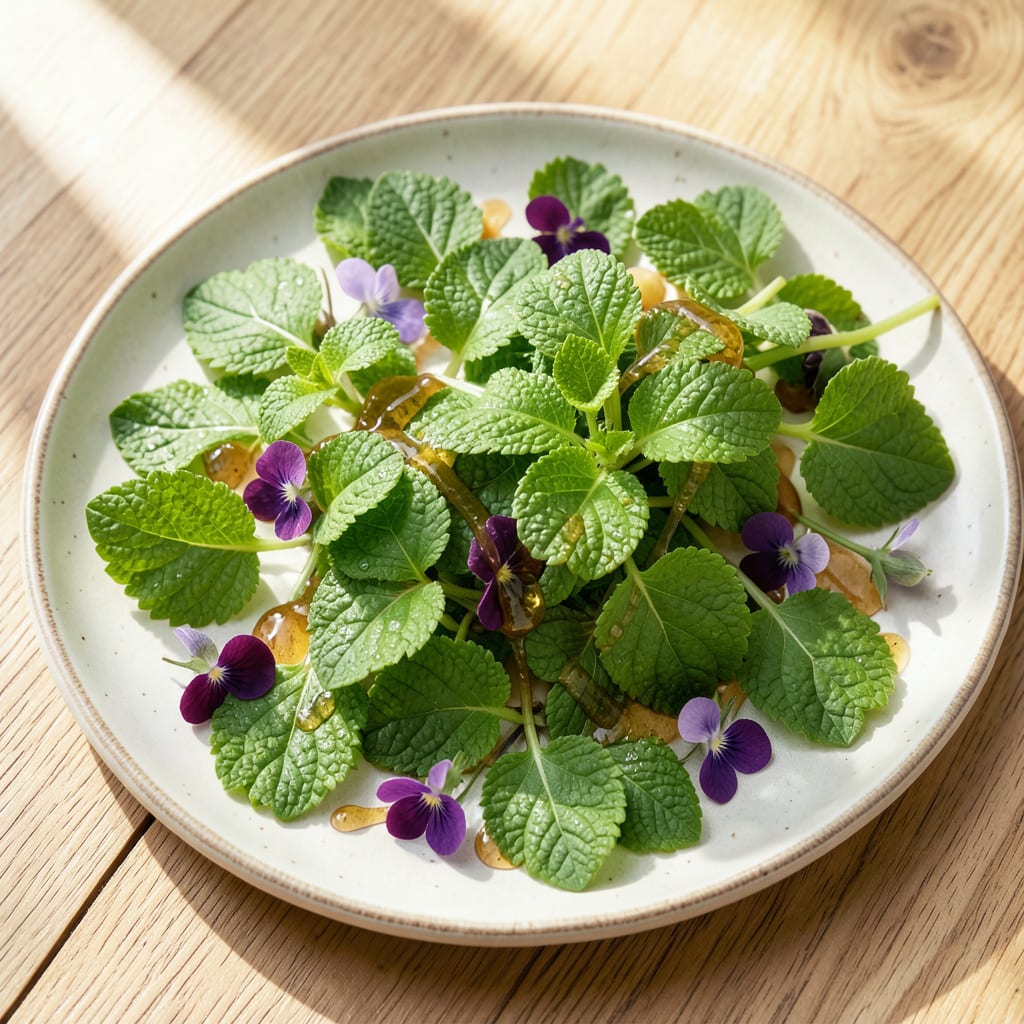
That first whiff of lemon balm in the garden stops me every time. Bright citrus scent from a plant that grows like a weed—if you let it.
I started with one small clump and now have more than enough for tea, garnishes, and sharing with neighbors. It thrives in sun or partial shade, asks for little care, and rewards you with abundant leaves all season long.
📚 In This Guide
This foolproof method ensures a thriving lemon balm plant ready for harvest in your garden.
Select a spot with partial shade to full sun—lemon balm tolerates both but prefers morning sun and afternoon shade in hotter climates. The soil should be well-draining with a slightly acidic to neutral pH. I always test my soil first; if it’s too dense, I amend it with compost to improve drainage and fertility.
Loosen the soil to a depth of 12-15 inches and remove any weeds or debris. This plant spreads aggressively, so give it space to grow. If you’re planting in containers, choose pots at least 12 inches deep with drainage holes to prevent root rot.
If starting from seeds, sow them ¼ inch deep in rows spaced 18 inches apart. Seeds germinate best at 65-70°F and typically sprout within 10-14 days. Keep the soil consistently moist but not waterlogged—you’ll know it’s right when the surface feels like a wrung-out sponge.
For transplants, dig a hole slightly larger than the root ball and place the plant at the same depth it was growing in its container. Space plants 18-24 inches apart to allow for their bushy growth habit. Water thoroughly after planting to settle the soil around the roots.
Water your lemon balm regularly, aiming to keep the soil evenly moist. Once established, it’s fairly drought-tolerant, but I’ve found that consistent moisture leads to the most flavorful leaves. Water at the base of the plant to avoid wetting the foliage, which can lead to fungal issues.
Apply a 2-3 inch layer of organic mulch around the plants to retain moisture and suppress weeds. Straw or shredded bark works well. The mulch also keeps the soil cooler, which lemon balm appreciates during hot summer days.
Lemon balm grows best with 4-6 hours of sunlight daily. If your plants are in too much shade, they’ll grow leggy and produce fewer leaves. In extreme heat, afternoon shade helps prevent leaf scorch. I’ve seen my plants thrive with morning sun and dappled afternoon shade.
Fertilize lightly with a balanced, water-soluble fertilizer every 4-6 weeks during the growing season. Avoid over-fertilizing, as this can reduce the plant’s aromatic qualities. You’ll notice the leaves lose some of their citrusy fragrance if the plant is growing too rapidly.
Begin harvesting leaves once the plant reaches 6-8 inches tall. Snip individual leaves or cut stems back by one-third to encourage bushier growth. Regular pruning prevents the plant from becoming leggy and promotes a steady supply of fresh leaves.
Harvest in the morning after the dew has dried for the best flavor. If you’re growing lemon balm for tea, pick the younger, more tender leaves. The plant will continue producing new growth throughout the season if pruned regularly—just don’t remove more than one-third of the plant at any one time.
These practical insights will help you grow healthy, flavorful lemon balm with minimal fuss.
Soil Preparation: Loosen the soil to the specified 12-15 inches depth in Step 1—this gives roots room to establish properly. If your soil is heavy clay, mix in extra compost to match the well-draining requirement. I learned the hard way that shallow preparation leads to stunted growth.
Seed Germination: For the 10-14 day sprouting window in Step 2, maintain that 65-70°F soil temperature consistently. A heating mat can help if your area runs cool. Keep the soil moist like a wrung-out sponge; too much water causes rot, too little delays germination.
Light Management: The 4-6 hours of daily sunlight is ideal, but watch for leaf scorch in extreme heat. If your afternoons get intense, move potted plants to shade or use shade cloth. Morning sun with afternoon protection gives the best flavor without stress.
Pruning Technique: When harvesting at 6-8 inches tall in Step 5, always cut just above a leaf node. This encourages bushier regrowth. Never remove more than one-third at once, as this can shock the plant and reduce future yields.
Yes! Lemon balm thrives indoors with bright, indirect light and well-draining soil. Keep the soil moist but not soggy, and place it near a sunny window for best results.
Water lemon balm when the top inch of soil feels dry, typically every 1-2 weeks. Avoid overwatering, as it can lead to root rot. Consistent moisture is key for healthy growth.
If you’re out of lemon balm, try mint, chamomile, or lemongrass for a similar citrusy or soothing flavor. Each offers unique benefits and complements many tea blends.
Yellow leaves often indicate overwatering or poor drainage. Check the soil moisture and ensure the pot has drainage holes. Adjust watering habits to let the soil dry slightly between waterings.
