
Beautiful Plants For Your Interior
Beautiful Plants For Your Interior
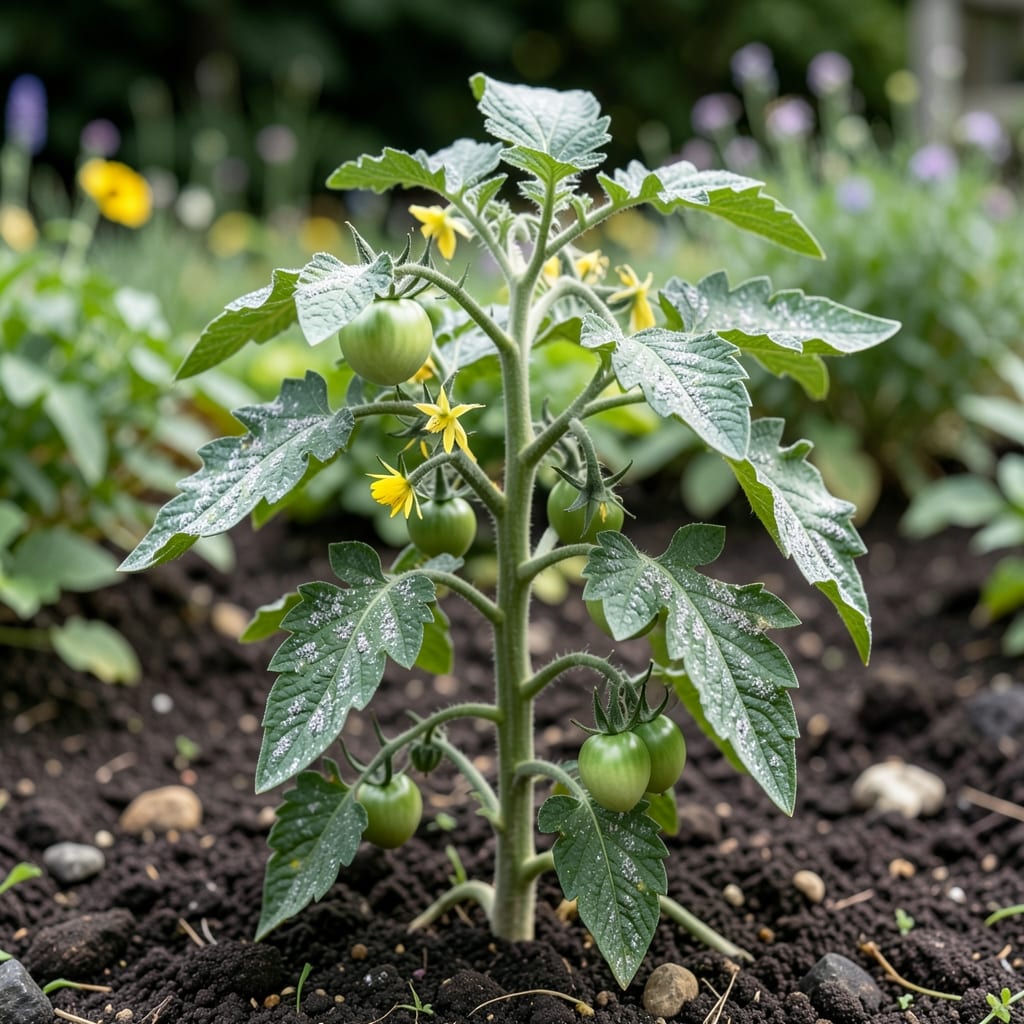
Spotted white or gray fuzz on your plants? That’s mold, and it spreads fast if ignored. I learned the hard way that early action saves entire crops.
This guide helps you spot the first signs, stop the spread, and bring plants back to health with simple, natural fixes. No fancy equipment needed—just close observation and quick response.
📚 In This Guide
Here’s the method I’ve used to catch and treat leaf mold before it spreads through my garden.
Start by examining the undersides of leaves first—that’s where mold often begins. Look for white, gray, or black fuzzy growth that resembles dust or fine webbing. I use a hand lens for confirmation because early mold can be subtle, appearing as nothing more than a slight discoloration.
Check the most susceptible plants first: those in crowded spaces, under dense canopies, or in areas with poor air circulation. You’ll often spot yellowing or browning patches on upper leaf surfaces directly above the mold growth below. Morning inspections work best when dew is still present and makes the spores more visible.
As soon as you confirm mold, move the affected plant away from others to prevent spore spread. If it’s in the ground, remove and destroy the most heavily infested leaves first. I keep a dedicated pair of pruners in a 10% bleach solution between cuts to avoid contaminating healthy tissue.
Don’t compost moldy plant material—this only spreads the problem. Double-bag it and discard with household trash. For container plants, move the entire pot to a separate area where air circulation is better. This simple step often stops the spread in its tracks.
Mold thrives in still, humid air. Thin out dense foliage by removing 1/3 of the inner growth to open up the plant’s center. I’ve found that even this modest pruning dramatically improves airflow. Space container plants so their leaves don’t touch each other.
If plants are under a canopy or eaves, move them to receive at least 6 hours of direct sunlight daily. Sunlight not only dries leaves faster but also creates an inhospitable environment for mold spores. For indoor plants, a small fan set on low for 2-3 hours daily works wonders.
For mild cases, a baking soda solution works effectively. Mix 1 teaspoon baking soda with 1 quart of water and add a drop of dish soap to help it cling. Spray this on affected leaves weekly until the mold disappears. I’ve treated dozens of plants this way with excellent results.
For more stubborn cases, neem oil is my go-to treatment. Mix 2 tablespoons neem oil with 1 gallon of water and spray thoroughly, coating both leaf surfaces. Apply in the evening to avoid burning leaves in the sun, and repeat every 7-10 days until the problem resolves.
Overhead watering is a primary culprit for leaf mold. Switch to watering at the base of plants using a soaker hose or drip irrigation. If you must water from above, do it early in the day so leaves have time to dry before evening.
Check your watering schedule—most plants need water only when the top inch of soil feels dry. I’ve seen mold disappear completely just from reducing watering frequency. Also, remove any mulch that’s touching plant stems, as this can trap moisture against the leaves.
After years of battling leaf mold in my garden, I’ve learned these key insights the hard way.
Early Detection Strategy: In Step 1, focus on morning inspections when dew makes spores more visible. I’ve found that examining undersides with a hand lens catches mold days before it becomes obvious. The white, gray, or black fuzzy growth often starts as subtle discoloration that’s easy to miss without magnification.
Isolation Technique: During Step 2, the 10% bleach solution for your pruners isn’t optional—it’s what prevents cross-contamination. I learned this after accidentally spreading mold to healthy plants. Also, that double-bagging of infected material really does stop the spread; don’t be tempted to compost it.
Air Circulation Hack: For Step 3, that 1/3 pruning of inner growth makes a surprising difference. I was skeptical at first, but even this modest thinning dramatically reduces humidity in the plant’s center. And for indoor plants, the 2-3 hours of fan time daily works best in the morning when humidity is highest.
Treatment Timing: In Step 4, applying neem oil in the evening is crucial—it prevents leaf burn from the sun. I also recommend starting with the baking soda solution for at least a week before escalating to neem oil. The weekly applications often resolve mild cases before you need stronger treatments.
Mold often appears as fuzzy or powdery white, gray, or black growth, while other issues like pests or nutrient deficiencies may cause discoloration without the fuzzy texture. Use a magnifying glass to check for spores!
Remove heavily infested leaves immediately to prevent spread. If the plant is mostly healthy, treat it with fungicides or natural remedies like neem oil. Discard severely affected plants to protect others.
Neem oil, baking soda solution (1 tsp baking soda + 1 quart water + a drop of soap), or a milk-water spray (1:9 ratio) can effectively combat mold. Apply weekly until the issue resolves.
Check your plants weekly, especially during humid weather or if they’re in poorly ventilated areas. Early detection makes treatment easier and more effective.
Yes! Mold spores are airborne and can quickly spread to nearby plants. Isolate affected plants and improve airflow to reduce the risk of contamination.