
Beautiful Plants For Your Interior
Beautiful Plants For Your Interior
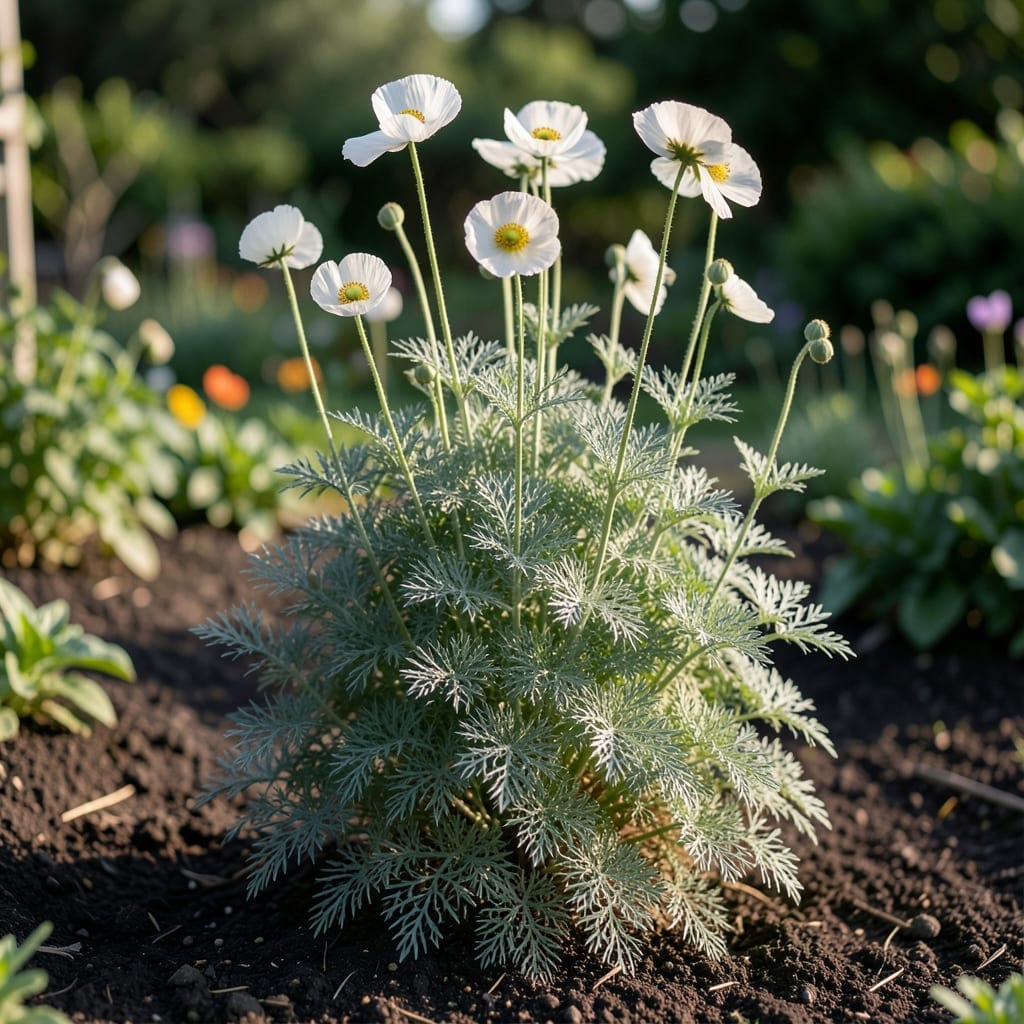
This California native stopped me in my tracks the first time I saw it blooming. The snow-white, tissue-paper flowers float above the foliage like little clouds, and they keep coming from early summer through fall.
It thrives in poor soil and drought once established, but give it full sun and good drainage for those stunning summer blooms. The secret is patience—it hates being moved, so pick your spot carefully.
📚 In This Guide
Here’s how I’ve successfully cultivated these elegant perennials for years of breathtaking summer displays.
Select a spot with full sun to partial shade, though these plants thrive best with at least 6 hours of direct sunlight daily. Romneya prefers well-draining soil, so avoid low-lying areas where water might pool. I always test drainage by digging a 1-foot hole, filling it with water, and checking if it drains within 2 hours.
Slightly sloped sites work wonderfully. If your soil is heavy clay, consider planting on a small mound or in raised beds to prevent root rot. The location should also have some shelter from strong winds, as the tall stems can be top-heavy when in bloom.
Amend the planting area with plenty of organic matter. I mix in 2-3 inches of compost or well-rotted manure to improve both drainage and fertility. Romneya tolerates poor soils but performs best in moderately rich conditions. Avoid heavy fertilization, which can lead to excessive leafy growth at the expense of flowers.
Loosen the soil to a depth of at least 18 inches, removing any large rocks or debris. This gives the deep root system room to establish. The ideal soil pH is between 6.0 and 7.5, but these plants are adaptable if other conditions are right.
Dig a hole twice as wide as the root ball but no deeper. Place the plant so the crown sits slightly above soil level to prevent rot. For container-grown plants, gently tease out any circling roots before planting. I always water the root ball thoroughly before placing it in the hole to reduce transplant shock.
Space plants 3-4 feet apart to allow for their mature spread. Romneya forms spreading clumps over time, so giving them room prevents overcrowding. Backfill with native soil, pressing gently to remove air pockets, then water deeply to settle the soil around the roots.
Water newly planted Romneya deeply 2-3 times per week for the first month, then gradually reduce frequency. Once established, these plants are surprisingly drought-tolerant. I water my mature plants deeply once every 10-14 days during dry spells, always checking that the top 2-3 inches of soil are dry before watering again.
Use a soaker hose or drip irrigation to keep foliage dry, which helps prevent fungal diseases. Morning watering is ideal, giving the plant time to dry before evening. Overwatering is a common mistake—these plants prefer slightly dry conditions to soggy soil.
Prune Romneya in late winter or early spring before new growth starts. Cut back all stems to 6-12 inches from the ground to encourage vigorous new growth. I use clean, sharp pruners and make cuts just above a leaf node or bud. This rejuvenation pruning keeps the plant compact and promotes more abundant flowering.
Deadhead spent blooms throughout the summer to encourage continuous flowering. Simply snip off the faded flowers just below the flower head. Avoid heavy pruning during the growing season, as this can reduce the number of blooms. The plant will reward you with its iconic white, paper-like flowers from midsummer to early fall.
After years of trial and error, these are the details that consistently make a difference.
The Sunlight Factor: That 6 hours of direct sunlight mentioned in Step 1 isn’t just a suggestion—it’s critical for abundant blooms. I learned this the hard way when my first plant in a shady spot produced only a handful of sad little flowers. Even in hot climates, morning sun with afternoon shade works beautifully.
Drainage Test Trick: The 2-hour drainage test in Step 1 is your best insurance against root rot. If water sits longer than that, build a raised bed or plant on a slope. I’ve saved several plants by doing this simple test before putting them in the ground.
Pruning Precision: When cutting back to 6-12 inches in Step 5, make sure your cuts are just above a leaf node. This encourages new growth from the base rather than sparse stems. Clean pruners prevent disease, so wipe them with rubbing alcohol between cuts if you’re working with multiple plants.
Watering Wisdom: The 2-3 times per week schedule for new plants in Step 4 might seem like a lot, but remember we’re establishing deep roots. After that first month, resist the urge to water too frequently—overwatering is the most common mistake I see with these drought-tolerant plants.
Romneya White Cloud thrives in hot, dry climates. Ensure well-draining soil, water deeply but infrequently, and provide afternoon shade in extreme heat. Mulch helps retain moisture.
Plant in early spring or fall to allow roots to establish before extreme temperatures. Avoid planting in peak summer or winter to reduce stress on the plant.
Common issues include aphids, spider mites, and powdery mildew. Treat with neem oil or insecticidal soap, and ensure good airflow to prevent fungal diseases.
Yes, but choose a large container with drainage holes. Use a well-draining potting mix and water regularly, as containers dry out faster than garden soil.
Lack of blooms may be due to insufficient sunlight, poor soil drainage, or over-fertilizing. Ensure full sun, well-draining soil, and minimal fertilizer for best results.