
Beautiful Plants For Your Interior
Beautiful Plants For Your Interior
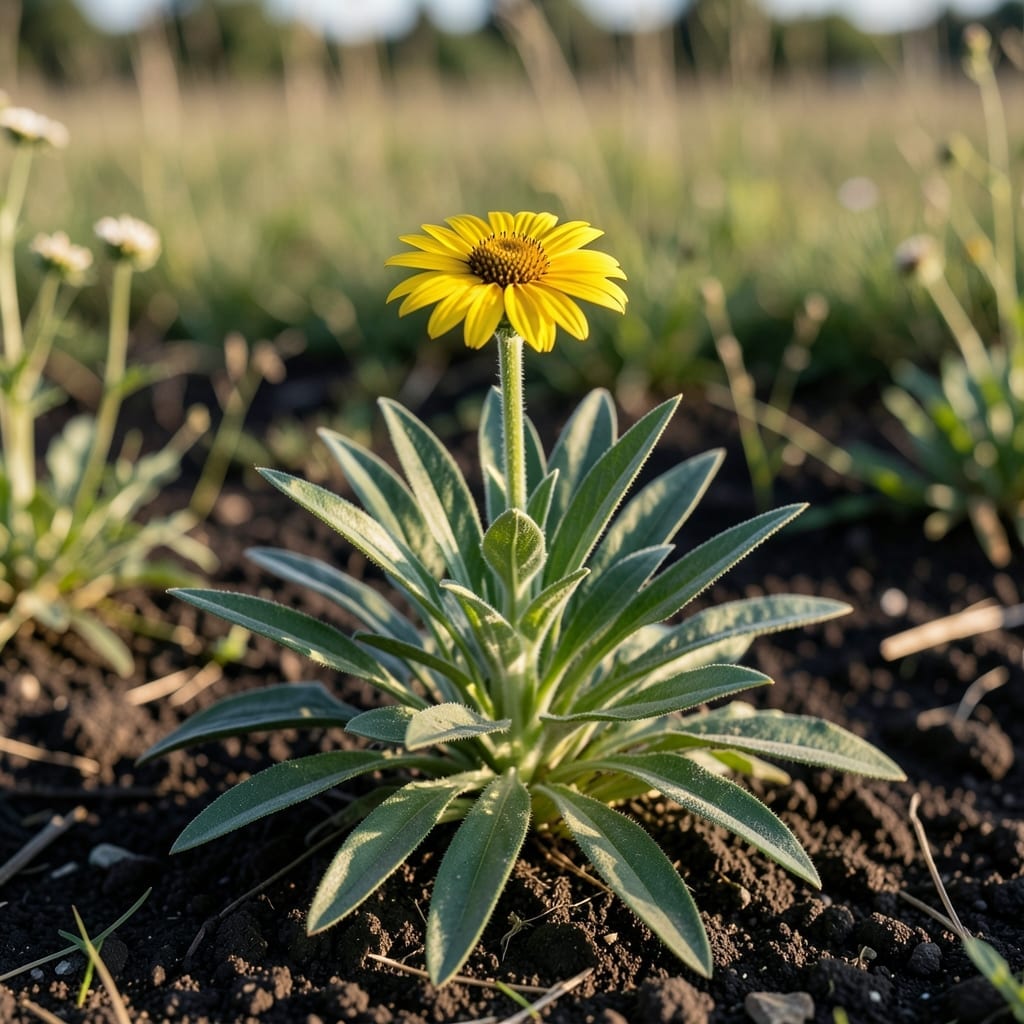
I noticed something odd with my plains coreopsis last summer. The leaves looked off—discolored and spotted, not the vibrant green I expected.
Turns out, these plants have specific needs and potential issues. I’ll walk you through identifying problems and keeping foliage healthy without the guesswork.
📚 In This Guide
Here’s the method I use to safely handle and identify plains coreopsis while avoiding any potential risks.
Begin by confirming you’re working with Coreopsis tinctoria, the true plains coreopsis. Look for its distinctive lance-shaped leaves that are 1-3 inches long with deeply lobed or pinnate divisions. The foliage should be a bright green with a slightly hairy texture.
I always double-check by examining the flowers—plains coreopsis produces yellow daisy-like blooms with dark red centers. Misidentification is the first safety risk, as some lookalikes may have different toxicity profiles.
While plains coreopsis isn’t highly toxic, some individuals may experience mild skin irritation. I recommend wearing long-sleeved shirts and gardening gloves when pruning or dividing plants. This is especially important if you have sensitive skin or known plant allergies.
For those with severe allergies, consider adding safety glasses to prevent accidental eye contact with sap. The irritation is rarely serious but can be uncomfortable for 24-48 hours if contact occurs.
When cutting back plains coreopsis, use clean, sharp bypass pruners. I make cuts at a 45-degree angle just above a leaf node to encourage healthy regrowth. Always prune in the morning when plants are most hydrated.
Avoid touching your face or eyes after handling the plant until you’ve washed your hands thoroughly. The compounds that can cause irritation are most concentrated in the sap, which is released when stems are cut.
After handling, watch for any signs of skin irritation like redness, itching, or a mild rash. These symptoms typically appear within 1-2 hours of contact. I’ve found that washing the affected area with cool water and mild soap usually resolves mild reactions quickly.
If you experience more severe symptoms like swelling or difficulty breathing, seek medical attention immediately. While rare with plains coreopsis, it’s always better to err on the side of caution with plant-related sensitivities.
If you’re gardening with children or pets, teach them to avoid putting any plant parts in their mouths. I explain to kids that while the flowers are beautiful, we only look at them—not taste them. For pets, consider placing coreopsis in areas they can’t access.
Keep a reference guide handy showing pictures of safe plants versus potentially harmful ones. This visual aid helps everyone in the household recognize what’s safe to touch and what to avoid.
These practical insights will help you handle plains coreopsis with confidence and avoid common pitfalls.
Identification Accuracy: In Step 1, pay close attention to the 1-3 inch long lance-shaped leaves with deeply lobed divisions. I’ve found that examining the underside of leaves reveals the characteristic hairy texture that confirms you’re working with Coreopsis tinctoria. The yellow blooms with dark red centers are your final verification.
Protective Measures: For Step 2, don’t underestimate the importance of full coverage. I learned the hard way that even brief contact with the sap can cause irritation that lasts the full 24-48 hours. Long sleeves tucked into gloves create a complete barrier against sap exposure during pruning.
Pruning Technique: The 45-degree angle cuts in Step 3 aren’t just for aesthetics—they prevent water pooling on the cut surface, which can lead to rot. Morning pruning is ideal because plants are most turgid then, making clean cuts easier and reducing stress on the coreopsis.
Reaction Monitoring: After handling, the 1-2 hour window in Step 4 is critical for catching any adverse reactions early. Keep cool water and mild soap readily available. I’ve noticed that reactions often start as slight itching before any visible redness appears, so trust your skin’s signals.
Plains coreopsis leaves contain mild toxins that may cause skin irritation or stomach upset if ingested. Keep pets and children away from the plant to prevent accidental exposure.
Wear gloves when pruning or handling the leaves to avoid skin irritation. Wash hands thoroughly afterward to prevent transferring any sap to your eyes or mouth.
Symptoms may include skin rashes, nausea, vomiting, or diarrhea. If ingested in large quantities, seek medical attention immediately.
Yes, but in moderation. The leaves break down well in compost, but avoid large amounts to prevent potential toxin buildup.
Consider non-toxic plants like marigolds, sunflowers, or petunias. These are colorful, easy to grow, and safe for pets and kids.