
Beautiful Plants For Your Interior
Beautiful Plants For Your Interior
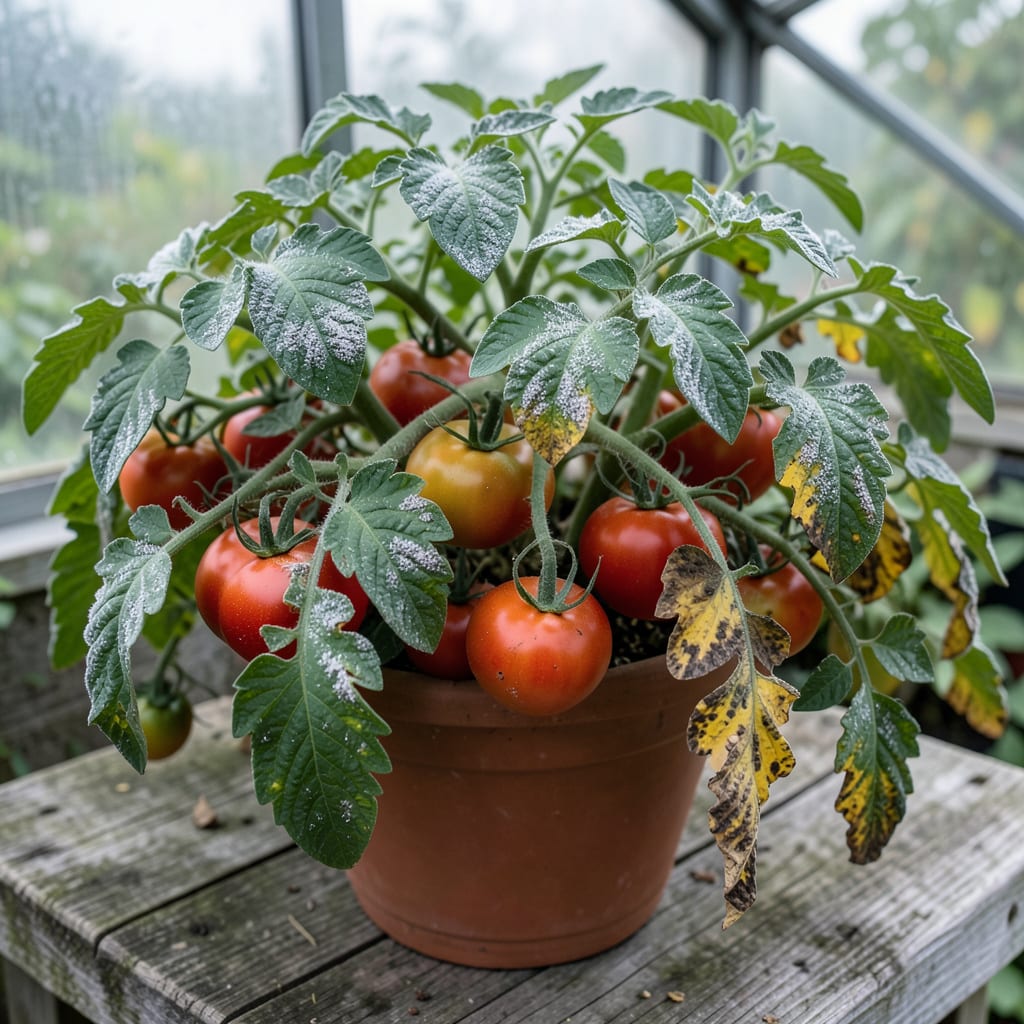
White spots on your tomatoes? Don’t panic. I’ve battled every mold imaginable on my plants, and the key is catching it early before it spreads like wildfire through your garden.
Most molds appear as fuzzy white, gray, or black patches on leaves, stems, or fruit. They thrive in damp, crowded conditions where air doesn’t move. A little observation and the right approach can turn this around fast.
You’ll learn to spot the differences between powdery mildew, early blight, and late blight—plus the simple fixes that work for each. No fancy equipment needed, just consistent action.
From organic sprays to cultural tweaks, these solutions keep your plants healthy and productive. The sooner you act, the better your chances of saving this season’s harvest.
Mold on tomato plants often stems from environmental and biological factors that create ideal conditions for fungal spores to thrive. Below are the most common causes, explained with actionable insights.
Fungal spores, like those causing early blight or powdery mildew, require moisture to germinate. Overwatering, poor soil drainage, or frequent overhead irrigation (wetting leaves) creates a damp environment. Tomatoes in humid climates or crowded plantings with poor air circulation are especially vulnerable. Fix: Water at the base of plants in the morning, use drip irrigation, and ensure soil has organic matter to improve drainage.
Warm days (70–85°F) followed by cool, dewy nights (50–60°F) encourage fungal growth, particularly late blight (Phytophthora infestans). These conditions slow leaf drying, giving spores time to infect. Fix: Use row covers to moderate temperature swings and remove infected plants immediately to prevent spread.
Dense foliage traps humidity and blocks airflow, which invites gray mold (Botrytis cinerea) and other fungi. Tomatoes left unpruned (especially indeterminate varieties) develop excessive leaves, reducing ventilation. Fix: Space plants 18–24 inches apart, prune suckers, and stake or trellis vines to promote airflow.
Fungal spores can overwinter in soil or on gardening tools, infecting new plants. Fusarium and Verticillium wilt fungi, for example, persist in soil for years. Fix: Rotate crops (avoid planting tomatoes in the same spot yearly), solarize soil, and sterilize tools with a 10% bleach solution.
Greenhouses or shaded areas with humidity above 80% and limited sunlight weaken plants, making them susceptible to powdery mildew (Oidium neolycopersici). Fix: Increase ventilation with fans, thin out foliage, and ensure plants receive 6–8 hours of sunlight daily.
Mold on tomato plants can be frustrating, but with the right approach, you can restore your garden’s health. Below are targeted solutions for common fungal issues, along with prevention tips to keep them from returning.
If you spot early blight (brown spots with concentric rings on lower leaves), act fast. Remove infected leaves or entire plants to prevent the fungus from spreading. Bag and trash the debris—do not compost. Apply a copper-based fungicide to the remaining plants, following label instructions. Prevention tip: 💡 Space plants 2-3 feet apart for better airflow and water at the base to avoid wetting foliage.
Late blight (purple-brown lesions on leaves and fruit) spreads rapidly, especially in wet conditions. Remove and destroy all infected plant material immediately. Treat healthy plants with chlorothalonil or copper fungicide every 5-7 days until the threat passes. Prevention tip: 🌡️ Rotate crops yearly and avoid planting tomatoes in the same spot to break the fungal cycle.
White, powdery patches on leaves signal powdery mildew. Mix 1 tablespoon baking soda, 1 teaspoon dish soap, and 1 gallon of water, then spray affected leaves weekly. Prevention tip: ✨ Plant resistant varieties like ‘Jasper’ or ‘Solar Fire’ and prune excess foliage to improve air circulation.
Small, circular spots with gray centers indicate Septoria leaf spot. Prune infected leaves and apply a neem oil or sulfur-based fungicide. Prevention tip: 🎯 Mulch with straw to prevent soil splashing onto leaves, which spreads spores.
General care: Strengthen plants with balanced fertilizer, avoid overhead watering, and keep the garden free of debris. A little vigilance goes a long way!
Early blight appears as small brown spots with concentric rings on lower leaves. Powdery mildew shows as white, dusty patches on leaf surfaces, often in humid conditions.
If over 50% of the plant is infected, it’s best to remove it to prevent spreading. For mild cases, prune affected areas and apply fungicide immediately.
Baking soda or neem oil sprays work best when applied every 7-10 days, or after rain. Reapply more frequently during high humidity.
Spores often overwinter in soil or on plant debris. Rotate crops yearly and clean up fallen leaves and stems in autumn to break the cycle.
