
Beautiful Plants For Your Interior
Beautiful Plants For Your Interior
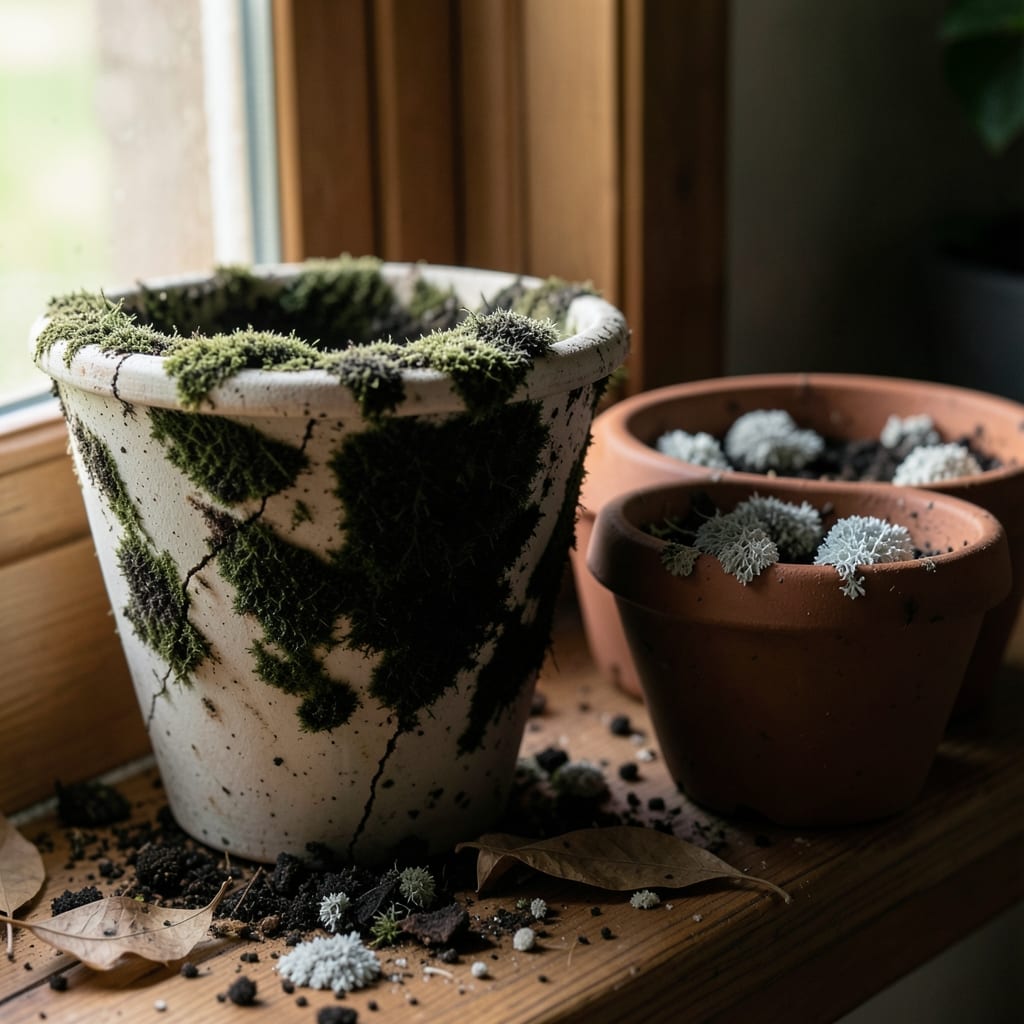
White fuzz on your favorite ceramic pot isn’t a death sentence. I’ve rescued dozens of containers from mold with a simple approach that works every time.
The problem usually starts with moisture and poor airflow. Left unchecked, it spreads across the surface and can even affect plant health. Most cases clear up with household items you already have.
You’ll restore your pot to its original beauty in under an hour using safe, natural methods. The key is thorough cleaning followed by proper drying and storage habits.
Prevention is easier than you think—just a few adjustments to your routine keeps mold from returning. Here’s exactly how to handle it.
Mold thrives on ceramic pots due to a combination of environmental and material factors. Understanding these causes helps prevent recurrence and keeps your plants healthy. Below are the primary reasons mold appears on ceramic surfaces.
Ceramic pots are porous, absorbing and retaining water. If the soil stays soggy or the pot lacks drainage, moisture lingers on the surface, creating an ideal breeding ground for mold spores. Overwatering or poor airflow exacerbates this issue.
Dirt, dead leaves, or algae on the pot’s exterior provide nutrients for mold. Even small amounts of organic matter can feed fungal growth, especially in humid conditions. Regular cleaning removes these food sources.
Mold spores float in the air and settle on surfaces, especially in damp environments. Ceramic pots in bathrooms, greenhouses, or shaded outdoor areas are more susceptible. Controlling humidity levels reduces spore germination.
Chemical or organic fertilizers can leave a film on ceramic pots, which attracts mold. Salts and minerals in fertilizers also create a sticky surface that traps moisture and debris, accelerating fungal growth.
Shaded spots with stagnant air slow down evaporation, keeping the pot damp. Sunlight and ventilation inhibit mold by drying surfaces and disrupting spore development. Position pots in well-ventilated, sunlit areas when possible.
Mold on your ceramic pots can be tackled with simple, household solutions. Here’s how to address each cause and keep your plants healthy and your pots clean.
If excess moisture is the culprit, start by repotting your plant in a pot with drainage holes. Use a well-draining soil mix and add a layer of gravel or perlite at the bottom to prevent waterlogging. Elevate the pot on feet or a saucer with pebbles to ensure air circulates underneath. Prevention tip: 💡 Always empty the saucer after watering to avoid standing water.
Mold thrives on dirt and organic debris. Scrub the pot with a mixture of 1 part white vinegar to 1 part water or a mild dish soap solution. Use a soft brush to reach crevices, then rinse thoroughly and dry in the sun. For stubborn mold, sprinkle baking soda, spray with vinegar, let it fizz, then scrub. Prevention tip: ✨ Wipe down pots with a damp cloth weekly to remove dust and grime.
If mold is growing due to decaying leaves or soil, remove the plant and gently shake off old soil. Trim any rotting roots or leaves, then repot with fresh, sterile potting mix. Avoid over-fertilizing, as excess organic material can feed mold. Prevention tip: 🌿 Clean up fallen leaves and debris around the pot promptly.
Move your pot to a spot with better airflow, like near an open window or a fan. Use a dehumidifier in damp rooms or group pots with spacing between them to reduce moisture buildup. Prevention tip: 🌡️ Water plants in the morning so excess moisture evaporates during the day.
Yes, a diluted bleach solution of 1 part bleach to 10 parts water works well. Scrub the pot, then rinse thoroughly and air-dry in sunlight. Avoid using undiluted bleach as it can damage the ceramic finish.
Recurring mold usually means excess moisture or poor airflow persists. Check for proper drainage, reduce watering frequency, and ensure the pot gets adequate light and ventilation.
Wait until the pot is completely dry, typically 24-48 hours in sunlight. This ensures all moisture and cleaning residue are gone, preventing mold from returning quickly.
A paste of baking soda and water applied with a brush works wonders. Let it sit for 15-20 minutes, scrub, then rinse. White vinegar is another great natural option.