
Beautiful Plants For Your Interior
Beautiful Plants For Your Interior
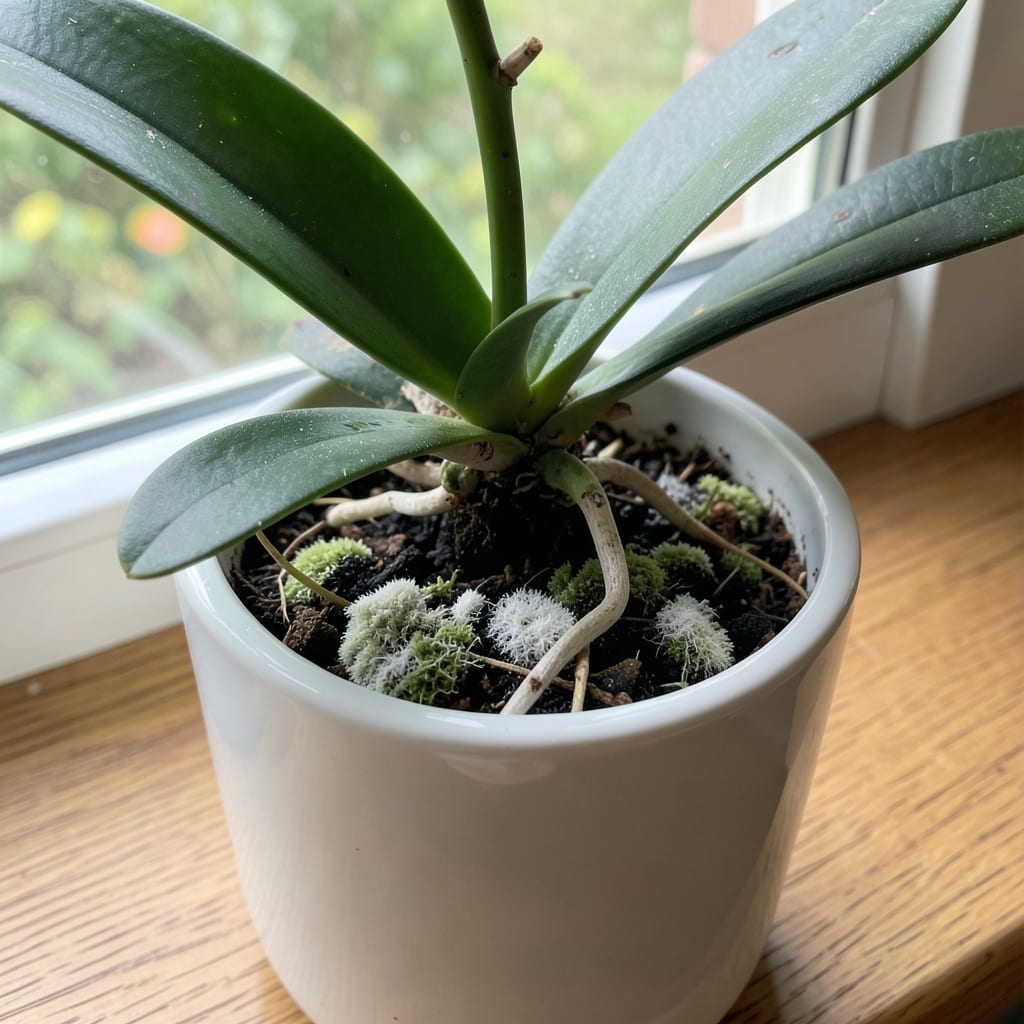
White fuzz on your orchid’s bark chips isn’t just ugly—it’s stealing oxygen from the roots. I’ve lost too many plants to mold before learning these simple fixes.
The culprit is usually overwatering combined with poor airflow. Orchid mix stays wet too long, and mold moves in fast. But here’s the thing—it’s fixable without repotting every time.
I’ve tested every remedy from cinnamon to hydrogen peroxide. The fastest solution takes 10 minutes and uses items you already have at home.
Prevention is even easier: better drainage, a fan for air movement, and the right watering rhythm. Your orchids will thank you with bigger blooms and healthier roots.
Mold thrives in orchid potting mix due to specific environmental and care-related factors. Here’s a breakdown of the most common causes:
Overwatering is the #1 culprit. Orchids need airflow around their roots, and soggy conditions create the perfect breeding ground for mold. Potting mixes that retain too much water—like those heavy in peat moss or coconut coir—can suffocate roots and encourage fungal growth.
If your orchid’s pot lacks drainage holes or the mix is too dense, water pools at the bottom, fostering mold. Clay or compacted bark mixes can trap moisture, especially in Phalaenopsis or Dendrobium setups where airflow is critical.
Orchids in dim, humid environments (e.g., bathrooms or terrariums) dry slowly. Stagnant air + moisture = mold. Sphagnum moss is particularly prone to this if not allowed to dry between waterings.
Old or broken-down potting media (like aged bark or leaf litter) decomposes, releasing nutrients that feed mold. This is common in mixes older than 1–2 years or those with high organic content.
Crowded plants or pots without ventilation restrict airflow, letting moisture linger. Even a healthy mix can mold if placed in a still, damp corner.
Mold in your orchid’s potting mix can be frustrating, but these practical solutions will help you restore a healthy growing environment for your plant. Address the issue based on its cause and severity, and follow these targeted fixes to get your orchid thriving again.
If excess moisture is the culprit, let the potting mix dry out completely before watering again. Remove the orchid from its pot and place it in a well-ventilated area for a few hours to speed up drying. Going forward, water only when the top inch of the mix feels dry. Use the “soak and dry” method: submerge the pot in water for 10–15 minutes, then let it drain thoroughly.
Prevention tip: 💡 Use pots with drainage holes and avoid letting orchids sit in saucers of water.
Stagnant air encourages mold growth. Move your orchid to a spot with gentle air movement, such as near an open window or a ceiling fan on low. If growing in a terrarium or enclosed space, remove the lid temporarily to increase airflow. For severe cases, a small USB fan set on low can work wonders.
Prevention tip: ✨ Space orchids apart to allow air to circulate freely between them.
If the potting mix is decomposed or moldy, it’s time for a change. Gently remove the orchid from its pot, rinse the roots to remove old mix, and trim any black or mushy roots with sterilized scissors. Repot using fresh, high-quality orchid mix (bark-based mixes resist mold best). Choose a clean pot and avoid reusing old containers without sanitizing them first.
Prevention tip: 🎯 Replace potting mix every 1–2 years or when it starts breaking down.
For visible mold, treat the mix with a natural fungicide. Mix 1 teaspoon of cinnamon (a natural antifungal) into the top layer of the potting mix. Alternatively, dilute 1 part hydrogen peroxide (3%) with 4 parts water and lightly spray the mix. Avoid harsh chemicals, as they can harm delicate orchid roots.
Prevention tip: 🌡️ Maintain consistent temperatures and humidity levels (40–70%) to discourage fungal growth.
No, moldy mix can harm your orchid by blocking airflow to the roots. Remove the plant and treat the mix immediately to prevent root rot or further spread.
It’s risky. Mold spores can linger, so it’s best to replace the mix entirely. If reusing, sterilize it first by baking at 200°F for 30 minutes.
Allow the moss to dry slightly between waterings and ensure good airflow. Avoid compacting it, which traps moisture and encourages mold growth.
No, cinnamon is safe and acts as a natural antifungal. Sprinkle a thin layer on the mix to combat mold without damaging roots.