
Beautiful Plants For Your Interior
Beautiful Plants For Your Interior
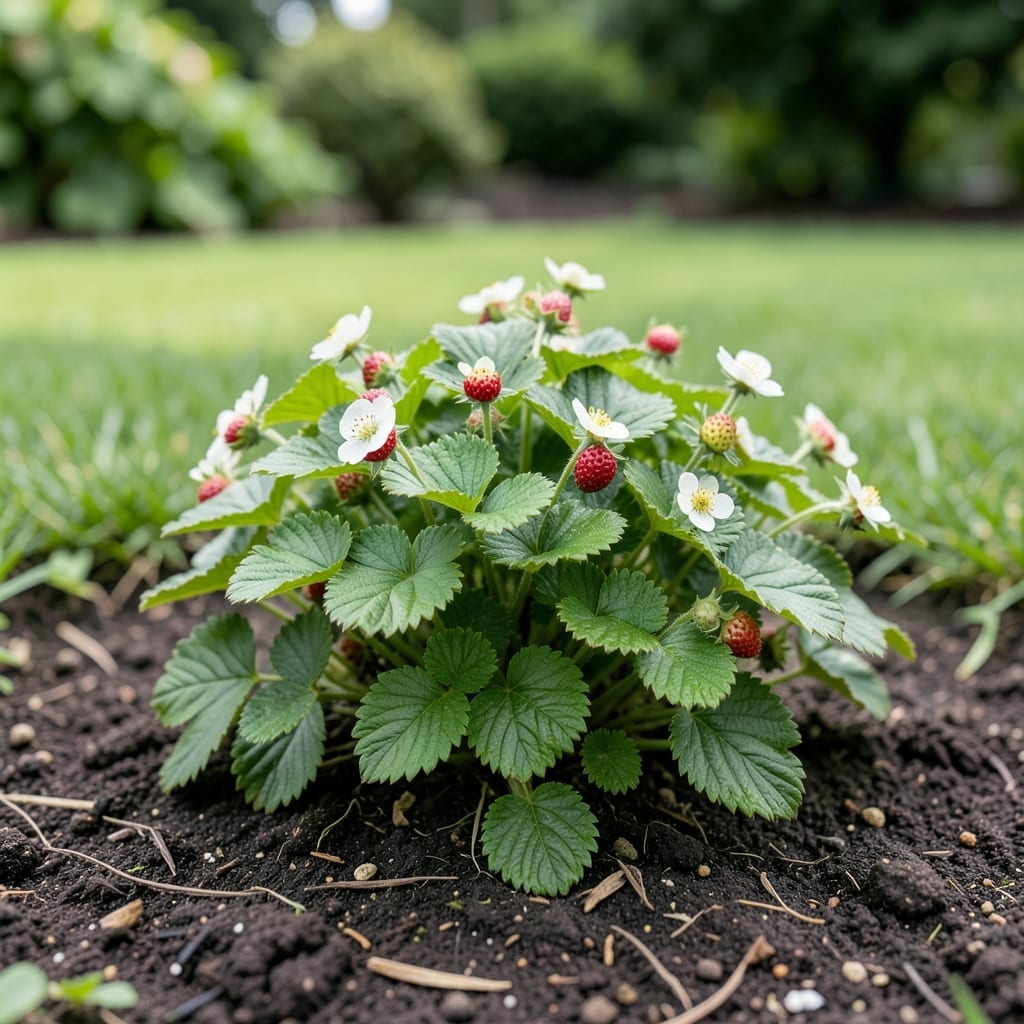
Those three-leaf invaders in your yard aren’t strawberries. I’ve pulled hundreds from my garden beds, only to watch them spread faster than I could work. They look harmless—glossy green leaves, low to the ground—but they’ll choke out everything else if left alone.
Here’s the thing—they’re tougher than they appear. Hand-pulling works for small patches, but you need to get the roots or they’ll bounce right back. A simple weeding tool helps, but the real trick is catching them early before they form dense mats.
Natural removal means no harsh chemicals, just persistence and the right technique. You’ll see results within a week of consistent effort, and your real strawberries will finally have room to thrive without competition.
Works in flower beds, vegetable gardens, or lawn edges. The key is staying ahead of their spread.
The appearance of mock strawberry leaves on your plants can be puzzling, but it’s usually tied to a few key factors. Here’s why it happens:
Some plants naturally develop mock strawberry leaves due to genetic anomalies. These mutations can cause abnormal leaf shapes that resemble strawberry foliage, even in unrelated species. While rare, this is most common in plants with unstable genetic lines or those propagated from cuttings of affected specimens.
Fungi like Mycosphaerella fragariae (leaf spot disease) can distort leaf growth, leading to strawberry-like appearances. These pathogens disrupt cellular development, causing irregular leaf shapes. Wet, humid conditions often trigger such infections, so improving airflow and reducing moisture can help prevent this.
Insects such as aphids or mites may feed on new growth, stunting or deforming leaves. Their saliva can introduce toxins or viruses that alter leaf morphology. Regularly inspect plants for pests and treat infestations promptly with neem oil or insecticidal soap.
Exposure to herbicides (e.g., 2,4-D) can cause leaf malformations, including mock strawberry-like growth. Even low doses from nearby applications can lead to twisted or abnormal foliage. Avoid spraying herbicides near susceptible plants and rinse leaves if drift is suspected.
If your plants are showing signs of issues related to mock strawberry leaves, here’s how to tackle each cause with simple, practical fixes:
Cause: Overwatering or poor drainage.
Fix: Let the soil dry out between waterings. Repot the plant in well-draining soil and ensure the container has drainage holes. Trim any severely damaged leaves to encourage new growth.
Prevention: Use a moisture meter to check soil dampness before watering. Stick to a consistent watering schedule.
Cause: Aphids, spider mites, or whiteflies.
Fix: Spray leaves with a mixture of water and mild soap to dislodge pests. For stubborn infestations, apply neem oil or insecticidal soap. Wipe leaves gently with a damp cloth to remove residue.
Prevention: Inspect plants regularly for early signs of pests. Introduce beneficial insects like ladybugs to your garden as natural predators.
Cause: Excess moisture or poor air circulation.
Fix: Remove infected leaves immediately to prevent spread. Apply a copper-based fungicide or a baking soda solution (1 tsp baking soda + 1 quart water + a few drops of soap) to affected areas.
Prevention: Avoid overhead watering—water at the base of the plant instead. Space plants adequately to improve airflow.
Cause: Too much direct sunlight or high temperatures.
Fix: Move potted plants to a shadier spot or provide shade cloth for garden plants. Increase watering temporarily to help recovery, but avoid overdoing it.
Prevention: Gradually acclimate plants to sunlight if they’ve been indoors. Monitor weather forecasts for heatwaves and adjust care accordingly.
💡 Pro Tip: Always sterilize your pruning tools with rubbing alcohol before and after use to avoid spreading diseases between plants.
Mock strawberry leaves have toothed edges and grow in threes like real ones, but the plants produce small, inedible yellow “berries.” Real strawberries have white flowers and red fruit. Check the fruit color first!
They thrive in disturbed soil and spread via runners. Each node can root and form new plants. Regular weeding and removing runners early prevents rapid growth. Mulch helps suppress them too.
Yes, they compete aggressively for nutrients and space. Dense mats can smother nearby plants and reduce biodiversity. They won’t poison your garden but will crowd out desired species.
Hand-pull when soil is moist to get roots. For large areas, use a hoe to cut runners. Consistency is key—check weekly for new growth. Never compost pulled plants with seeds.