
Beautiful Plants For Your Interior
Beautiful Plants For Your Interior
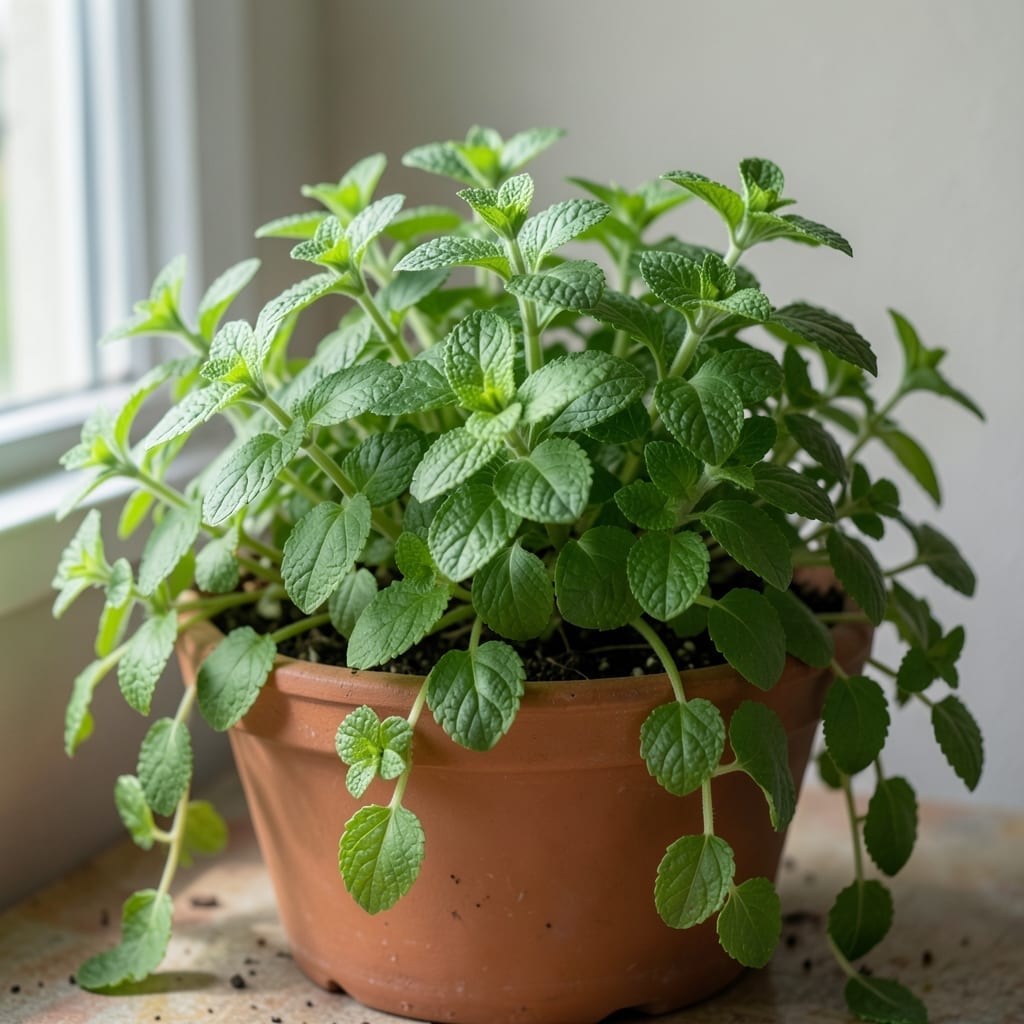
Mint will take over your garden if you let it. I learned this the hard way after one plant spread 6 feet in a single season.
Control it with containers or buried barriers. Give it partial shade and consistently moist soil, and you’ll have lush green growth that smells amazing every time you brush against it.
📚 In This Guide
Here’s my proven approach for cultivating vigorous mint with minimal effort and maximum yield.
Mint thrives in partial shade to full sun, but I’ve found it performs best with morning sunlight and afternoon shade, especially in warmer climates. Choose a spot with well-draining soil, as mint detests waterlogged roots. If your garden soil is heavy clay, amend it with compost to improve drainage.
For container growing, select a pot at least 12 inches deep with drainage holes. Mint’s aggressive root system spreads rapidly, so I always use a container to prevent it from overtaking adjacent plants. A wide, shallow pot works well for multiple mint plants.
Whether planting from nursery starts or cuttings, space mint plants 18-24 inches apart to allow for their bushy growth habit. Dig a hole slightly larger than the root ball, place the plant in, and backfill with soil, pressing gently to remove air pockets.
If planting multiple varieties, keep them separated by at least 3 feet or use individual containers. Mint can cross-pollinate, and flavors may blend if varieties grow too close. Water thoroughly after planting to help the roots establish.
For cuttings, trim the bottom leaves, dip the stem in rooting hormone, and place it in a glass of water. Once roots reach 1-2 inches long, transplant into soil.
Mint prefers consistently moist but not soggy soil. Water when the top inch of soil feels dry, typically every 2-3 days in warm weather. I use a drip irrigation system to keep the foliage dry and prevent fungal diseases.
Feed mint with a balanced, water-soluble fertilizer every 4-6 weeks during the growing season. Avoid over-fertilizing, as it can reduce the plant’s aromatic oils. A light application of compost in early spring provides a slow-release nutrient boost.
To encourage dense, bushy growth, pinch back the tips of young plants when they reach 6 inches tall. This forces the plant to branch out, resulting in a fuller shape. I prune my mint every 3-4 weeks during the growing season.
Harvest leaves as needed by snipping stems just above a set of leaves. Regular harvesting keeps the plant productive and prevents it from flowering too early. If flowers do appear, trim them off immediately to maintain leaf quality.
At the end of the growing season, cut the plant back to 2-3 inches above the soil to rejuvenate it for the next year.
These insights will help you avoid pitfalls and maximize your mint harvest.
The Location Advantage: While mint tolerates partial shade to full sun, the sweet spot is morning sun with afternoon shade in warmer climates. This prevents leaf scorch while still providing enough light for vigorous growth. I’ve seen the difference firsthand—plants in this condition grow twice as fast.
Container Control: Never underestimate mint’s spreading nature. A 12-inch deep container isn’t just a suggestion—it’s your best defense against invasive growth. I learned this after my first mint plant took over half my herb garden in a single season.
Watering Wisdom: The top inch of soil test is your best guide for watering. In warm weather, this typically means every 2-3 days, but always check the soil first. Overwatering creates soggy conditions that mint hates just as much as drought.
Pruning Precision: That 6-inch height for pinching back isn’t arbitrary—it’s the perfect time to encourage bushier growth. And don’t skip the every 3-4 weeks pruning schedule during growing season; it’s what keeps your plant productive rather than leggy.
Mint thrives in consistently moist soil, so water it when the top inch feels dry—usually every 2-3 days in warm weather. Avoid soggy soil to prevent root rot.
Mint prefers partial shade (3-4 hours of sunlight) but tolerates full sun in cooler climates. Too much shade can lead to leggy growth, so balance is key.
Plant mint in containers or use underground barriers to limit its aggressive roots. Regular pruning also helps keep it in check.
Yellow leaves often signal overwatering, poor drainage, or nutrient deficiency. Check soil moisture and ensure proper drainage to revive your plant.
Yes! Place it near a sunny window (south-facing is ideal) and maintain consistent moisture. Use a well-draining pot and rotate occasionally for even growth.