
Beautiful Plants For Your Interior
Beautiful Plants For Your Interior
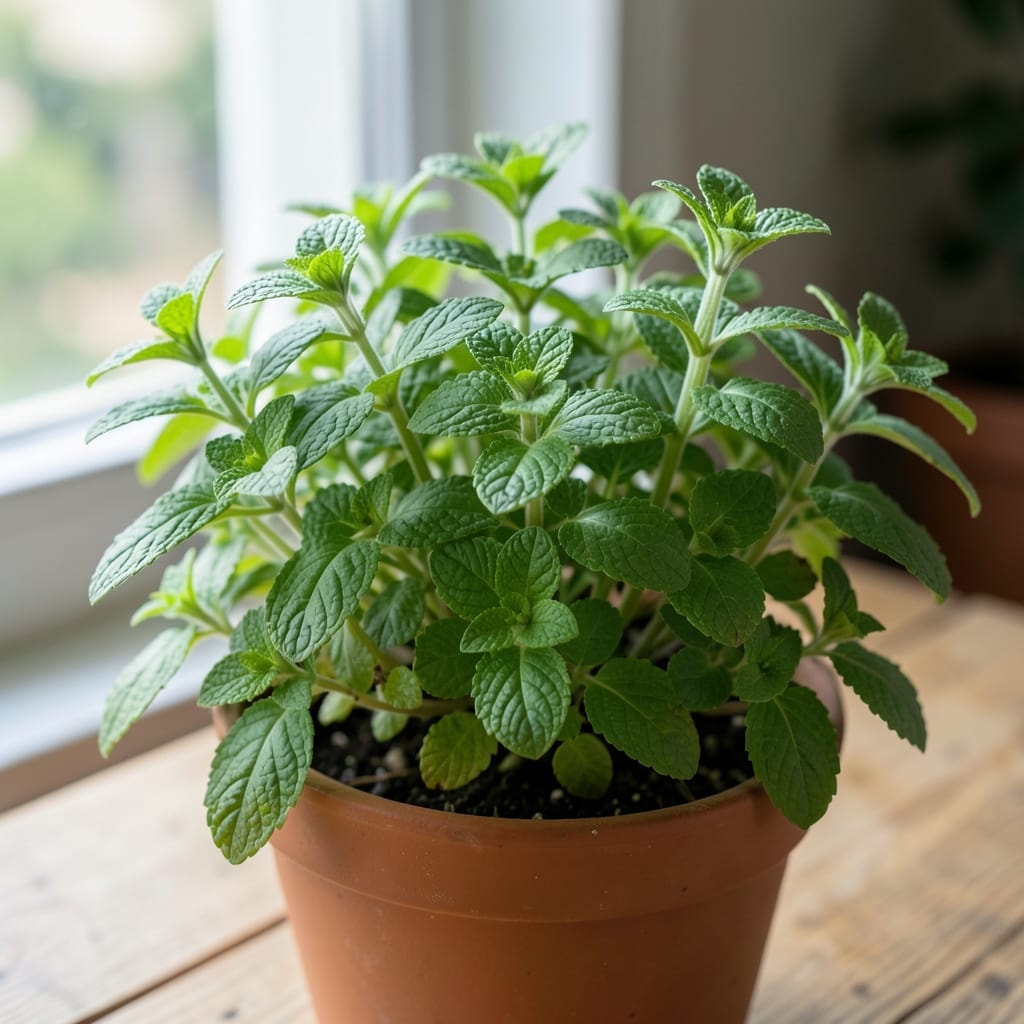
Mint’s aggressive root system can take over gardens if left unchecked, but understanding its growth patterns helps you harness its benefits without the invasion.
The 🌿 spreads quickly with runners that can reach surprising depths. Whether you’re planting in containers or open soil, knowing how deep mint roots go is the key to keeping it under control.
I’ll show you how to manage this vigorously growing herb so you can enjoy its fresh flavor without it taking over your entire space.
Mint’s root system is surprisingly aggressive, often reaching 12 to 24 inches deep in ideal conditions. These roots don’t just grow downward—they spread horizontally through runners or stolons, which is why mint can quickly overtake a garden bed.
In loose, well-draining soil, mint roots thrive and expand faster. However, in compacted or clay-heavy soil, they may stay closer to the surface, typically around 6 to 12 inches deep. Seasonal changes also play a role, with growth peaking in spring and summer.
| Requirement | Specification |
|---|---|
| Depth in loose soil | 12-24 inches |
| Depth in compacted soil | 6-12 inches |
| Horizontal spread | Indefinite via runners |
| Peak growth season | Spring and summer |
What makes mint so invasive is its ability to send out underground runners that produce new plants at nodes along the stem. This means one mint plant can quickly become a dense patch if not managed properly.
I’ve seen mint roots penetrate deeply in raised beds with rich soil, sometimes reaching 2 feet down. In containers, they’ll fill the entire pot and even push through drainage holes if given the chance.
The soil type and moisture levels also influence root depth. Mint prefers consistently moist soil, so in dry conditions, roots may grow deeper in search of water. Conversely, in waterlogged soil, they tend to stay shallow to avoid rot.
If you’re planting mint in open ground, be aware that its horizontal spread is often more problematic than its depth. A single plant can send runners several feet in all directions, creating a thick mat of growth.
This is why many gardeners opt for container growing to keep mint in check. Even in pots, the roots will spread outward and downward, so choose a deep, wide container to accommodate its growth habits.
In my experience, regular pruning of both the foliage and roots helps control its spread. Cutting back the plant encourages bushier growth and reduces the energy available for root expansion.
For garden beds, I recommend planting mint in a bottomless pot sunk into the ground. This creates a natural barrier that contains the roots while still allowing them to access soil nutrients and moisture.
No matter where you plant it, mint’s root system is persistent and adaptable. Understanding its growth patterns is the first step in keeping it from taking over your garden.
🌿Mint’s aggressive root system demands smart containment strategies. Without control, it’ll spread rapidly through runners, overtaking neighboring plants and garden spaces.
I’ve found the most effective method is using physical root barriers. Bury a 12-inch deep metal or plastic edging around the planting area to block horizontal spread.
The container method is my top recommendation for beginners. Select a deep, wide pot with drainage holes to accommodate the extensive root system while preventing escape into garden soil.
For in-ground planting, I sink bottomless pots into the soil. This creates a natural barrier while allowing roots to access nutrients and moisture from the surrounding earth.
Don’t overlook regular maintenance. Every 2-3 months, I prune both the foliage and roots. This keeps the plant bushy and controlled rather than leggy and invasive.
Remember, mint’s horizontal spread is often more problematic than its depth. Even with deep roots, the runners above ground are what typically cause garden takeovers.
With these strategies, you can enjoy fresh mint without it becoming a garden nuisance 🌿