
Beautiful Plants For Your Interior
Beautiful Plants For Your Interior
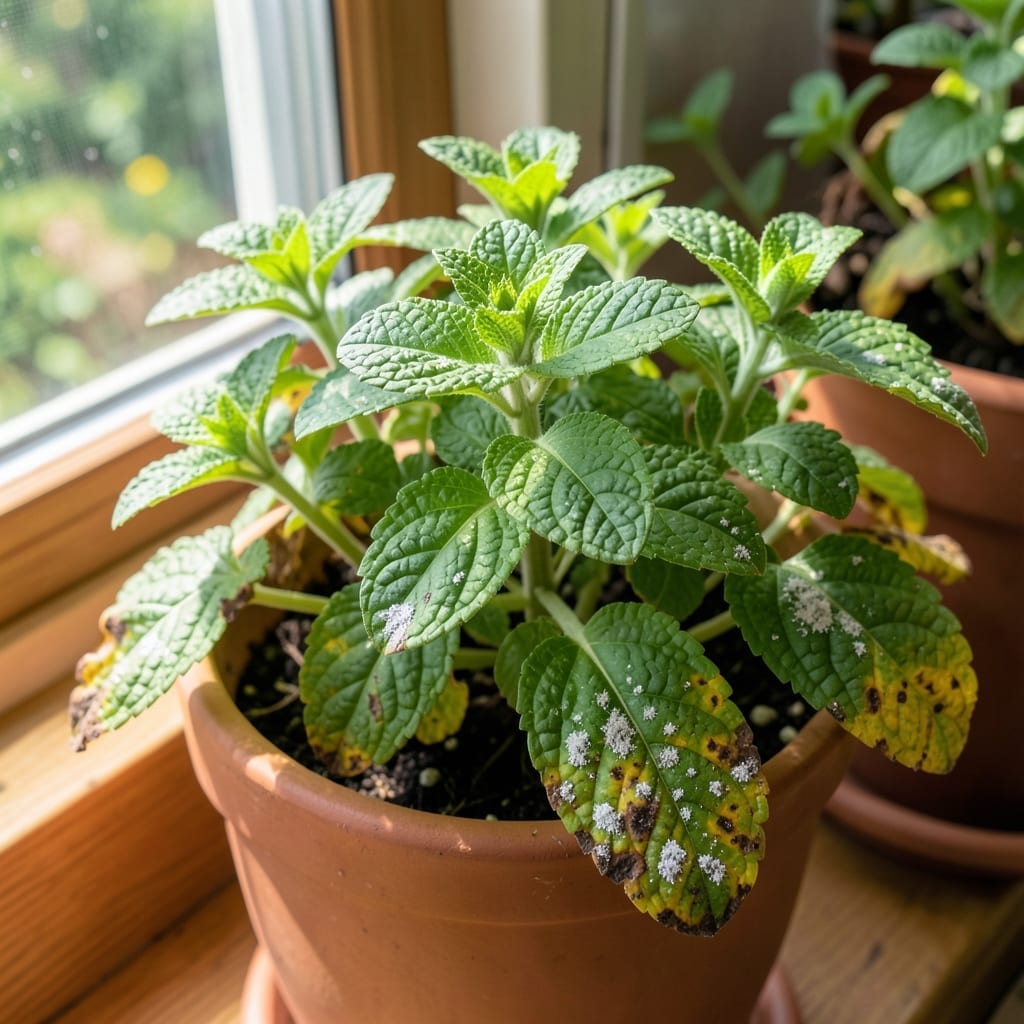
Nothing ruins a thriving mint patch faster than mysterious spots or wilting leaves. I’ve lost entire plants to silent invaders before learning to recognize the early warning signs.
This visual guide helps you spot trouble before it spreads—yellowing edges, blackened stems, or powdery coatings that shouldn’t be there. Most issues stem from overwatering, poor airflow, or fungal spores hitching a ride on wet foliage.
With the right approach, you can rescue affected plants and protect the rest. Organic treatments like neem oil or baking soda sprays work surprisingly well when caught early.
Prevention is simpler than you think: space plants properly, water at the base, and keep the garden clean. Your mint will thank you with vibrant green growth all season.
Understanding the root causes of mint diseases helps prevent outbreaks and keeps your plants thriving. Below are the primary factors that contribute to common mint ailments, explained with actionable insights.
Mint thrives in moist soil, but excess water creates a breeding ground for fungal diseases like powdery mildew and root rot. When roots sit in waterlogged soil, they suffocate and weaken, making the plant vulnerable to pathogens. Solution: Use well-draining soil and pots with drainage holes. Water only when the top inch of soil feels dry.
Mint loves humidity, but stagnant air traps moisture on leaves, promoting fungal spores. Crowded plantings or lack of spacing exacerbate this. Downy mildew and rust thrive in such conditions. Solution: Space plants 12–18 inches apart, prune regularly for airflow, and avoid overhead watering.
Insects like aphids, spider mites, and whiteflies weaken mint by sucking sap, leaving entry points for viruses (e.g., mint mosaic virus). Their sticky honeydew also fosters sooty mold. Solution: Inspect leaves weekly; use neem oil or insecticidal soap at first signs of pests.
Mint prefers 60–70°F (15–21°C). Extreme heat or cold stresses the plant, reducing its defenses against diseases like bacterial leaf spot. Solution: Provide shade in hot climates and mulch to regulate soil temperature.
Pathogens linger in unsterilized soil or dirty gardening tools, spreading diseases like verticillium wilt. Solution: Use pasteurized potting mix and disinfect tools with rubbing alcohol between uses.
By addressing these triggers, you can minimize disease risks and enjoy healthier mint all season long.
Mint plants are hardy, but even they can fall victim to diseases. Here’s how to tackle the most common issues and keep your mint thriving. 🌿
If you spot white, powdery spots on leaves, prune infected areas immediately and space plants further apart to boost air circulation. Prevention tip: Water at the base in the morning so foliage dries quickly. Avoid overhead watering to reduce humidity.
Orange or brown pustules on undersides of leaves signal rust. Remove infected leaves and replace the top layer of soil to eliminate spores. Prevention tip: Use drip irrigation to keep leaves dry, and avoid crowding plants.
Dark, sunken spots with yellow halos? Apply a copper-based fungicide to affected plants, following package instructions. Prevention tip: Rotate crops yearly and remove plant debris to prevent spore buildup in the soil.
Wilting, yellowing leaves, and a foul smell mean root rot. Trim black, mushy roots and repot the plant in fresh, well-draining soil. Prevention tip: Use containers with drainage holes and let the soil dry slightly between waterings.
If stems turn black and wilt suddenly, the plant may have blight. Remove and destroy infected plants to stop the spread. Prevention tip: Disinfect tools between uses and plant disease-resistant mint varieties.
💡 Pro tip: Regularly inspect leaves and stems for early signs of trouble—early intervention saves plants!
Look for white, dusty patches on the upper surfaces of leaves. It often starts on older leaves and spreads quickly in humid conditions.
Brown spots with yellow halos usually indicate anthracnose, a fungal disease. Overhead watering and poor airflow often trigger this.
If caught early, trim the affected roots and repot in fresh, well-draining soil. For severe cases, it’s best to remove the plant to prevent spreading.
Use pots with drainage holes, avoid overwatering, and ensure good airflow. Clean containers between plantings to remove lingering spores.