
Beautiful Plants For Your Interior
Beautiful Plants For Your Interior
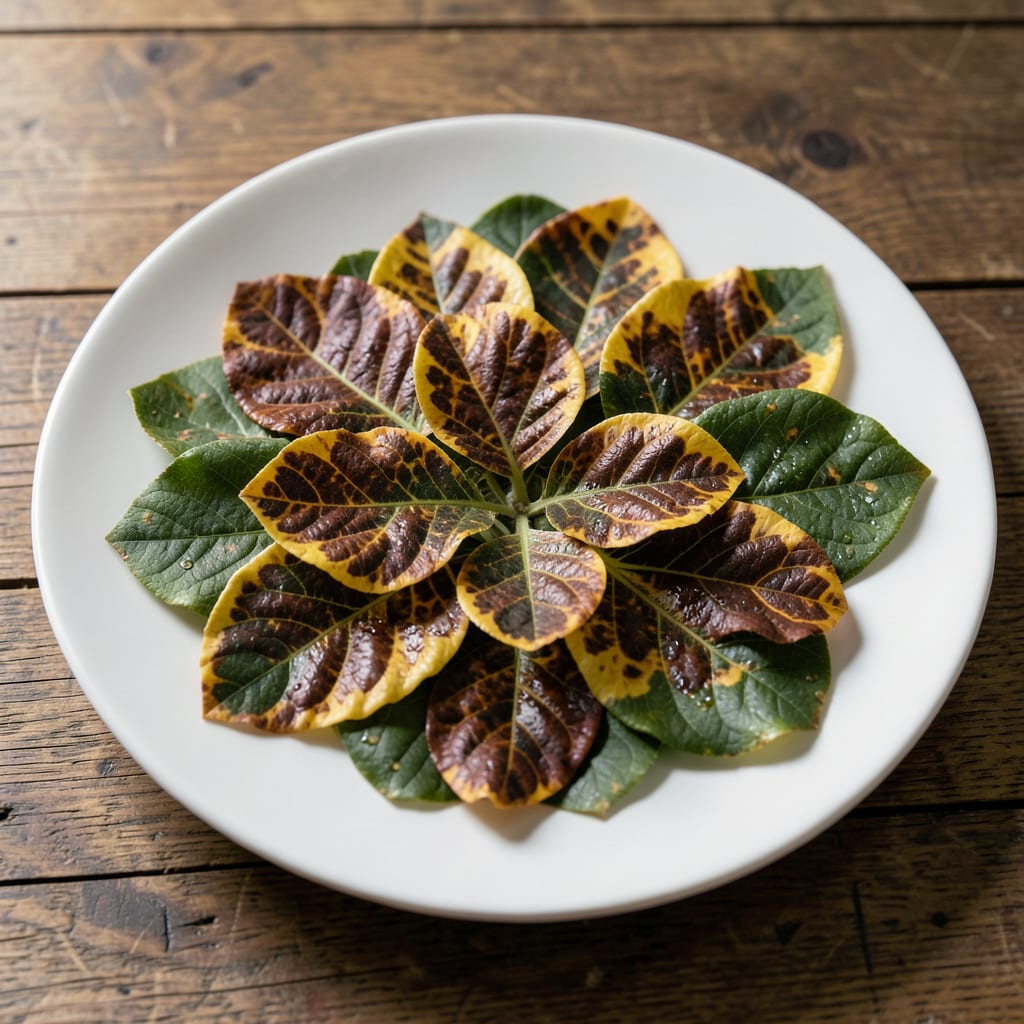
Spotted leaves are your plant’s way of waving a white flag. I’ve learned the hard way that these marks aren’t just unsightly—they’re early warnings of bigger problems brewing under the surface.
From fungal invaders to thirsty roots, each pattern tells a different story. Some spots spread like wildfire, while others stay stubbornly in one place—both demand quick action before your green friends take a turn for the worse.
You’ll spot the difference between pest damage and disease once you know what to look for. The fix often starts with better air flow, consistent watering, or a simple spray.
Catch it early, and your plants can bounce back stronger than before. Here’s how to read the signs and rescue your garden.
Those unsightly brown and yellow spots on leaves are your plant’s way of sending an SOS. Here’s what’s likely triggering the distress signals:
Fungi like Cercospora, Alternaria, or Septoria thrive in warm, wet conditions. They invade leaf tissues, disrupting chlorophyll production and creating circular or irregular spots with dark borders. Overhead watering and poor air circulation accelerate their spread.
Bacteria such as Xanthomonas or Pseudomonas enter through wounds or stomata, causing water-soaked lesions that turn yellow or brown. These spots often have a greasy appearance and may ooze in humid weather. Splashing water and contaminated tools spread the pathogens.
Sap-sucking insects like spider mites, aphids, or thrips pierce leaf cells, leading to stippling, yellowing, or necrotic spots. Their feeding also introduces toxins and can vector viral diseases, compounding the damage.
Extreme heat, cold drafts, or sudden temperature swings can cause scorch-like brown patches or interveinal yellowing. Over- or under-watering, nutrient deficiencies (e.g., magnesium or potassium), or chemical burns from fertilizers may also manifest as spotted foliage.
Deficiencies in essential micronutrients like manganese, iron, or zinc often present as yellowing between veins (interveinal chlorosis) or dead brown spots. Excess salts or improper pH levels in soil can lock out nutrients, worsening symptoms.
Tackling brown and yellow spots on leaves starts with identifying the cause and applying the right fix. Below are targeted solutions for common issues, along with prevention tips to keep your plants thriving.
Fix: Remove infected leaves immediately to prevent spread. Apply a copper-based fungicide or a homemade mix of 1 tsp baking soda + 1 quart water + a few drops of dish soap. Spray weekly until symptoms disappear.
Prevention: Improve air circulation around plants, avoid overhead watering, and water in the morning so foliage dries quickly. 💡 Pro tip: Space plants properly to reduce humidity buildup.
Fix: Wash leaves with a mild soap solution (1 tsp insecticidal soap per quart of water) to remove pests like aphids or spider mites. For severe cases, use neem oil or introduce beneficial insects like ladybugs.
Prevention: Inspect plants regularly, especially the undersides of leaves. Keep the garden clean to discourage pests from settling in.
Fix: Let the soil dry out between waterings. If the plant is in a pot, ensure it has drainage holes. For garden plants, amend heavy soil with compost or perlite to improve drainage.
Prevention: Use a moisture meter to monitor soil conditions, and always water at the base of the plant. ✨ Pro tip: Stick your finger 1-2 inches into the soil—if it’s dry, it’s time to water.
Fix: Test your soil to identify missing nutrients. Amend with a balanced fertilizer (10-10-10) or organic options like compost or worm castings. For iron deficiency, use chelated iron.
Prevention: Feed plants regularly during the growing season, and rotate crops to prevent soil depletion. 🎯 Pro tip: Yellowing between leaf veins often signals iron deficiency—act fast!
Fix: Move potted plants to a location with consistent light and temperature. For garden plants, provide shade cloth during extreme heat or frost protection in cold snaps.
Prevention: Choose plant varieties suited to your climate, and acclimate indoor plants gradually to outdoor conditions.
Yes, overwatering often causes yellowing with brown edges. Roots suffocate, blocking nutrient uptake. Check soil moisture 2 inches down before watering again.
Fungal spots often have dark rings or fuzzy growth. They spread quickly in wet conditions. Remove affected leaves and improve airflow immediately.
Look for tiny insects or webbing under leaves. Sap-sucking pests leave stippled yellow spots. Use neem oil or insecticidal soap for treatment.
With quick action, most plants bounce back. Remove damaged foliage, address the root cause, and maintain consistent care. New growth will be spot-free.
