
Beautiful Plants For Your Interior
Beautiful Plants For Your Interior
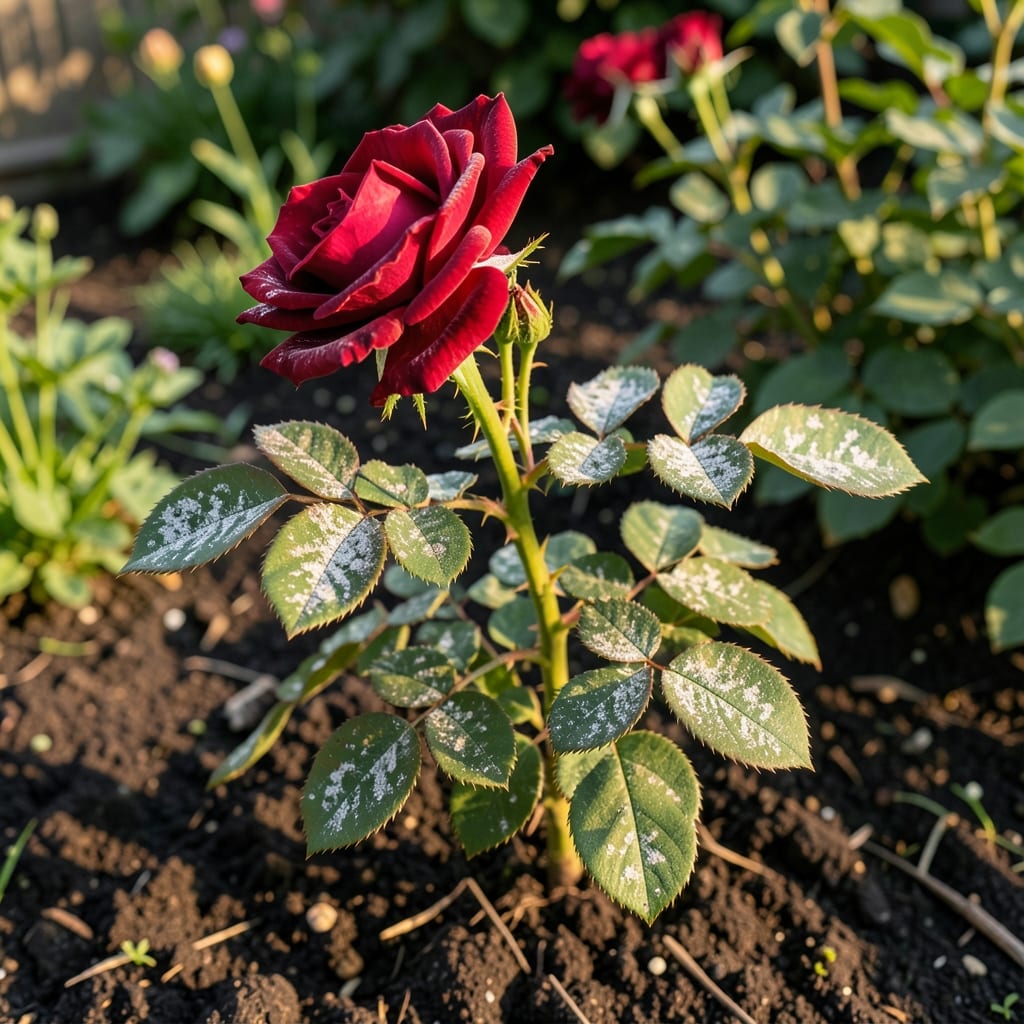
That white powder on your rose leaves isn’t dust. It’s mildew, and it spreads fast if you don’t act. I’ve lost entire bushes to this before learning the foolproof way to stop it.
Mildew thrives in damp, shady spots with poor air flow. The good news? You probably have the fix in your kitchen already. A simple spray can clear it up within a week.
Your roses will bounce back with healthier leaves and stronger blooms. No fancy chemicals required—just consistent care and a watchful eye.
Works for all rose types, from climbers to shrubs. Here’s how to save your plants before it’s too late.
Mildew on roses is a common issue, but understanding why it happens is the first step toward prevention. Here are the primary causes:
High humidity and damp conditions create the perfect breeding ground for mildew spores. Roses watered late in the day or in poorly drained soil retain moisture longer, encouraging fungal growth. Overhead watering worsens this by leaving foliage wet for extended periods.
Dense plantings or crowded rose bushes restrict airflow, trapping moisture around leaves. Powdery mildew, in particular, thrives in stagnant, humid air. Pruning for better ventilation and spacing plants properly can significantly reduce risk.
Cool nights (50–60°F) followed by warm days (70–80°F) stress roses and promote mildew development. These conditions are ideal for spore germination, especially in shaded areas where dew lingers longer.
Over-fertilizing with nitrogen creates lush, soft growth that’s more susceptible to fungal attacks. Conversely, potassium-deficient roses have weaker cell walls, making them easier targets for mildew.
Addressing these factors—through proper watering, pruning, and balanced feeding—helps keep roses mildew-free.
Tackling mildew on your roses starts with identifying the type and applying the right fix. Here’s how to restore your garden’s beauty with simple, effective solutions.
Mix 1 tablespoon baking soda, 1 teaspoon liquid soap, and 1 gallon of water. Spray this solution evenly on affected leaves, focusing on the undersides where mildew often hides. Reapply every 7–10 days or after rain. Prevention tip: 💡 Space your roses to improve airflow and reduce humidity buildup.
For downy mildew, use a copper-based fungicide (available at garden centers). Follow the label instructions, applying it at the first sign of yellow spots or fuzzy growth. Prevention tip: ✨ Water at the base of the plant to keep leaves dry, as wet foliage encourages this type of mildew.
Trim overcrowded stems and remove all infected leaves to stop the spread. Use clean, sharp shears and disinfect them between cuts with rubbing alcohol. Prevention tip: 🌡️ Plant roses in sunny spots (at least 6 hours of sunlight daily) to naturally inhibit mildew growth.
Apply neem oil (diluted as directed) weekly as both a treatment and preventive measure. It disrupts mildew’s lifecycle without harming beneficial insects. Prevention tip: 🎯 Remove fallen leaves and debris around the base to eliminate hiding spots for spores.
Pro tip: Always test sprays on a small area first to avoid damaging delicate rose varieties. Consistency is key—stick to your treatment schedule!
Powdery mildew appears as white powdery spots on top of leaves. Downy mildew shows yellow patches with fuzzy growth underneath. Check both sides of leaves for accurate identification.
It won’t kill them quickly, but severe cases weaken plants, reduce blooming, and can eventually cause defoliation. Early treatment prevents long-term damage.
Yes, mix 2 tablespoons apple cider vinegar with 1 gallon water and spray. Test on a small area first, as vinegar can burn leaves if too strong.
Avoid applying during peak heat (above 85°F). Early morning or evening is best to prevent leaf burn from the sun and baking soda combination.