
Beautiful Plants For Your Interior
Beautiful Plants For Your Interior
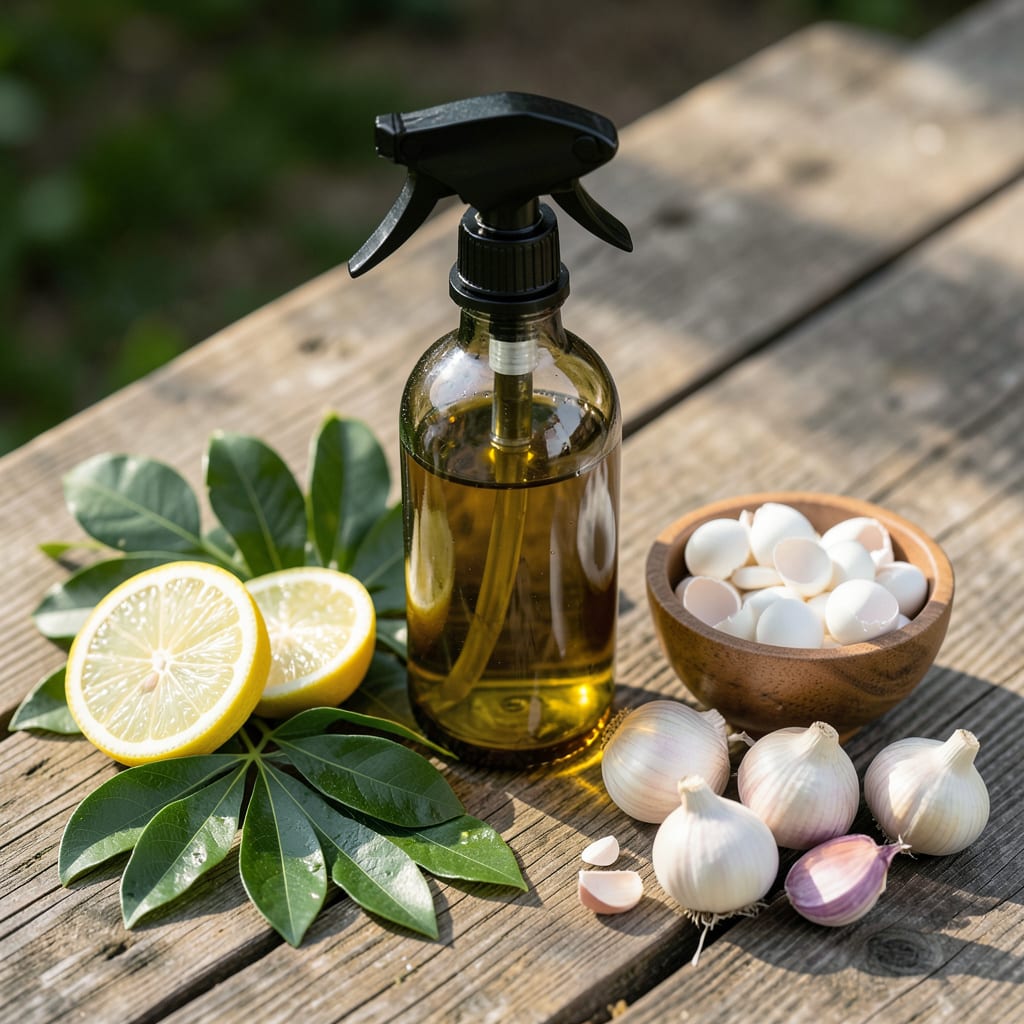
White dust on your leaves means trouble. Powdery mildew spreads fast, but I’ve stopped outbreaks cold with simple household solutions that work better than anything from the garden center.
Neem oil, baking soda sprays, and even milk have saved my zucchini, roses, and cucumbers. The trick is early intervention—catch it when you first see those white spots, before it coats entire leaves and stunts growth.
These treatments don’t just kill existing spores, they create a protective barrier against new infections. You’ll see improvement within 48 hours and complete recovery in a week with consistent application.
Works on vegetables, flowers, and shrubs without harsh chemicals. Here’s how to mix and apply them properly.
Powdery mildew is a common fungal disease that thrives under specific environmental conditions and plant vulnerabilities. Understanding its root causes helps you prevent and manage it effectively.
This fungus flourishes in humid environments (60-80% relative humidity) coupled with stagnant air. When moisture lingers on leaf surfaces—especially in crowded plantings or shaded areas—spores germinate rapidly. Erysiphe and Podosphaera species, common culprits, spread easily in greenhouses or dense gardens without proper ventilation.
Powdery mildew thrives in temperature swings: warm days (70-80°F) followed by cooler nights (50-60°F). These conditions create surface moisture (dew) that fuels spore growth. Unlike other fungi, powdery mildew doesn’t require free water—just high humidity—to infect plants.
Some plants are genetically prone to infection, including roses, squash, cucumbers, and grapes. New growth (tender leaves and stems) lacks the tough cuticle of mature foliage, making it easier for spores to penetrate. Over-fertilizing with nitrogen can also promote lush, weak growth that’s more vulnerable.
Watering from above—especially in the evening—prolongs leaf wetness, creating an ideal breeding ground. Drip irrigation or soaker hoses at the soil level reduce moisture on foliage, starving the fungus of its preferred conditions.
By addressing these triggers, you can disrupt the fungus’s lifecycle before it takes hold.
Powdery mildew doesn’t have to spell doom for your plants. With the right natural fixes, you can turn the tide and restore your garden’s health. Here’s how to tackle common causes with simple, effective solutions.
Stagnant air is a breeding ground for powdery mildew. Space out plants to allow airflow, and prune dense foliage to open up the canopy. For indoor plants, a small fan on low can work wonders. Prevention tip: 💡 Avoid overcrowding plants from the start.
Mildew thrives in damp conditions. Water plants at the base (not overhead) to keep leaves dry, and do it in the morning so moisture evaporates quickly. Use a dehumidifier indoors if needed. Prevention tip: ✨ Ensure good drainage in pots and garden beds.
Boost plant resilience with natural sprays. Mix 1 tablespoon of baking soda, 1 teaspoon of dish soap, and 1 gallon of water, then spray leaves weekly. Neem oil (diluted) is another powerhouse—apply at dusk to avoid leaf burn. Prevention tip: 🎯 Regularly inspect plants for early signs of mildew.
Healthy soil equals healthy plants. Add compost or organic matter to improve soil structure and nutrient content. Avoid over-fertilizing with nitrogen, which can promote soft growth that’s mildew-prone. Prevention tip: 🌡️ Test soil pH and adjust if needed (most plants prefer 6.0–7.0).
With these targeted fixes, you’ll not only stop powdery mildew in its tracks but also create an environment where it’s far less likely to return.
Apply sprays every 7-10 days as prevention, or every 3-5 days for active infections. Consistency is key—stopping too soon lets it return.
Most natural remedies are safe for vegetables, flowers, and shrubs. Always test on a small area first, especially on delicate plants like roses.
Yes, but dilute it properly: 2 tablespoons white vinegar per 1 gallon of water. Stronger mixes can harm leaves. Apply in the morning for best results.
Neem oil often shows results within 24-48 hours. Mix 1 tablespoon per gallon of water and spray thoroughly, including leaf undersides.
