
Beautiful Plants For Your Interior
Beautiful Plants For Your Interior
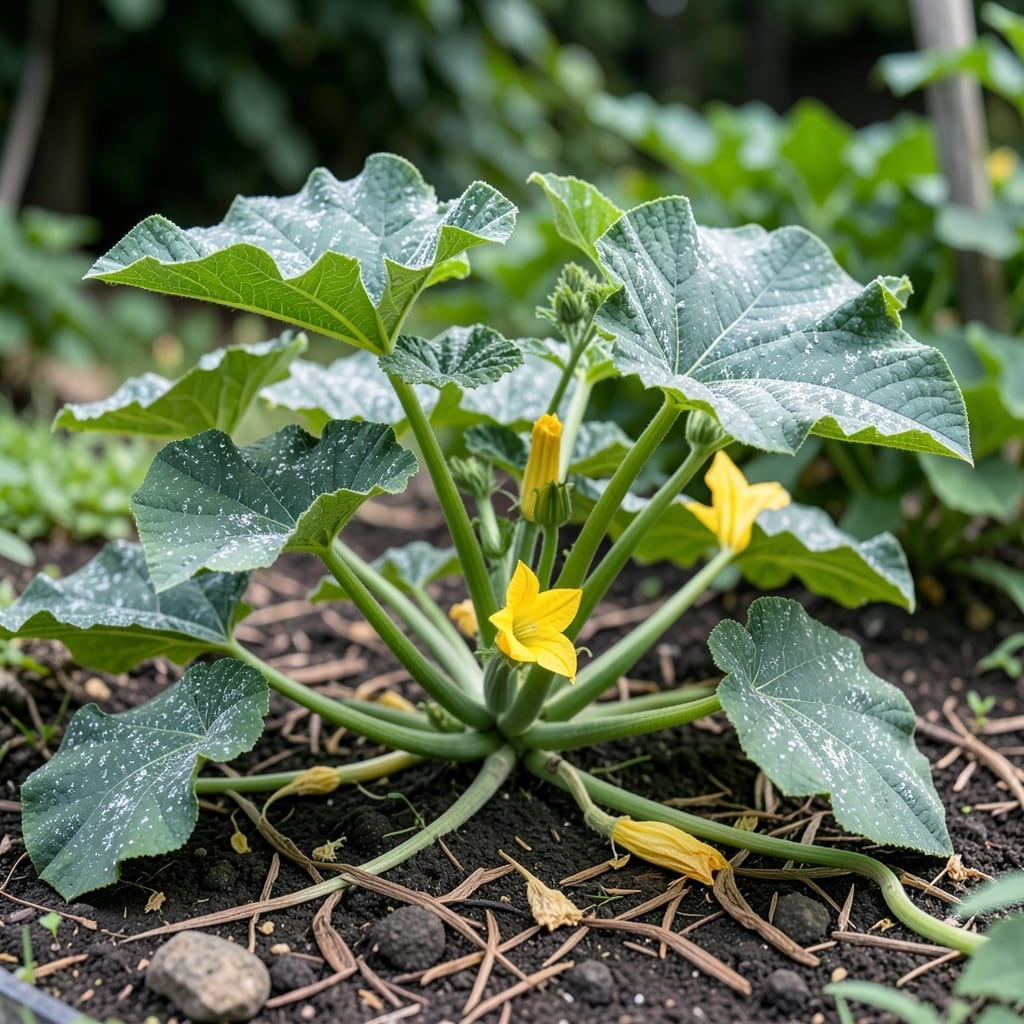
White powdery spots on your plants aren’t just unsightly—they’re mildew stealing nutrients. I’ve lost entire crops to this silent thief before learning to spot the early warning signs.
The culprit is usually poor air circulation or excess moisture. It starts as faint white patches, then spreads like wildfire across leaves. Catching it early means the difference between saving your plants and starting over.
With the right approach, you can stop the spread in 48 hours and prevent future outbreaks. The solution involves simple adjustments to watering, spacing, and a few household items.
Works for vegetables, flowers, and houseplants alike. Here’s how to reclaim your garden’s health.
Mildew on leaves thrives under specific conditions, often linked to environmental factors and plant health. Understanding these triggers helps prevent and manage outbreaks effectively.
High humidity and prolonged leaf wetness create the perfect breeding ground for fungal spores. Overhead watering, poor drainage, or dense plant spacing traps moisture, accelerating spore germination. Action: Water at the base of plants early in the day to allow foliage to dry quickly.
Mildew flourishes in temperatures between 60–80°F (15–27°C) with little air circulation. Crowded gardens or greenhouse settings often exacerbate this. Action: Prune overgrown areas and space plants properly to improve airflow.
Stressed or weakened plants—due to nutrient deficiencies, pests, or improper care—are more susceptible. Action: Maintain balanced fertilization and monitor for early signs of distress.
Fallen leaves or organic debris harbor spores, reinfecting plants. Action: Regularly remove dead foliage and garden waste to reduce spore sources.
Mildew on leaves is manageable with the right approach. Below are targeted fixes for common causes, along with prevention tips to keep your plants thriving.
Fungal growth thrives in damp conditions. Trim overcrowded leaves to boost air circulation, and water plants at the base in the morning so foliage dries quickly. Prevention tip: 💡 Use drip irrigation to avoid wetting leaves.
Prune and discard mildewed leaves immediately to stop spores from spreading. Disinfect tools with rubbing alcohol between cuts. Prevention tip: ✨ Clean up fallen debris regularly to reduce fungal food sources.
Space plants farther apart and consider a small fan to lower humidity. For greenhouse plants, ventilate daily to keep air moving. Prevention tip: 🎯 Group moisture-loving plants together to isolate humidity.
For stubborn cases, use a copper-based fungicide or a homemade mix of 1 tsp baking soda + 1 quart water + a drop of dish soap. Spray evenly on leaves every 7–10 days. Prevention tip: 🌿 Rotate treatments to avoid fungal resistance.
Under ideal fungal conditions, spores can spread to nearby plants within 24-48 hours. Isolate affected plants immediately and improve airflow to slow the progression.
Yes, spores can overwinter in soil and debris. Remove all infected plant material in fall and rotate crops to break the cycle.
A 1:3 vinegar-water solution can work as a mild fungicide, but test on a small area first. Vinegar may damage sensitive leaves.
Apply in the early morning when leaves are dry. This allows 6-8 hours of contact time before moisture sets in.