
Beautiful Plants For Your Interior
Beautiful Plants For Your Interior
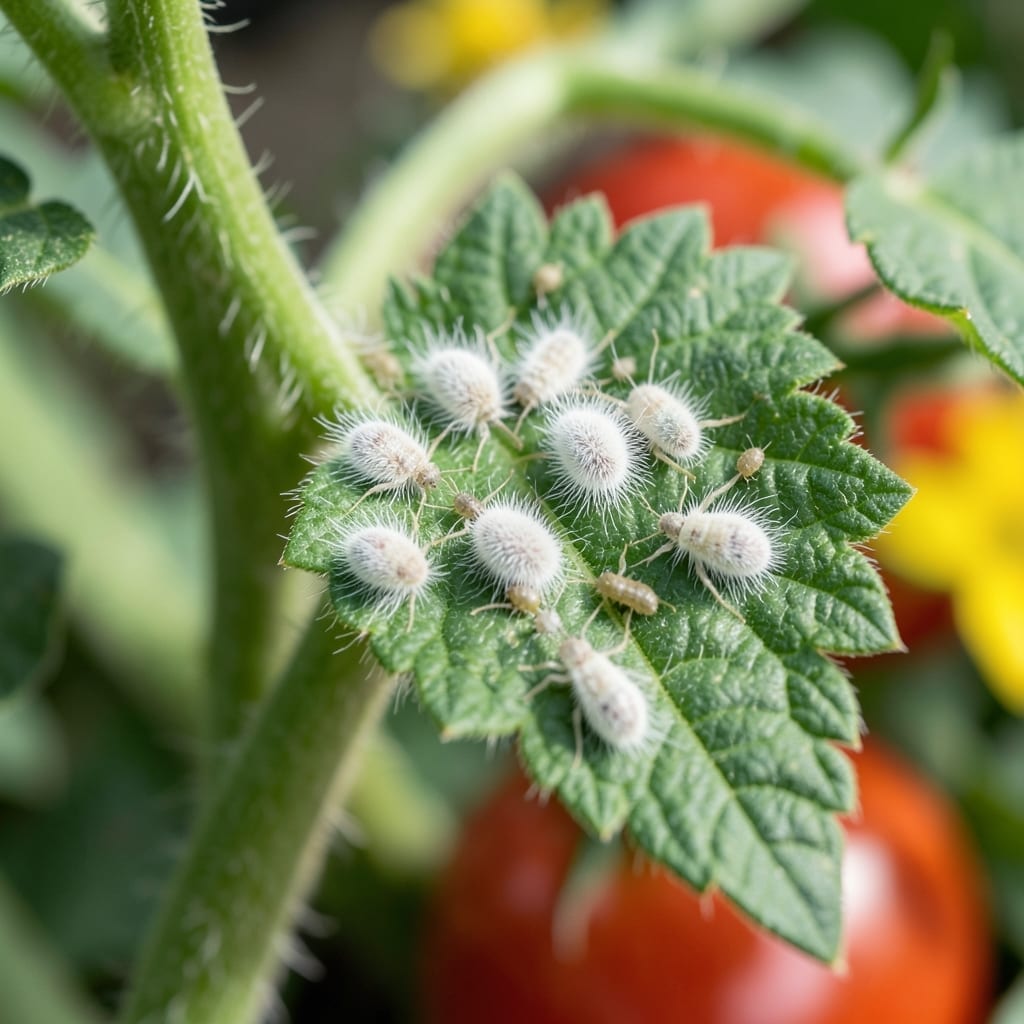
White fuzz on your tomato leaves isn’t mold—it’s mealybugs. I spotted the cottony clusters last summer and panicked, but a simple soapy water spray saved my plants within days.
These pests thrive in dry, still conditions, often hitching rides on new plants. They sucking sap from stems and leaves, stunting growth and spreading sooty mold. Early action prevents a full-blown infestation.
Non-toxic remedies work best: neem oil, insecticidal soap, or a blast of water to dislodge them. I rotate methods to keep them guessing and protect my tomatoes.
Check undersides of leaves weekly—catching them early means you’ll never lose a plant to these pests again. Prevention is easier than cure, and your tomatoes will thank you.
Mealybugs thrive on tomato plants due to a combination of environmental, biological, and cultural factors. Understanding these triggers helps you prevent and manage infestations effectively.
Mealybugs reproduce rapidly in warm, dry climates (70–80°F or 21–27°C). Low humidity weakens tomato plants, making them more susceptible to pests. These conditions also speed up the mealybug life cycle, leading to larger populations in a shorter time.
Tomatoes grown in crowded spaces or with poor air circulation create ideal hiding spots for mealybugs. Stress from underwatering, overwatering, or nutrient deficiencies further weakens plants, reducing their natural resistance to pests.
In gardens with limited biodiversity, mealybugs face fewer natural enemies like ladybugs, lacewings, or parasitic wasps. Overuse of broad-spectrum pesticides can also kill these beneficial insects, allowing mealybug populations to explode unchecked.
Mealybugs can hitchhike on infected soil, gardening tools, or new plants introduced to your garden. If previous crops had mealybugs, the pests may linger in the soil, ready to reinfest tomatoes. Always sterilize tools and inspect new plants before planting.
Mealybugs can be stubborn, but these targeted fixes will help you reclaim your tomato plants without harsh chemicals. Act fast—the sooner you intervene, the easier the battle!
For small infestations, grab a cotton swab dipped in rubbing alcohol (70% isopropyl) and gently dab each mealybug. The alcohol dissolves their protective waxy coating, killing them on contact. Do this every 2–3 days until they’re gone.
Prevention tip: 💡 Inspect new plants before bringing them near your tomatoes to avoid hitchhiking pests.
Mix 1 tbsp mild liquid soap (like Castile) with 1 liter of water and a tsp of neem oil (optional for extra punch). Spray directly on bugs and affected areas, focusing on leaf undersides where they hide. Reapply every 4–5 days for 2 weeks.
Prevention tip: 🌡️ Avoid over-fertilizing—mealybugs love nitrogen-rich, soft growth.
Release 10–15 ladybugs per plant at dusk (they’re less likely to fly away). These natural predators devour mealybugs at all life stages. Repeat weekly if needed.
Prevention tip: ✨ Plant companion flowers like marigolds or nasturtiums to attract beneficial insects year-round.
For heavily infested stems or leaves, prune and destroy them (don’t compost!). Isolate the plant to prevent spreading, and wipe down nearby surfaces with soapy water to remove lingering eggs.
Prevention tip: 🎯 Keep your garden tidy—remove dead leaves and debris where pests can overwinter.
Look for white cottony clusters on leaf undersides or stems. Yellowing leaves or sticky residue (honeydew) are also telltale signs.
Not immediately, but severe infestations weaken plants and spread sooty mold. Young plants are most vulnerable. Act fast to prevent lasting damage.
Vinegar can burn plant tissues. Stick to soapy water or neem oil sprays instead. These are safer and equally effective.
Yes, they can hitchhike on tools, wind, or animals. Isolate affected plants and inspect nearby ones weekly.