
Beautiful Plants For Your Interior
Beautiful Plants For Your Interior
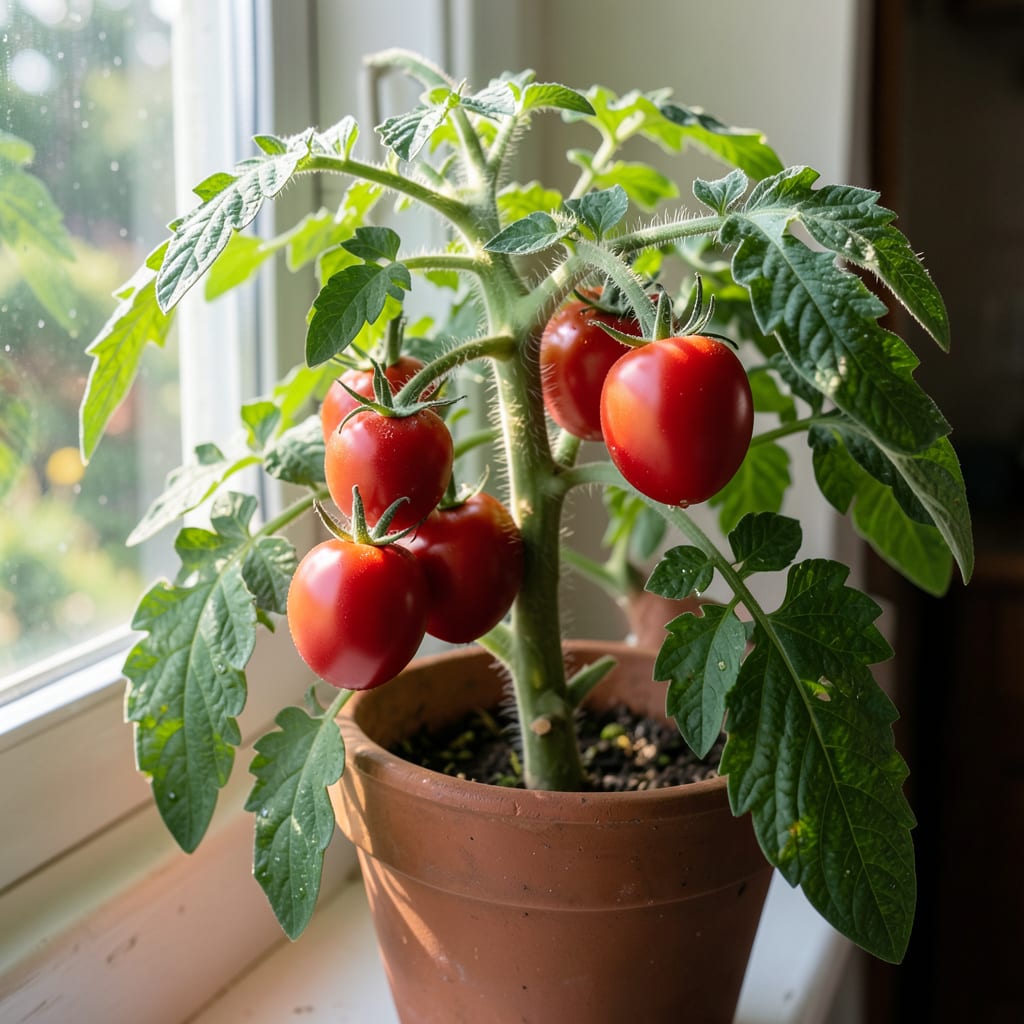
Spotted white fuzz on your tomato stems? Don’t panic—this is fixable. I’ve dealt with both mold and mealybugs, and the treatment changes based on what you’re actually seeing.
The fuzzy stuff could be fungal growth or a pest colony. Mealybugs leave cottony clusters, while mold looks more like a dusty coating. Either way, catching it early means saving your plants and harvest.
I’ll walk you through how to identify which one you’ve got and the exact steps to stop it in its tracks. No fancy equipment needed—just a sharp eye and 30 minutes of your time.
Prevention is simpler than you think. A little airflow and the right watering routine keeps this from coming back next season.
The white fuzz on your tomato stem is usually a sign of fungal growth or pest activity. Here are the primary causes:
Fungi like Sclerotinia sclerotiorum (white mold) or Botrytis cinerea (gray mold) thrive in cool, moist conditions. These pathogens produce white, cottony mycelium on stems, especially in crowded plantings with poor airflow. Overwatering or high humidity accelerates their spread.
Mealybugs are small, soft-bodied insects that secrete a white, waxy substance as they feed on plant sap. Their cotton-like clusters often appear in leaf axils or along stems. Warm, dry environments favor their reproduction, and they spread rapidly in greenhouse settings.
Frequent overhead watering keeps foliage and stems damp, creating an ideal environment for fungal spores to germinate. This is particularly problematic in dense tomato canopies where airflow is limited.
Infected plant debris or contaminated tools can introduce fungal spores or mealybugs to healthy plants. Failing to remove dead leaves or rotate crops increases the risk of recurring issues.
If you’ve spotted white fuzz on your tomato stems, act fast to save your plants. Here’s how to tackle the most common causes:
Improve airflow and reduce humidity to stop fungal spread. Remove affected stems with sterilized pruners and discard them (do not compost). Apply a copper-based fungicide or a homemade mix of 1 tsp baking soda + 1 quart water + a drop of dish soap. Spray weekly until the issue clears.
Prevention: Space plants 18–24 inches apart, water at the base (not overhead), and mulch to prevent soil splash.
Isolate the plant to prevent spreading. Wipe off visible bugs with a cotton swab dipped in rubbing alcohol (70%). For severe cases, spray with insecticidal soap or neem oil, covering stems and leaf undersides. Repeat every 3–5 days until gone.
Prevention: Inspect new plants before introducing them to your garden. Encourage natural predators like ladybugs or lacewings.
Let the soil dry slightly between waterings. Ensure pots have drainage holes, and amend garden soil with compost to improve drainage. Trim any waterlogged stems to prevent rot.
Prevention: Use a moisture meter to avoid overwatering, and plant in well-draining, raised beds if your soil is heavy.
💡 Pro tip: Early intervention is key! Check plants weekly for signs of trouble, and always sanitize tools between uses to avoid spreading issues.
Yes, it can be. If it’s mold, it can spread and weaken the plant. Mealybugs also sap plant strength and attract other pests. Treat it quickly to prevent damage to stems and leaves.
Mold looks like a dusty or powdery coating, while mealybugs appear as cottony clusters. Check for tiny bugs in the fuzz—if they move when disturbed, it’s mealybugs.
A mix of 1 tsp baking soda + 1 quart water + dish soap works for mold. For mealybugs, dab them with a cotton swab soaked in rubbing alcohol (70%).
It can if left untreated. Isolate the affected plant and avoid touching others until you’ve addressed the issue. Always sanitize your tools after pruning.
