
Beautiful Plants For Your Interior
Beautiful Plants For Your Interior
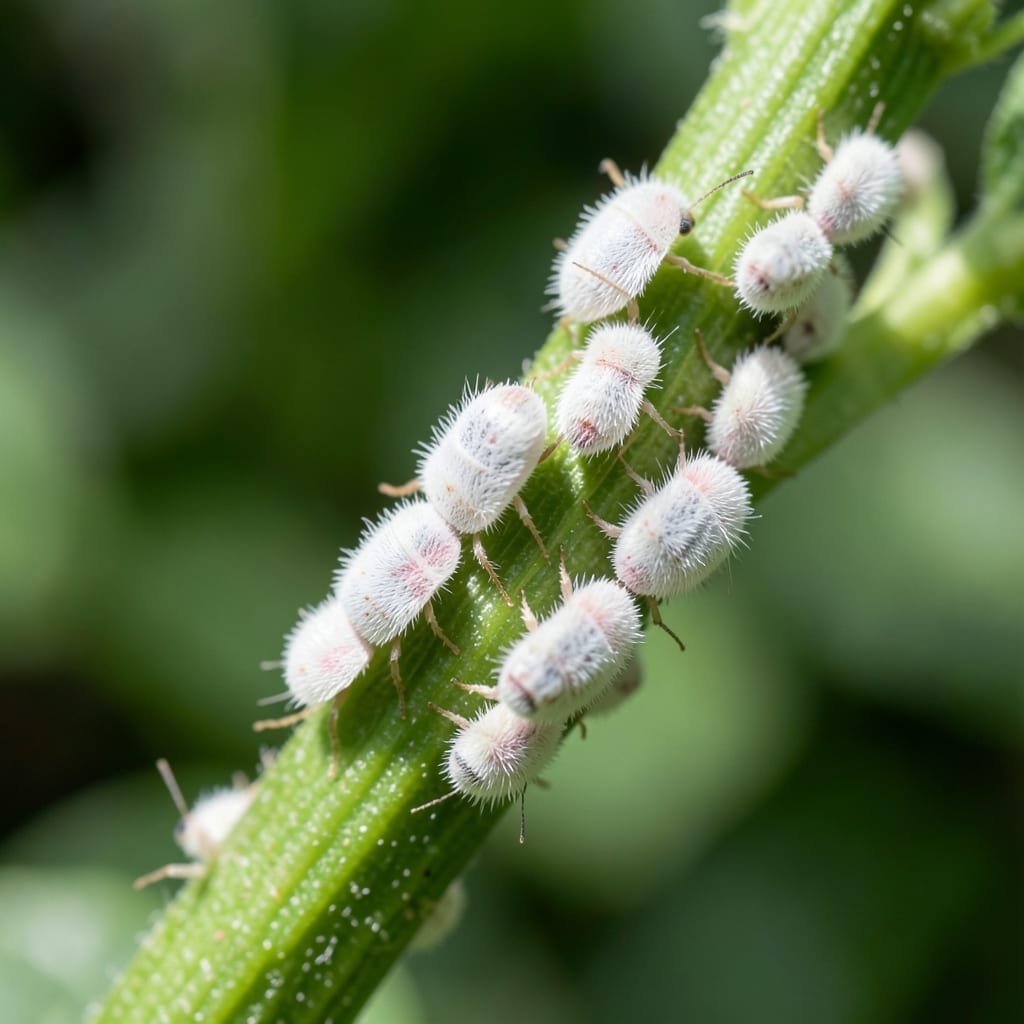
Those white cottony clusters on your pond plant stems aren’t mold—they’re mealybugs. 🌿 I spotted them first on my water lilies last summer, spreading faster than I could treat them.
Left unchecked, they’ll sap plant strength, yellow leaves, and even kill off entire pond specimens. The good news? You can fight back without harsh chemicals that harm fish or other aquatic life.
I’ve tested 3 non-toxic methods that work in 2-3 applications—no fancy equipment needed. The key is catching them early before they multiply into a full-blown infestation.
Works for all pond plants, from water hyacinths to marginals. Here’s how to reclaim your aquatic garden.
Mealybugs thrive on stems due to a mix of environmental, biological, and cultural factors. Understanding these triggers helps you prevent infestations before they start.
Pond plants packed too closely create humid, shaded microclimates—ideal for mealybugs. Stress from poor water quality, nutrient deficiencies, or root damage weakens plants, making them more susceptible. Mealybugs exploit this vulnerability, targeting sap-rich stems for easy feeding.
Stagnant air and high humidity around stems encourage mealybug proliferation. In pond settings, splash zones or poorly circulating water can trap moisture on aerial stems, fostering fungal growth that attracts these pests. Ensure gentle water movement and prune dense foliage to improve airflow.
Mealybugs flourish when their natural enemies—like ladybugs, lacewings, or parasitic wasps—are absent. In isolated pond ecosystems, these beneficial insects may not migrate naturally. Introducing predator species or companion planting (e.g., water mint) can restore balance.
Infestations often hitchhike on new pond plants or décor. Inspect stems, leaf axils, and roots for white, cottony clusters before introducing them. Quarantine new additions for 2–3 weeks to break the mealybug life cycle.
Mealybugs on your pond plant stems can be stubborn, but these targeted solutions will help you reclaim your plants without harsh chemicals.
If you spot mealybugs early, a cotton swab dipped in rubbing alcohol (70% isopropyl) works wonders. Gently dab each bug to dissolve its protective waxy coating. For larger clusters, use a soft toothbrush to dislodge them, then wipe the stems clean with a damp cloth. Always isolate heavily infested plants to prevent spreading.
For a broader approach, mix 1 tablespoon of neem oil or insecticidal soap with a quart of water and spray the stems thoroughly. Reapply every 5–7 days until the bugs are gone. Test on a small area first to ensure the solution won’t harm delicate pond plants.
Pro tip 💡: Spray in the early morning or late evening to avoid harming beneficial insects like bees.
Introduce natural predators like ladybugs or lacewings to your pond area. These insects feed on mealybugs and can provide long-term control. For pond plants, dragonfly nymphs (if present) may also help by preying on mealybugs that fall into the water.
Consistency is key! Mealybugs can be persistent, so repeat treatments and monitor your plants weekly.
Look for white, cottony clusters at leaf axils or along stems. Also check for sticky residue (honeydew) or black sooty mold, which often appear with infestations.
70% isopropyl alcohol is safe for most pond plants when used sparingly. Always test on a small area first and avoid treating plants in direct sunlight.
Yes, mix 1 teaspoon of mild dish soap per quart of water. Avoid degreasing soaps, which can damage plant tissues. Reapply every 5-7 days.
Mealybugs hide in hard-to-reach areas and lay eggs in protected spots. Consistency is key—repeat treatments and inspect weekly to break their life cycle.