
Beautiful Plants For Your Interior
Beautiful Plants For Your Interior
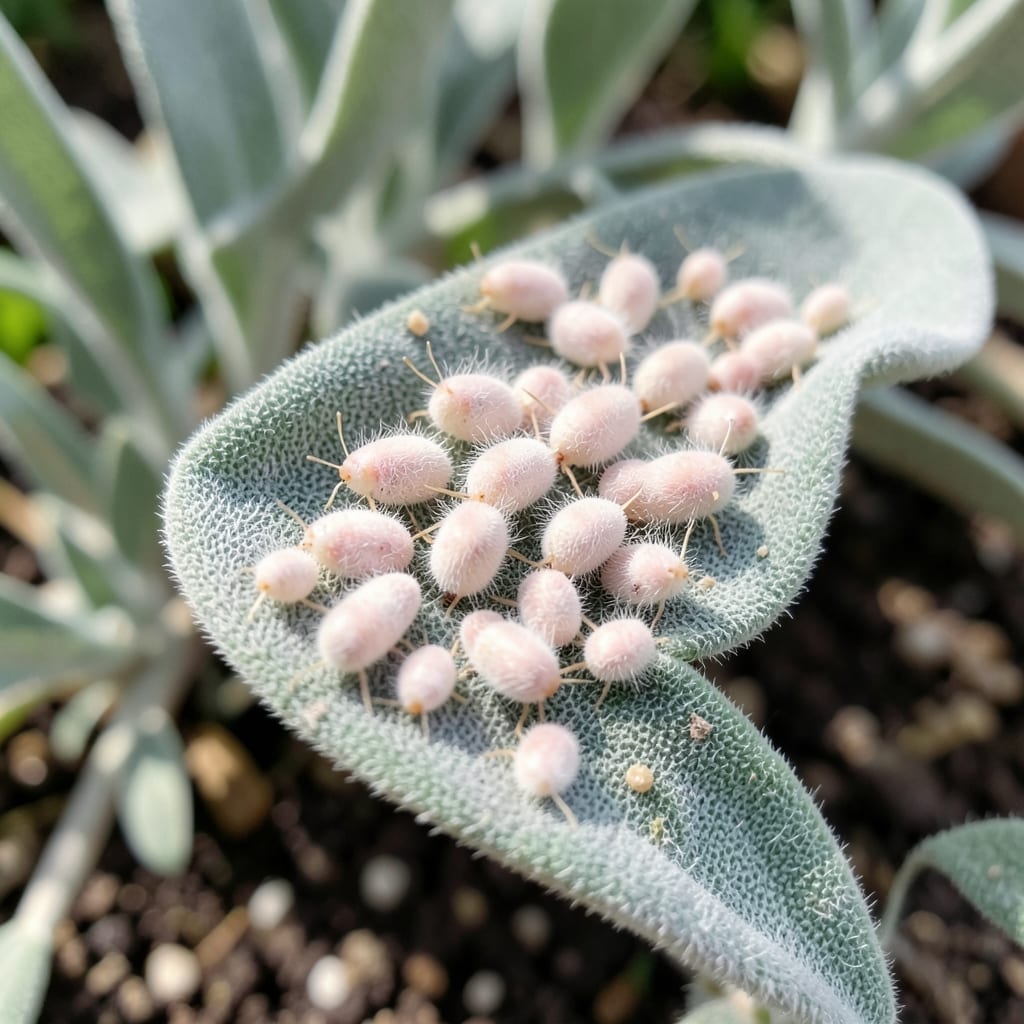
White cottony clusters on your sage leaves mean trouble. 🌿 These pests drain plant vigor, leaving behind weak growth and sticky residue that attracts ants. I’ve battled mealybugs on my herbs, and the key is catching them early before they spread.
Organic solutions work best for sage. A simple spray of diluted rubbing alcohol or insecticidal soap knocks them back fast. For prevention, ensure good air circulation and avoid overwatering—mealybugs love damp, crowded conditions.
Healthy sage resists pests naturally. Regular inspections, especially under leaves, help you spot problems before they escalate. The plant rewards your vigilance with fragrant, vibrant foliage.
With consistent care, your sage will thrive. These methods keep your plants strong without harsh chemicals, so you can enjoy fresh herbs all season long.
Mealybugs thrive on sage plants due to several environmental and cultural factors. Understanding these causes helps prevent infestations before they start. Below are the most common triggers for mealybug outbreaks on sage.
Mealybugs flourish in low-humidity environments, which are common in indoor or arid outdoor settings. Sage plants grown in dry air lose their natural defenses, making them more susceptible to pests. These insects extract sap more easily from stressed, dehydrated foliage.
Inconsistent watering—either underwatering or overwatering—weakens sage plants. Overwatering leads to root rot, reducing the plant’s vigor, while underwatering causes stress, both of which attract mealybugs. These pests target weakened plants that can’t fend off infestations.
When sage plants are spaced too closely, air circulation is restricted, creating a humid microclimate that mealybugs love. Poor airflow also slows the drying of foliage, encouraging pest colonization. Proper spacing (18–24 inches apart) helps deter these insects.
Mealybugs multiply rapidly when their natural enemies—like ladybugs, lacewings, or parasitic wasps—are absent. Overuse of chemical pesticides can kill these beneficial insects, leaving sage plants vulnerable. Encouraging a diverse garden ecosystem helps keep mealybug populations in check.
Tackling mealybugs on your sage plants starts with quick action and consistent care. Below are practical solutions to eliminate these pests and restore your plant’s health.
For small infestations, handpick the bugs or use a cotton swab dipped in rubbing alcohol to wipe them off. Focus on the undersides of leaves and stem joints where they hide. This method is immediate and chemical-free.
Apply a homemade insecticidal soap (1 tsp mild dish soap + 1L water) or neem oil (2 tbsp oil + 1L water + 1 tsp soap as emulsifier). Spray thoroughly every 3–5 days until the mealybugs are gone. These disrupt their lifecycle without harming beneficial insects.
Release ladybugs, lacewings, or parasitic wasps—natural predators of mealybugs. This is a long-term, eco-friendly way to keep populations in check, especially in outdoor gardens.
Consistency is key—repeat treatments as needed, and monitor your sage closely for signs of reinfestation.
Check leaf joints and undersides for white, cottony clusters. Early signs include sticky residue or ants on the plant. Regular inspections catch them before they spread.
Yes! Mix 1 tsp dish soap with 1L water for a spray. A cotton swab dipped in rubbing alcohol works for spot treatment. Reapply every 3–5 days.
Overcrowding, poor airflow, or dry conditions invite reinfestation. Improve spacing to 18–24 inches and maintain consistent watering. Natural predators like ladybugs help too.