
Beautiful Plants For Your Interior
Beautiful Plants For Your Interior
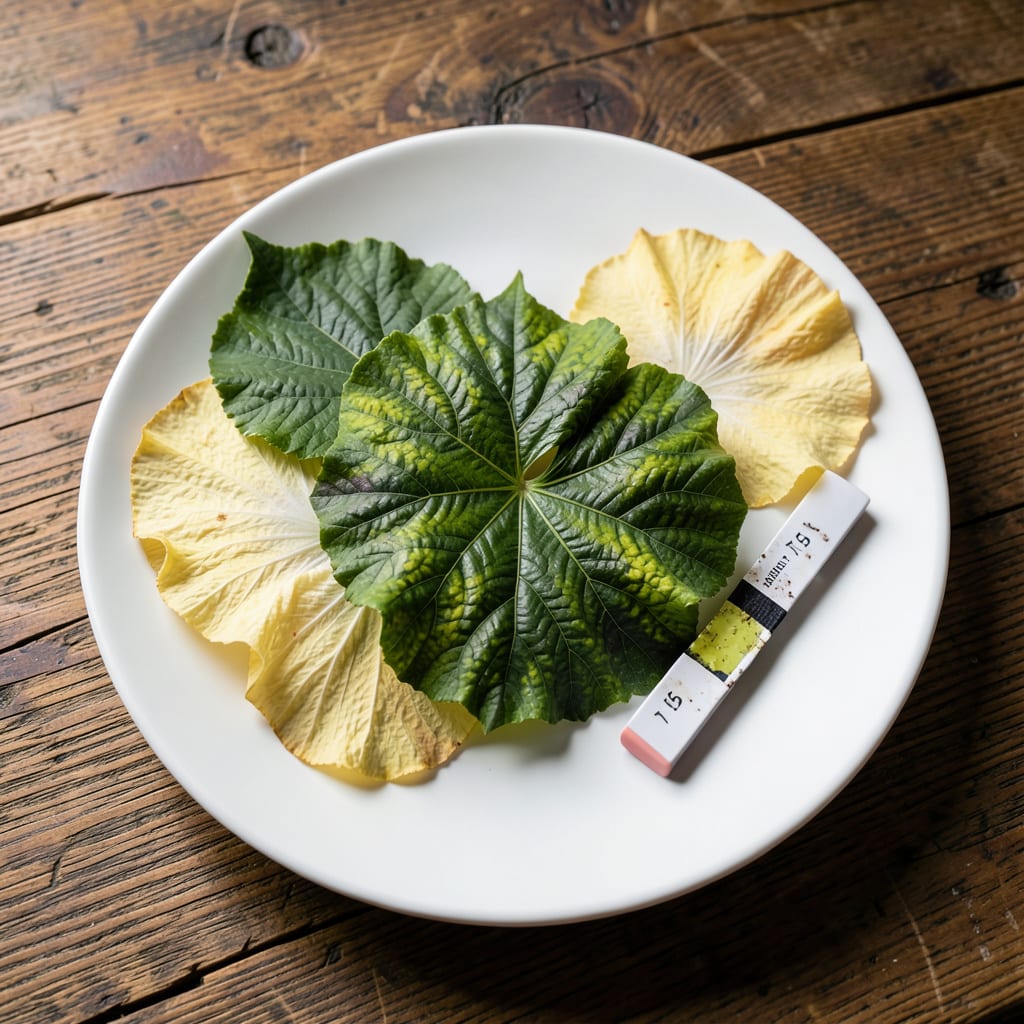
Yellow leaves and dark spots on your hibiscus aren’t just unsightly—they’re distress signals. I’ve seen both ruin a perfectly good plant in 2 weeks if ignored.
Most issues stem from simple fixes: watering habits, sunlight, or pests you might overlook. The good news? With the right diagnosis, your hibiscus can bounce back with vibrant green leaves and abundant blooms.
📚 In This Guide
Here’s how I systematically identify and address leaf issues without guessing.
Start by noting whether yellowing appears between the veins (interveinal chlorosis) or uniformly across the leaf surface. Interveinal yellowing often signals iron deficiency in alkaline soils, while uniform pale yellow suggests nitrogen deficiency. I use a soil pH test to confirm—hibiscus prefers 6.0-7.0.
Check for mottled patterns or green veins on yellow leaves, which typically indicates micronutrient issues. Dark green veins with yellow tissue between them is classic magnesium deficiency. These visual cues are more reliable than generic symptom charts.
Look closely at leaf undersides with a hand lens for aphids, whiteflies, or spider mites. Their feeding causes stippling, curling, or distorted new growth. I tap leaves over white paper to spot moving pests—even a few can cause significant damage over time.
Check for chewed edges or holes, which indicate caterpillars or beetles. Also examine for webbing (mites), sticky residue (aphid honeydew), or black sooty mold growing on that residue. These secondary signs often appear before you spot the pests themselves.
Note spot color, size, and edges. Brown spots with yellow halos often indicate bacterial leaf spot, while purple-brown spots with concentric rings suggest fungal issues like Alternaria. I press a damp paper towel to spots—if color transfers, it’s likely bacterial.
Check if spots are raised, sunken, or have a greasy appearance. Fungal spots often have defined edges and may show fuzzy growth in humid conditions. Water-soaked spots that spread rapidly usually mean bacterial infection requiring immediate copper-based treatment.
Hibiscus leaves develop brown crispy edges from underwatering or low humidity, while yellowing with drooping suggests overwatering. I check soil moisture 2 inches down—it should feel slightly damp but not soggy. Root rot from poor drainage shows as sudden wilting that doesn’t recover after watering.
Also consider light exposure. Too much direct midday sun can scorch leaves, creating bleached patches, while insufficient light causes pale, thin leaves. I rotate pots weekly to ensure even light distribution and prevent one-sided growth.
For nutritional deficiencies, I apply chelated iron for interveinal chlorosis or Epsom salts (1 tablespoon per gallon) for magnesium issues. Always water deeply after applying soil amendments to help roots absorb nutrients. Yellowing from nitrogen deficiency responds well to balanced fertilizer.
For pests, I start with a strong water spray to dislodge soft-bodied insects, then apply neem oil or insecticidal soap at dusk to avoid harming beneficial insects. For fungal issues, remove affected leaves immediately and apply copper fungicide, ensuring complete coverage of both leaf surfaces.
Here’s how to refine your diagnosis and avoid the most common pitfalls when troubleshooting hibiscus leaf issues.
Diagnostic Precision: In Step 1, don’t rely on memory for leaf patterns—take photos of the affected leaves and compare them side-by-side with healthy ones. Interveinal chlorosis (yellowing between veins) is easy to misidentify if you’re only glancing. I keep a soil pH kit on hand because hibiscus thrives at 6.0-7.0, and even a slight deviation can trigger deficiencies.
Pest Detection Hack: For Step 2, the white paper trick is non-negotiable. Tap leaves over it, then use a magnifying glass to inspect the debris—aphids and spider mites are nearly invisible to the naked eye but leave telltale residue. If you see webbing, don’t waste time: isolate the plant immediately to prevent mites from spreading to others.
Spot Test Clarity: Step 3’s damp paper towel test for bacterial spots works best with distilled water to avoid false positives from tap water minerals. If the color transfers, act fast with copper-based treatment; bacterial infections can defoliate a hibiscus in days if left unchecked. Fungal spots, on the other hand, often have a textured, almost velvety appearance under magnification.
Environmental Check: In Step 4, the 2 inches down soil moisture rule is critical. Stick your finger in—if the top inch is dry but the second inch is damp, you’re in the ideal range. Brown crispy edges often mean low humidity, so consider a pebble tray with water beneath the pot if your air is dry.
Yellowing leaves often indicate overwatering, poor drainage, or nutrient deficiencies (like nitrogen or iron). Check soil moisture and ensure proper drainage. A balanced fertilizer can help restore vibrant green leaves.
Brown spots are usually caused by fungal infections (e.g., leaf spot disease) or bacterial blight. Remove affected leaves, improve air circulation, and avoid overhead watering. Fungicides may be needed for severe cases.
Water deeply 2-3 times a week, allowing the top inch of soil to dry out between waterings. Overwatering leads to root rot, while underwatering causes leaf drop. Adjust based on climate and soil type.
Yes! Aphids, spider mites, and whiteflies suck sap from leaves, causing yellowing, curling, or sticky residue. Inspect undersides of leaves and treat with insecticidal soap or neem oil if pests are present.
Prune yellow or spotted leaves immediately to prevent disease spread. Use clean shears and remove only affected areas. Best done in early morning or late afternoon to reduce plant stress.
