
Beautiful Plants For Your Interior
Beautiful Plants For Your Interior
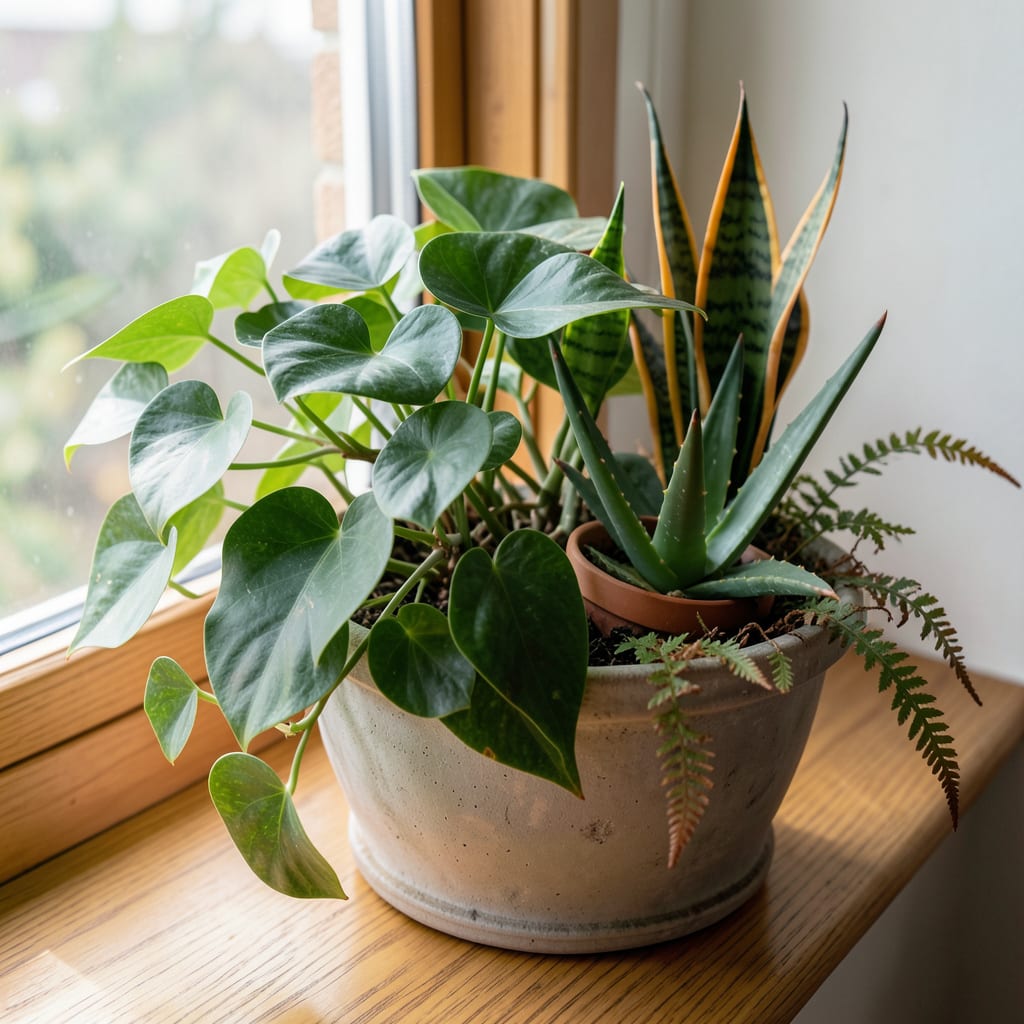
Brown tips on your plants are their way of waving a white flag. I’ve seen this happen with everything from ferns to snake plants, and the causes are usually simpler than you think.
The usual suspects are inconsistent watering, low humidity, or a buildup of salts from tap water or fertilizer. Sometimes it’s just the plant reacting to a sudden change in its environment, like a draft or too much direct sun.
The good news? Most cases are reversible. With a few adjustments to your care routine, you can stop the spread and even see new, healthy growth within 2-3 weeks.
No fancy tools or chemicals needed—just observation and a little patience. Let’s figure out what your plant is trying to tell you.
Brown tips on plants often signal underlying issues that disrupt their health. Here are the most common causes, explained scientifically and actionably:
Plants need consistent moisture, but extremes can damage them. Underwatering leads to dry, crispy tips as cells lose turgor pressure. Meanwhile, overwatering suffocates roots, preventing oxygen uptake and causing tip burn from nutrient imbalances. Check soil moisture 1-2 inches deep—water only when dry.
Tropical plants, like peace lilies or spider plants, thrive in humidity above 40%. Dry air (common indoors) pulls moisture from leaves, leading to brown edges. Use a humidifier or mist leaves regularly to counteract this.
Tap water or excessive fertilizer leaves mineral deposits (e.g., chlorine, fluoride, or sodium) in the soil. These salts accumulate at leaf tips, burning them. Flush the soil with distilled water monthly to remove buildup.
Too much fertilizer increases soil salinity, causing fertigitation burn. Nitrogen and potassium excesses specifically target leaf margins. Follow label instructions and fertilize only during active growth periods.
Spider mites, aphids, or fungal infections (like leaf spot) can cause localized browning. Inspect leaves for webbing, spots, or sticky residue. Treat with neem oil or insecticidal soap for pests, and improve airflow to prevent fungal growth.
Addressing brown tips on plants starts with identifying the root cause. Here’s how to tackle each issue effectively:
Fix: Check the soil moisture by inserting your finger an inch deep. If it’s dry, water thoroughly until it drains from the bottom. If soggy, let the soil dry out before watering again. Ensure pots have drainage holes to prevent waterlogging.
Prevention: Use a moisture meter or stick to a consistent watering schedule. Group plants with similar water needs together.
Fix: Move plants away from direct, harsh sunlight, especially during peak hours. For low humidity, mist leaves regularly or place a tray of water with pebbles near the plant to increase moisture in the air.
Prevention: Research your plant’s ideal light and humidity conditions. Consider using a humidifier for tropical plants.
Fix: Flush the soil with distilled or rainwater to remove excess salts and minerals. Repot the plant with fresh, well-draining soil if the buildup is severe.
Prevention: Use filtered or distilled water for sensitive plants. Fertilize sparingly and follow package instructions.
Fix: Gently remove the plant from its pot and inspect the roots. Trim any black, mushy roots and repot in fresh, nutrient-rich soil. Loosen compacted soil to improve aeration.
Prevention: Repot plants every 1-2 years or when roots outgrow the container. Use a well-balancing potting mix suited to your plant type.
With these targeted solutions, your plants can bounce back to vibrant health! 🌿
Unfortunately, no. Once leaf tips turn brown, that tissue is dead. The good news is new growth will be healthy if you address the underlying cause. Trim the brown tips with clean scissors to improve appearance and redirect energy.
Flush soil every 4-6 weeks for plants sensitive to tap water or fertilizer buildup. Use room-temperature distilled or rainwater, running it through the pot for 2-3 minutes to remove excess salts.
Misting helps temporarily but isn’t a long-term solution. For tropical plants, aim for 40-60% humidity. A humidifier or pebble tray with water works better for consistent moisture.
Leaf tips are the farthest from the plant’s water and nutrient supply. They show stress first because they’re the last to receive resources and the first to lose moisture. Think of them as the plant’s early warning system.
