
Beautiful Plants For Your Interior
Beautiful Plants For Your Interior
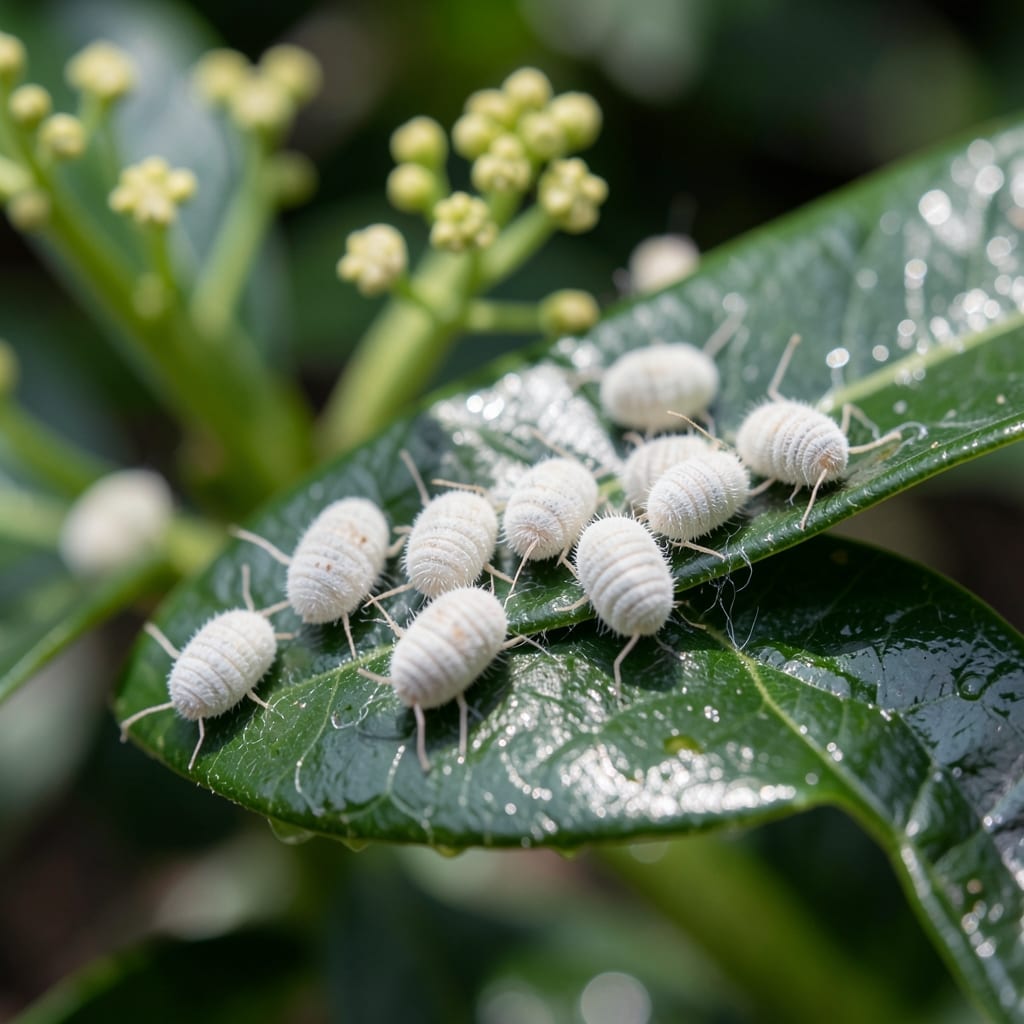
White cottony clusters on your palmeria mean mealybugs have moved in. I first spotted them on my plant last summer, and ignoring the problem nearly cost me the entire plant.
The good news is these pests are slow-moving and easy to treat if you act fast. An organic spray of soap and water can knock them out in 2-3 treatments, and the process takes 10 minutes per application.
You’ll see the difference within days as the bugs disappear and new growth returns. The key is consistent application and checking all the leaf axils where they love to hide.
Works for indoor and outdoor plants, and keeps your palmeria healthy for the next growing season. Here’s the step-by-step method that saved mine.
Mealybugs thrive on Palmeria plants due to a combination of environmental and cultural factors. Here’s why they appear and how to address the root causes:
Excess moisture creates a humid environment that mealybugs love. Overwatering Palmeria weakens its natural defenses, making it easier for pests to take hold. Ensure the soil is well-draining and only water when the top inch feels dry.
Stagnant air traps humidity around the plant, encouraging mealybug growth. Place your Palmeria in a spot with gentle airflow, or use a small fan to improve ventilation. This simple step can deter infestations before they start.
Mealybugs multiply rapidly in warm, protected environments (70–80°F). Indoor Palmeria or those in greenhouses are especially vulnerable. Monitor temperature and introduce natural predators like ladybugs if conditions are ideal for pests.
Plants under stress from poor nutrition, transplant shock, or root damage are more susceptible. Strengthen your Palmeria with balanced fertilizer and avoid over-handling to reduce vulnerability.
Mealybugs can be stubborn, but these targeted solutions will help you reclaim your Palmeria’s health. Start by isolating the affected plant to prevent the pests from spreading to others. Then, tackle the issue with these proven fixes:
If you catch the problem early, a cotton swab dipped in rubbing alcohol (70% isopropyl) can be your best friend. Gently dab each mealybug to dissolve its protective coating and kill it on contact. For larger clusters, use a soft toothbrush soaked in the same solution to scrub them off. Repeat every 2–3 days until no signs remain.
For bigger outbreaks, mix 1 tablespoon of dish soap + 1 cup of water + 1 tablespoon of vegetable oil in a spray bottle. Shake well and apply directly to the bugs, focusing on leaf axils and undersides where they hide. Neem oil (diluted as directed) is another organic powerhouse—it disrupts their life cycle. Spray in the early morning or late evening to avoid leaf burn.
Pro tip ✨: After treatment, wipe down leaves with a damp cloth to remove residual pests and honeydew, which can attract ants or sooty mold.
Inspect your palmeria weekly during warm months, focusing on leaf axils and undersides. Mealybugs multiply quickly in ideal conditions, so early detection is key to preventing a full infestation.
While vinegar kills some pests, it’s less effective for mealybugs and may damage your palmeria’s leaves. Stick with 70% isopropyl alcohol for best results without harming the plant.
Mealybugs hide in hard-to-reach areas. Ensure you treat all crevices and repeat applications every 2-3 days for 2 weeks to break their life cycle. Also, isolate treated plants to prevent re-infestation.