
Beautiful Plants For Your Interior
Beautiful Plants For Your Interior
That gorgeous orchid from the store won’t stay alive with just good intentions. I’ve killed my share by following generic “water weekly” advice—turns out, these plants demand a different approach. The right technique keeps them blooming for months, not weeks, and it’s simpler than you’d expect once you understand their needs. Most store-bought orchids (usually […]
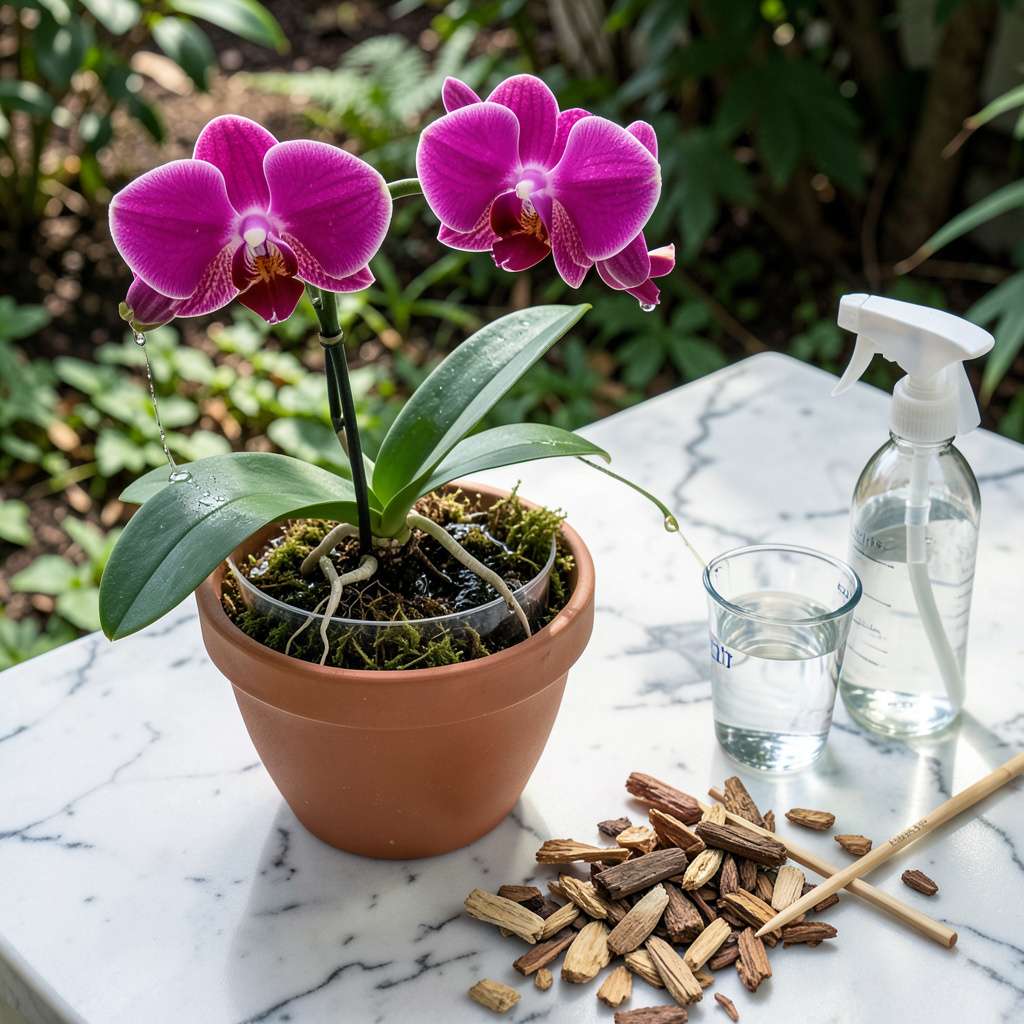
That gorgeous orchid from the store won’t stay alive with just good intentions. I’ve killed my share by following generic “water weekly” advice—turns out, these plants demand a different approach. The right technique keeps them blooming for months, not weeks, and it’s simpler than you’d expect once you understand their needs.
Most store-bought orchids (usually phalaenopsis) die from overwatering, not neglect. They’re epiphytes in the wild, meaning their roots need air as much as moisture. I switched to the “ice cube method” after drowning three plants, and now my collection thrives with minimal effort. The key is watching the roots and medium, not the calendar.
You’ll know you’re doing it right when the roots stay plump and silvery-green, and new flower spikes emerge from the base. Underwatered plants get wrinkled leaves, while soggy roots turn brown and mushy. Once you nail the balance, those exotic blooms keep coming—some of mine have rebloomed three times from the same plant.
Works for grocery store finds, gift orchids, or fancy nursery specimens. The same principles apply whether you’re growing in bark, moss, or those clear plastic pots they come in. Here’s exactly how to make them last!
📚 In This Guide
Orchids are easier to care for than you think—here’s my foolproof method for keeping them healthy and blooming.
Start by examining your orchid’s roots and potting medium. Lift the plant gently from its decorative pot (most store-bought orchids come in a plastic inner pot) to inspect the roots. Healthy roots should be silver-green when dry and bright green when wet—this color change is your best indicator of when to water.
Look at the potting medium too. It’s usually bark chips, which should feel slightly damp but not soggy when properly watered. If the medium looks dark and feels moist, wait a few more days. If it’s light-colored and dry, it’s time to water. I always check both roots and medium because sometimes the top dries out while the bottom stays wet.
Fill a bowl or sink with room-temperature water (about 3-4 inches deep) and place the orchid’s inner pot in it. Let it soak for 10-15 minutes—this gives the bark time to absorb moisture thoroughly. You’ll see bubbles rising as air escapes from the medium, which means water is reaching all areas.
After soaking, lift the pot and let it drain completely for 5-10 minutes. I usually place it on a wire rack or upside-down in the sink to ensure all excess water drips out. Never let orchids sit in standing water—this is the fastest way to rot the roots. The pot should feel noticeably lighter when properly drained.
Once fully drained, return the orchid to its decorative pot. Choose a spot with bright, indirect light—east or north-facing windows work well. Avoid direct sunlight, which can scorch leaves, or deep shade, which prevents blooming. I’ve found that a spot where I can comfortably read without overhead lights works perfectly.
Check the temperature too. Orchids thrive in 65-80°F during the day with a 10°F drop at night. This temperature fluctuation actually encourages blooming. If your home stays consistently warm, try moving the plant to a cooler room overnight—this simple change often triggers new flower spikes.
Most orchids need watering every 7-10 days, but this varies by environment. In dry climates or heated homes, you might water every 5-7 days. The key is watching the roots and medium, not the calendar. I water mine when the roots turn that silvery color and the bark feels dry to the touch.
Between waterings, maintain 40-70% humidity around your orchid. A simple pebble tray with water beneath the pot works wonders. Just fill a shallow tray with pebbles, add water until it’s just below the pebble tops, and place your orchid pot on it. The evaporating water creates the perfect humid microclimate without wetting the roots.
After years of trial and error (and yes, we’ve killed our share of orchids), we’ve learned these simple tricks make all the difference in keeping them thriving.
Root Color Check: In Step 1, pay special attention to the root color change from silver-green to bright green when wet. This visual cue is more reliable than any watering schedule. I once overwatered for weeks because I followed a calendar instead of watching the roots – don’t make my mistake! The color shift happens within hours of watering, so check daily until you learn your orchid’s rhythm.
Soaking Technique: During the 10-15 minute soak in Step 2, you should see bubbles rising from the bark – this means water is properly penetrating the medium. If you don’t see bubbles after 5 minutes, gently swirl the pot in the water to dislodge air pockets. Also, use only room-temperature water; cold water can shock the roots while hot water may damage them.
Drainage Matters: The 5-10 minute draining period after soaking is critical. I place my orchids on a wire cooling rack (the kind used for baking) to ensure complete drainage. You’ll feel the pot get noticeably lighter as excess water drips away. Any standing water left in the pot will suffocate roots within days.
Temperature Fluctuation: The 10°F nighttime temperature drop mentioned in Step 3 isn’t just good advice – it’s essential for blooming. If your home stays warm overnight, try placing your orchid in a cooler room (like a basement) for 12 hours. This simple change often triggers new flower spikes when nothing else works.
Most orchids (like Phalaenopsis) thrive with watering once every 7–10 days. Check the roots: if they’re silvery-green, it’s time to water; if they’re bright green, wait. Overwatering is the #1 killer—when in doubt, err on the dry side!
While some growers swear by the ice cube method (1–3 cubes weekly), it’s not ideal for all orchids. Cold temps can shock roots, and uneven melting may lead to rot. Stick to room-temperature water for consistent moisture without stress.
Wrinkled leaves often signal underwatering or root damage. If the roots look mushy (overwatered) or shriveled (thirsty), adjust your routine. Soak the pot for 10–15 minutes, then let it drain fully. Recovery takes 2–4 weeks with proper care.
Avoid tap water if it’s hard or chlorinated—rainwater, distilled, or filtered water is safest. If using tap, let it sit out 24 hours to dissipate chemicals. Pro tip: Lukewarm water mimics tropical rain, reducing shock!
Brown, squishy roots = root rot from overwatering. Trim dead roots with sterilized scissors, repot in fresh bark mix, and skip watering for 5–7 days. Prevent future rot with a well-draining pot and a strict watering schedule.
With the right watering routine, your store-bought orchid can thrive for months—or even years! 🌸 Remember: less is more, so stick to the soak-and-dry method, use room-temperature water, and always drain excess moisture. Patience and consistency will reward you with stunning blooms and healthy growth.
Now that you’ve mastered watering, why not explore light and humidity tips to take your orchid care to the next level? Your green thumb journey is just getting started! 🌿
