
Beautiful Plants For Your Interior
Beautiful Plants For Your Interior
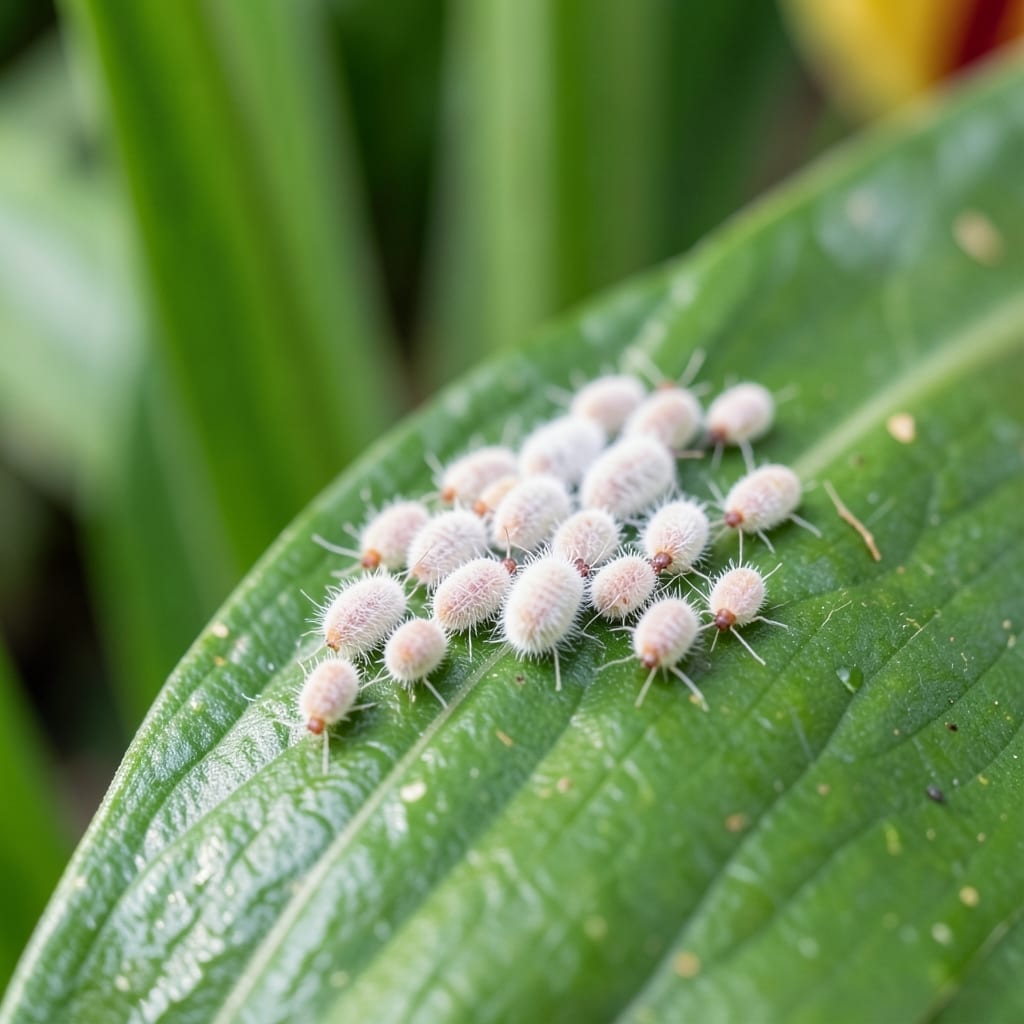
White cottony spots on your lily leaves mean mealybugs have moved in. I spotted my first infestation last summer and stopped it in 48 hours with a simple home remedy.
These pests spread quickly but they’re not invincible. A mix of rubbing alcohol and water wiped out most of mine on contact. The key is catching them early before they multiply.
You’ll see new growth return within days once treated. Prevention is just as important—regular inspections and keeping plants healthy stops them from coming back.
Works for indoor and outdoor lilies alike. Here’s exactly what to do when you spot those telltale white clusters.
Understanding why mealybugs infest your lily plants is the first step toward prevention and control. These pests thrive under specific conditions, often exploiting weaknesses in plant care or environmental factors. Below are the primary causes:
Mealybugs love humid, stagnant environments. When lilies are planted too closely together or lack proper airflow, moisture builds up, creating an ideal breeding ground. Ensure your plants have space to breathe and avoid overcrowding in pots or garden beds.
Overwatering not only stresses your lily but also attracts mealybugs, which are drawn to damp soil and soft, waterlogged stems. Stick to a consistent watering schedule and allow the soil to dry slightly between waterings to discourage infestations.
Mealybugs reproduce rapidly in warm, humid climates (70–90°F). Indoor lilies near heaters or outdoor plants in tropical regions are especially vulnerable. Use dehumidifiers indoors or ensure outdoor lilies have partial shade to reduce risk.
Lilies weakened by nutrient deficiencies, disease, or physical damage are more susceptible to pests. Mealybugs target stressed plants because their natural defenses are compromised. Keep your lilies healthy with balanced fertilization and prompt treatment of any existing issues.
Mealybugs can hitchhike on infected soil, tools, or newly purchased plants. Always inspect new additions to your garden and quarantine them for a few weeks. Sterilize potting mix and tools to prevent introducing pests to your lilies.
Dealing with mealybugs on your lily doesn’t have to be a losing battle. Below are practical, step-by-step solutions tailored to the most common causes, along with prevention tips to keep your plants thriving.
If you catch the mealybugs early, a simple alcohol solution works wonders. Mix 1 part rubbing alcohol (70% isopropyl) with 1 part water in a spray bottle. Test on a small leaf first, then spray directly on the bugs. The alcohol dissolves their protective coating, killing them on contact. Repeat every 3–4 days until gone.
For larger outbreaks, use insecticidal soap. Mix 1 tablespoon of mild dish soap (like Castile) with 1 quart of water. Spray the entire plant, focusing on leaf undersides and stems where mealybugs hide. Reapply every 5–7 days. Pro tip 💡: Avoid harsh soaps—they can damage lily leaves.
Neem oil disrupts mealybug life cycles. Mix 1 teaspoon neem oil + ½ teaspoon dish soap in 1 quart of water. Spray in the evening (to avoid sunburn) and reapply weekly. Neem also prevents future infestations by deterring pests.
Look for white, cottony clusters in leaf axils, stems, or undersides. They resemble tiny cotton balls and leave a sticky residue called honeydew.
They rarely kill healthy lilies but weaken them by sucking sap. Severe infestations can stunt growth and cause yellowing leaves. Act fast to prevent spread.
Vinegar can harm lily leaves and isn’t effective. Stick to alcohol solutions, soap sprays, or neem oil for safe, proven results.