
Beautiful Plants For Your Interior
Beautiful Plants For Your Interior
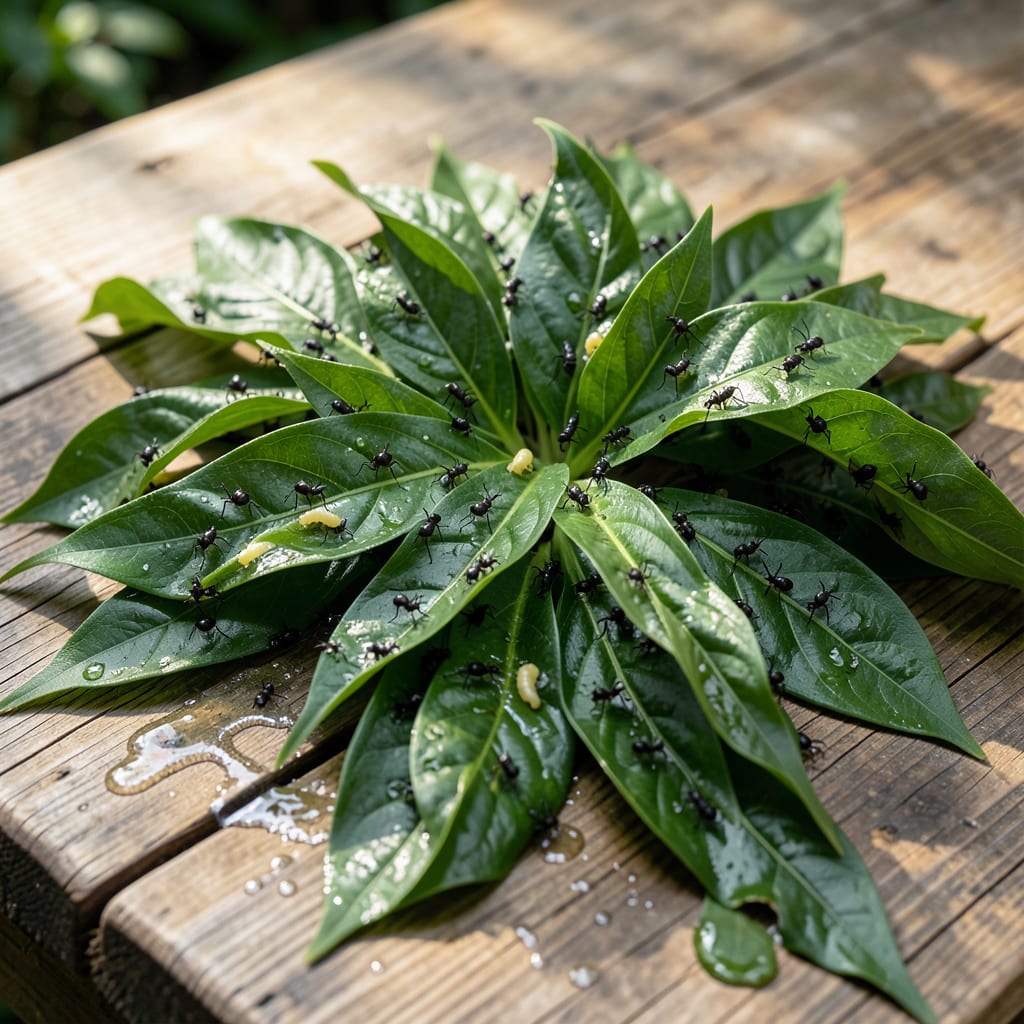
Watching lily leaves disappear overnight is frustrating. I’ve dealt with this myself—waking up to ragged edges and holes where perfect foliage should be. The usual suspects are hiding in plain sight: slugs leaving silvery trails, beetles skeletonizing leaves, or aphids clustered underneath.
Here’s the thing—most damage happens at dawn or dusk when pests are active. A flashlight and early morning inspection reveal the culprits before they retreat. Manual removal works for beetles, while beer traps catch slugs overnight.
Organic solutions like neem oil or insecticidal soap handle aphids without harming beneficial insects. For severe cases, row covers create a physical barrier that keeps pests out entirely.
Prevention is simpler than cure. Healthy soil and proper spacing reduce stress that attracts pests in the first place.
Lily leaves don’t just vanish on their own—something is almost always to blame. Here are the most common culprits and the science behind their appetite for your plants:
Lily leaf beetles (Lilioceris lilii) are the prime suspects. These bright red or orange beetles, along with their slime-covered larvae, chew irregular holes in leaves, buds, and flowers. Their life cycle thrives in temperate climates, and they’re especially active in spring and early summer. Aphids and spider mites may also suck sap from leaves, causing yellowing or stippling, though they’re less destructive.
These nocturnal mollusks leave behind silvery slime trails and ragged edges on leaves as they rasp away at tissue with their radula (a tooth-like tongue). They’re most active after rain or in damp, shaded gardens, targeting young, tender lily foliage. Copper barriers or diatomaceous earth can disrupt their movement.
Larger pests like deer will take big, clean bites out of lily leaves, often leaving jagged edges or stripping entire stems. Rabbits prefer young shoots and may nibble leaves down to the ground. Both are drawn to lilies for their high moisture and nutrient content, especially in early morning or dusk.
While not “eating” in the traditional sense, pathogens like botrytis blight or bacterial leaf spot can cause brown, decaying patches that mimic pest damage. These thrive in wet, humid conditions, spreading via spores or Splashing water. Unlike pests, they often start as small lesions that expand rapidly.
Once you’ve identified the culprit behind your tattered lily leaves, it’s time to take action. Below are targeted solutions for the most common pests, along with tips to keep them from coming back.
Check your lilies at dusk or dawn when these pests are most active. Remove them by hand (wear gloves!) and drop them into soapy water. For a long-term fix, create a copper tape barrier around the plant base or use beer traps (bury a shallow dish filled with beer—they’ll crawl in and drown). Prevention tip: 💡 Keep the garden bed free of debris and water in the morning so the soil dries by evening.
A strong spray from the hose can knock aphids off leaves—do this early in the day so foliage dries quickly. For stubborn infestations, apply insecticidal soap or neem oil (follow label instructions). Prevention tip: ✨ Encourage natural predators like ladybugs by planting companion flowers such as marigolds or yarrow.
Inspect leaves for caterpillars (like lily leaf beetle larvae) and remove them by hand. If the problem persists, apply Bacillus thuringiensis (Bt), a natural bacterial spray that targets caterpillars without harming beneficial insects. Prevention tip: 🎯 Rotate crops and remove plant debris in fall to eliminate overwintering sites.
Protect lilies with a 3-foot-tall chicken wire fence or use commercial repellents (reapply after rain). For a DIY option, spray a mixture of rotten eggs and water around the garden perimeter. Prevention tip: 🌡️ Plant deer-resistant species like daffodils or lavender nearby to deter them.
Consistency is key—monitor your lilies regularly and act at the first sign of damage to keep your garden thriving!
Look for irregular holes in leaves and check undersides for bright orange beetles or slime-covered larvae. They’re most active in spring and early summer.
Dusk or dawn is ideal, as slugs are nocturnal. Use a flashlight to spot their silvery slime trails on leaves and soil.
A 3-foot-tall fence is usually enough. For extra protection, add repellents or plant deer-resistant species nearby.
Yes! A strong spray of water or neem oil works well. Encourage ladybugs by planting companion flowers like marigolds.
