
Beautiful Plants For Your Interior
Beautiful Plants For Your Interior
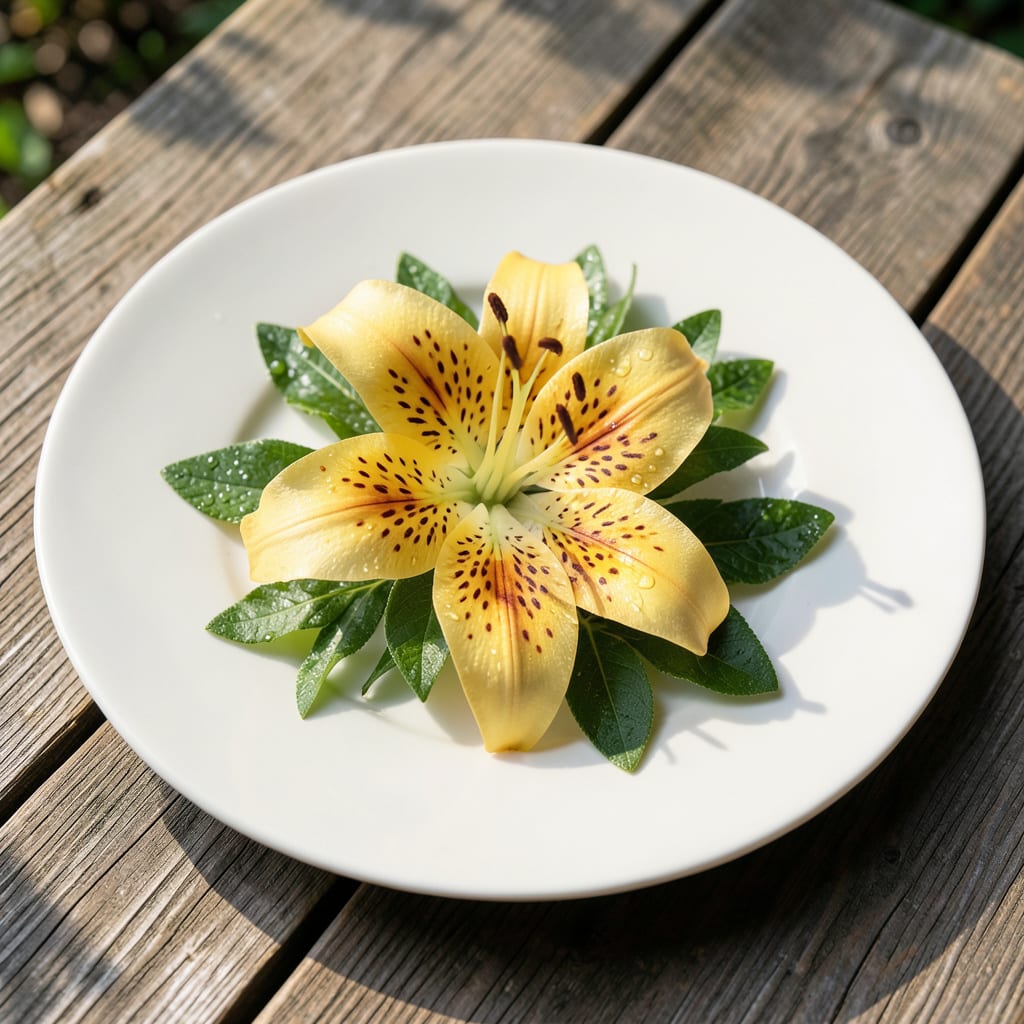
Those brown spots on your yellow lilies aren’t just ugly—they’re a cry for help. I’ve seen this exact pattern ruin entire plantings when left unchecked, but the good news is it’s usually fixable with quick action.
Most often, it’s fungal leaf spot or bacterial blight taking hold, though pests or environmental stress can mimic the same damage. The key is matching the treatment to the actual cause, not just the symptoms.
With the right approach, new growth emerges clean within 2-3 weeks. You’ll stop the spread, restore plant health, and prevent next season’s outbreak before it starts.
Works for all lily varieties, from asiatics to orientals. Here’s how to diagnose and treat it properly.
Brown spots on yellow lilies can be alarming, but understanding the root causes helps you address the issue effectively. Below are the most common reasons your plant may develop these unsightly blemishes.
Fungal diseases like Botrytis blight or leaf spot thrive in damp, humid conditions. These pathogens spread through spores, which land on leaves and create circular or irregular brown patches. Overwatering, poor air circulation, or wet foliage (from overhead watering) accelerate fungal growth. Action: Improve ventilation, avoid overhead watering, and apply a copper-based fungicide at the first sign of spots.
Pests such as aphids, spider mites, or lily leaf beetles can cause brown spots by feeding on the plant’s tissues. Their bites create small wounds that later turn brown or black as the tissue dies. Some pests also introduce secondary infections. Action: Inspect the undersides of leaves for pests and treat with neem oil or insecticidal soap. Remove heavily infested leaves promptly.
Extreme temperatures, excessive sunlight, or chemical burns (from fertilizers or herbicides) can scorch lily leaves, leading to brown, crispy spots. Lilies prefer partial shade and consistent moisture—direct, scorching sun or drought stress weakens their defenses. Action: Relocate the plant to a shadier spot, water deeply but less frequently, and avoid over-fertilizing.
Bacteria like Pseudomonas or Xanthomonas cause water-soaked lesions that turn brown and may ooze. These spread via contaminated tools, splashing water, or infected plant debris. Action: Remove affected leaves immediately, sterilize pruning tools with rubbing alcohol, and apply a bactericide like copper sulfate. Avoid working with wet plants to limit spread.
If your lilies are sporting unsightly brown spots, don’t worry—most issues are fixable with the right approach. Below are targeted solutions for the most common causes, along with prevention tips to keep your plants thriving.
Fix: Remove affected leaves immediately to prevent spread. Apply a copper-based fungicide or a homemade mix of 1 tsp baking soda + 1 quart water + a few drops of dish soap. Spray weekly until spots disappear.
Prevention: Improve air circulation around plants, avoid overhead watering, and water in the morning so foliage dries quickly.
Fix: Wipe leaves with a soapy water solution (1 tsp mild soap per liter) to remove aphids or mites. For stubborn pests, use neem oil or insecticidal soap, following label instructions.
Prevention: Inspect plants regularly, especially undersides of leaves. Encourage beneficial insects like ladybugs with companion plants.
Fix: Adjust your watering routine. For overwatering, let soil dry out between waterings. For underwatering, deep-soak the root zone and mulch to retain moisture.
Prevention: Use well-draining soil and pots with drainage holes. Stick your finger 1-2 inches into soil—water only if it feels dry.
Fix: Move potted lilies to a shadier spot or provide afternoon shade with a sheer cloth. Trim damaged leaves to redirect energy to healthy growth.
Prevention: Gradually acclimate plants to sunlight and avoid placing them in intense midday sun, especially in hot climates.
Fix: Test soil pH (ideal: 6.0–6.5 for lilies). Amend with a balanced fertilizer (10-10-10) or add compost for organic nutrients. Yellowing with brown spots often signals magnesium deficiency—use Epsom salt (1 tbsp per gallon of water) as a foliar spray.
Prevention: Feed lilies monthly during growing season and refresh soil annually with organic matter.
💡 Pro Tip: Always sterilize pruning tools with rubbing alcohol between cuts to avoid spreading pathogens!
Not always. While fungal or bacterial infections are common culprits, environmental factors like sunburn or overwatering can also create similar spots. Always check growing conditions first.
With proper care, new growth should appear clean within 2-3 weeks. Fungicides or pest treatments may show improvement in 7-10 days, but consistency is key.
Yes, if the roots and crown are healthy. Remove all damaged foliage, adjust care, and treat the underlying cause. Severe cases may take a full season to recover fully.
