
Beautiful Plants For Your Interior
Beautiful Plants For Your Interior
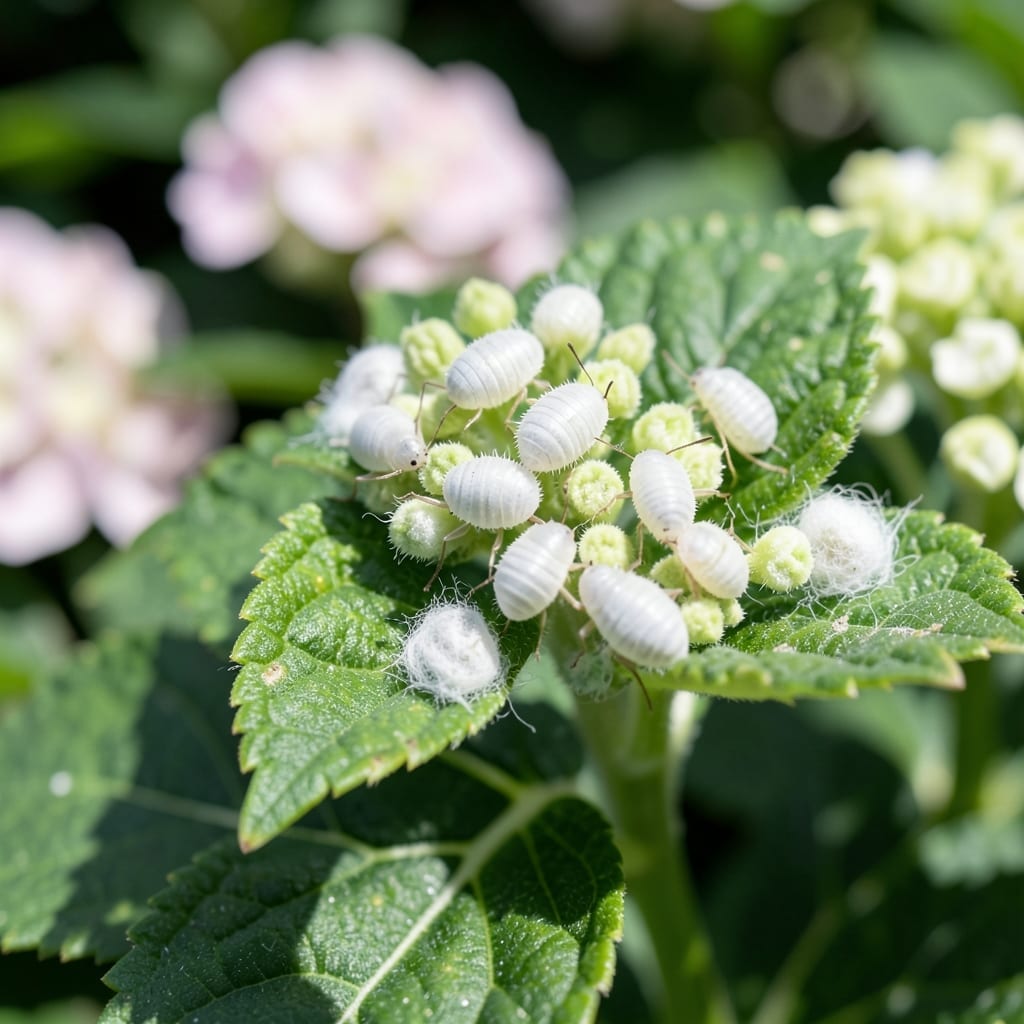
White cottony clusters on your hydrangeas mean trouble. 🌿 Mealybugs spread fast, weakening plants and leaving sticky residue that attracts other pests.
I spotted my first infestation three summers ago—thought it was just dust until the leaves started yellowing. A simple spray of soap and water knocked them back within 48 hours, but the real fix requires vigilance and the right approach.
You’ll see new growth return to its vibrant green once the pests are gone. The key is catching them early before they multiply out of control.
Works for all hydrangea varieties and keeps your garden chemical-free. Here’s how to fight back effectively.
Mealybugs thrive on hydrangeas due to a mix of environmental and plant-health factors. Understanding these causes helps you prevent future outbreaks and protect your garden’s vibrant blooms. Below are the most common triggers for mealybug infestations on hydrangeas.
Dense foliage and unpruned hydrangeas create the perfect hiding spots for mealybugs. These pests love moist, shaded areas where they can feed undisturbed on sap. Lack of airflow also increases humidity, which accelerates their reproduction. Regularly thin out branches and remove dead growth to reduce their habitat.
Mealybugs are drawn to hydrangeas that sit in consistently damp soil or have waterlogged roots. Overwatering not only stresses the plant but also creates a humid microclimate around the leaves and stems—ideal for mealybug colonization. Ensure proper drainage and water only when the top inch of soil feels dry.
Plants under stress from nutrient deficiencies, drought, or disease are more susceptible to pests. Mealybugs target weakened hydrangeas because their natural defenses (like resilient cell walls) are compromised. Strengthen your plants with balanced fertilizer and consistent care to deter infestations.
Mealybugs multiply rapidly when their natural enemies—like ladybugs, lacewings, or parasitic wasps—are absent. Overuse of broad-spectrum pesticides can kill these beneficial insects, leaving your hydrangeas vulnerable. Opt for targeted treatments and encourage a biodiverse garden to keep mealybug populations in check.
Tackling mealybugs on your hydrangeas starts with quick and targeted action. Below are practical solutions organized by cause, along with prevention tips to keep your plants healthy long-term.
For a few visible mealybugs, dip a cotton swab in rubbing alcohol (70% isopropyl) and gently dab each pest. The alcohol dissolves their protective waxy coating, killing them on contact. Repeat every 2-3 days until gone. Prevention tip: Inspect new plants before bringing them near your hydrangeas to avoid introducing pests.
Mix 1 tablespoon of insecticidal soap and 1 teaspoon of neem oil in a quart of water. Spray thoroughly on both sides of leaves, stems, and buds, focusing on white cottony clusters. Reapply every 5-7 days for 2-3 weeks. Prevention tip: Encourage beneficial insects like ladybugs and lacewings, which prey on mealybugs.
If mealybugs keep returning, prune heavily infested stems and dispose of them in sealed bags (not compost). Isolate the plant to prevent spread. Follow up with a natural spray. Prevention tip: Avoid over-fertilizing—mealybugs thrive on soft, new growth from excess nitrogen.
Maintain hydrangea health with proper watering (avoid soggy soil) and balanced fertilizer. Healthy plants resist pests better. Wipe leaves occasionally with a damp cloth to remove dust and early pests. Pro tip: 🌡️ Mealybugs love dry conditions—increase humidity with a pebble tray or mist leaves lightly in the morning.
They appear as small, white, cottony clusters, often in leaf axils or stem joints. These pests resemble tiny cotton balls and may leave a sticky residue called honeydew on leaves.
They thrive on stressed plants or in overcrowded, humid conditions. Ensure good airflow, avoid overwatering, and check for hidden eggs in soil or under leaves.
Yes, mix 1 teaspoon of mild dish soap in 1 quart of water and spray directly on pests. Reapply every 3-4 days until gone. Avoid harsh detergents.
Severely infested plants may weaken, yellow, or drop leaves, but quick action can save them. Focus on treatment and prevention to restore plant health.