
Beautiful Plants For Your Interior
Beautiful Plants For Your Interior
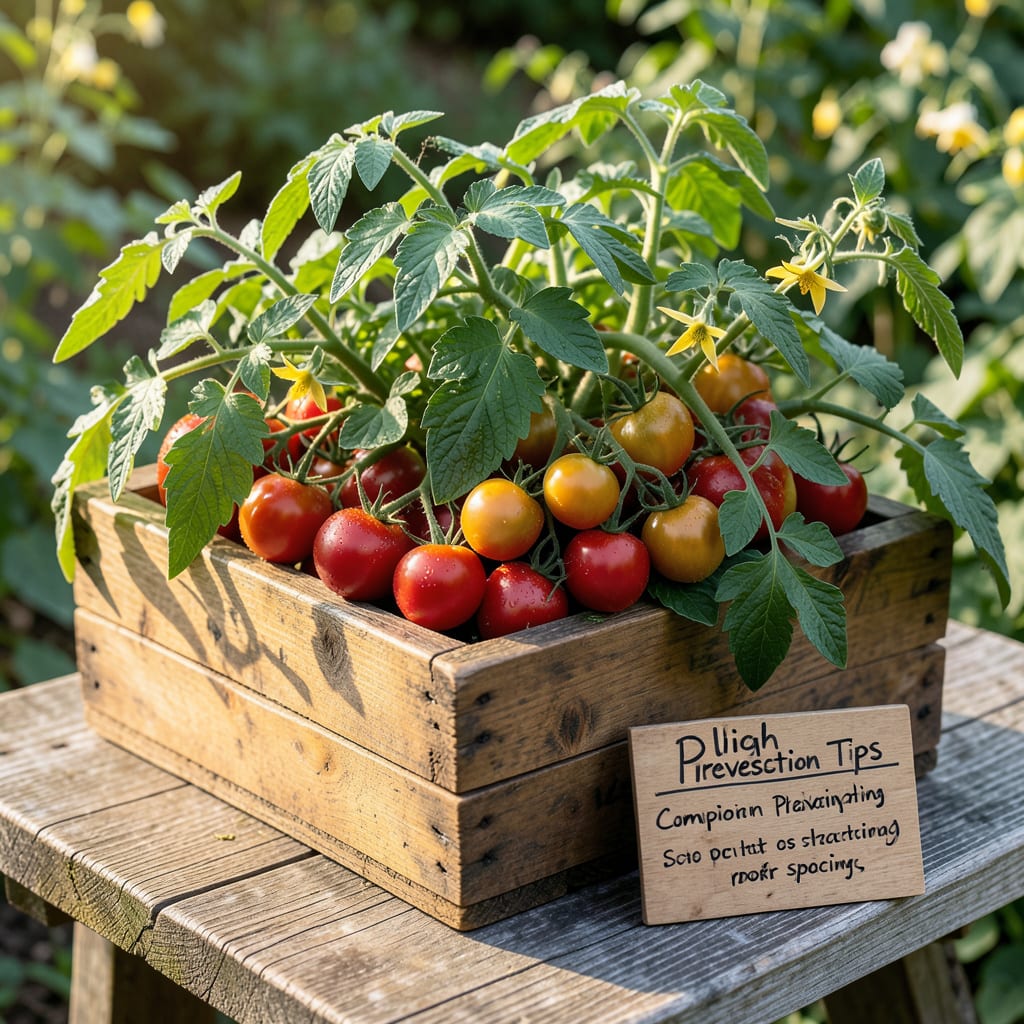
Tomato blight hit my garden hard three seasons ago. One week of wet weather, and my plants turned to brown, mushy sticks overnight—no harvest, just heartbreak.
I learned prevention starts before planting. The right varieties, proper spacing, and smart watering make all the difference. No more waiting for yellow spots to appear on leaves.
Simple changes like removing lower leaves and avoiding overhead watering stopped the cycle. My tomatoes now make it to harvest with zero blight damage.
These organic methods work without harsh chemicals. You’ll sleep better knowing your plants are protected before problems start.
Tomato blight is a frustratingly common issue, but understanding its root causes can help you stop it in its tracks. Here’s a breakdown of the primary factors that trigger this disease:
The most common culprits are fungal organisms like Phytophthora infestans (late blight) and Alternaria solani (early blight). These fungi thrive in warm, moist environments, spreading rapidly through spores that travel via wind, water, or infected plant debris. Overhead watering or crowded plants create ideal conditions for these pathogens to take hold.
Blight flourishes when tomato foliage stays wet for extended periods. Poor drainage, frequent rain, or improper irrigation (especially overhead watering) keep leaves damp, allowing fungal spores to germinate. Even morning dew can contribute if plants lack airflow to dry quickly.
The fungus can overwinter in infected soil, plant debris, or unsterilized gardening tools. If you reuse tools or plant in the same spot without rotating crops, you risk reintroducing the pathogen year after year. Even compost piles can harbor spores if not heated properly.
Stressed or nutrient-deficient tomatoes are more susceptible to blight. Over- or under-fertilizing (especially with nitrogen) can weaken plants, while poor soil health reduces their natural resistance. Varieties lacking genetic resistance are also at higher risk.
By tackling these root causes—managing moisture, improving airflow, sterilizing tools, and boosting plant vigor—you can significantly reduce blight’s chances of striking.
Once tomato blight appears, quick and targeted action can save your plants. Here’s how to tackle each type of blight with practical fixes and prevention tips to keep your garden healthy.
Start by pruning infected lower leaves immediately—use clean, sharp shears and disinfect them with rubbing alcohol between cuts. Remove all fallen debris around the plant to eliminate fungal spores. Prevent future outbreaks by rotating crops yearly and avoiding overhead watering. Water at the base of the plant in the morning so leaves dry quickly.
This aggressive blight spreads fast, so remove and destroy entire infected plants (do not compost them). For remaining healthy plants, apply a copper-based fungicide as a protective barrier. To prevent late blight, ensure good air circulation by spacing plants properly and staking them. Avoid planting tomatoes in the same spot year after year.
Remove affected leaves and stems at the first sign of yellowing or spotting. Apply a thick layer of mulch (like straw or wood chips) to prevent soil-borne spores from splashing onto leaves. For prevention, water consistently but avoid wetting the foliage. Consider drip irrigation for precise watering.
Pro Tip 💡: Always sanitize your garden tools, stakes, and cages at the end of the season with a 10% bleach solution to kill lingering spores. Healthy soil and resistant tomato varieties (like ‘Mountain Merit’ or ‘Defiant’) can also reduce blight risks significantly.
Yes, it breaks the disease cycle by starving fungal spores. 3-4 year rotation away from nightshades is ideal. Never plant tomatoes in the same spot consecutively.
Use drip irrigation at soil level to keep foliage dry. Water in the morning so leaves dry quickly. Avoid overhead sprinklers entirely.
Never save seeds from infected plants—the fungus can live in seed coats. Purchase certified disease-free seeds instead.
2-3 feet between plants and 4 feet between rows ensures proper airflow. Stake or trellis vines to improve circulation further.
