
Beautiful Plants For Your Interior
Beautiful Plants For Your Interior
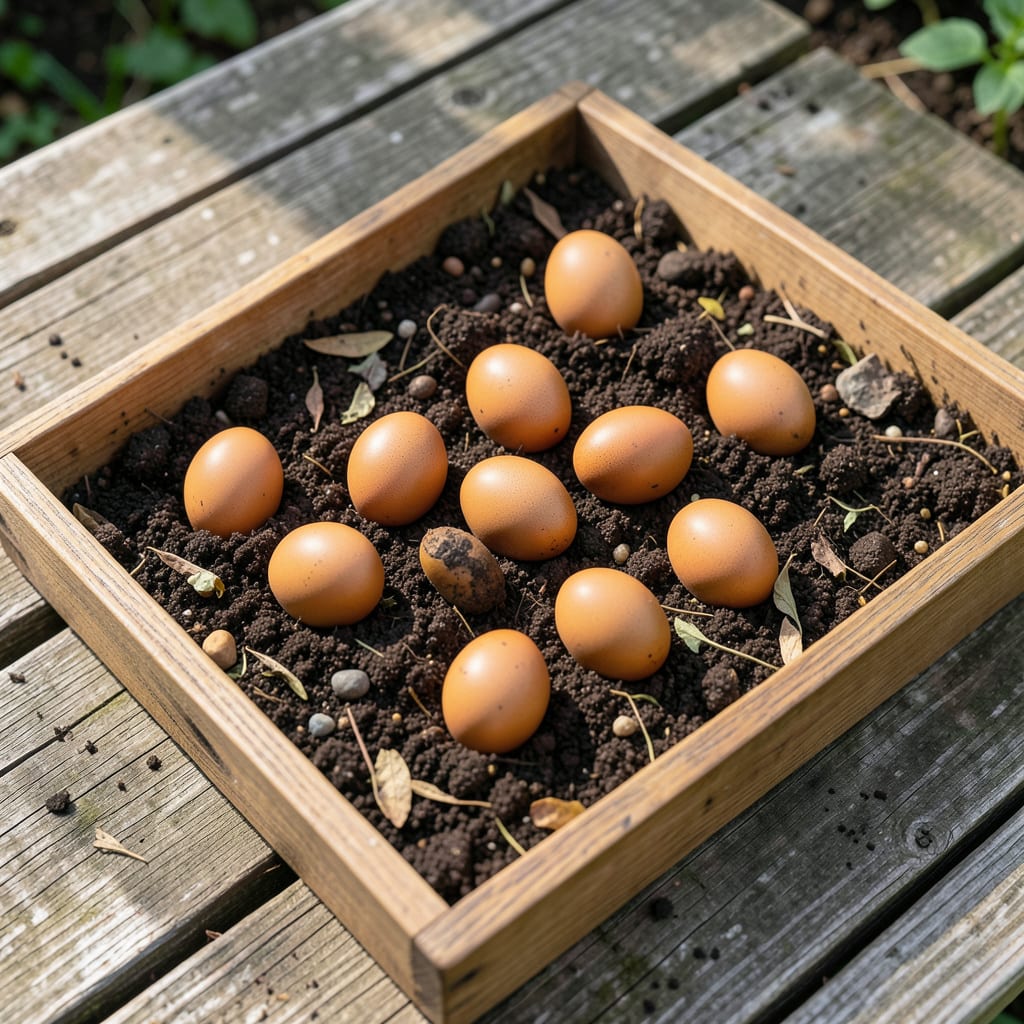
Spotted tiny brown eggs in your soil? Don’t panic—this happens to every gardener eventually.
I found my first cluster under a wilting pepper plant and assumed the worst. Turns out, most of these are harmless or even beneficial. The key is identifying whether they belong to pests or allies before taking action.
With a few simple checks, you’ll know if these eggs threaten your plants or signal a healthy garden ecosystem. Most can be removed without chemicals, protecting your soil’s balance.
Prevention starts with good habits: clean garden edges, rotate crops, and encourage natural predators. Your soil—and plants—will thank you.
Small brown eggs in soil often appear due to natural pest cycles or environmental conditions. Below are the most common causes, explained with actionable insights.
Many garden pests, like beetles, mites, or true bugs, lay eggs in soil to protect them from predators and harsh weather. These eggs are typically brown or tan to blend in with the dirt. For example, Japanese beetle grubs start as tiny brown eggs buried 1–3 inches deep. Action: Disturb the topsoil lightly in early spring to expose and dry out eggs before they hatch.
Soil rich in decomposing leaves, compost, or mulch provides ideal conditions for egg-laying insects. Springtails, earwigs, and some moth species prefer moist, organic-heavy soil. Action: Reduce excessive mulch layers and ensure proper drainage to discourage egg deposition.
Warm, damp soil (60–75°F) signals many pests to lay eggs. Fungus gnat eggs, for instance, thrive in consistently wet soil. Overwatering or poor drainage can accelerate their lifecycle. Action: Let the top inch of soil dry between waterings and use a moisture meter to monitor levels.
Injured or stressed plants release chemicals that attract egg-laying pests like root maggots or whiteflies. These pests target weakened roots to give their offspring a food source. Action: Remove damaged plants promptly and rotate crops to disrupt pest lifecycles.
If you’ve spotted small brown eggs in your soil, acting fast can save your garden from a pest infestation. Below are targeted solutions for common culprits, along with prevention tips to keep your soil healthy long-term.
Slugs and snails lay clusters of small, round, brownish eggs in moist soil. Gently dig them out with a spoon or trowel and dispose of them in soapy water to prevent hatching. To deter adults, create barriers like copper tape around beds or sprinkle diatomaceous earth on the soil surface. Prevention tip: Reduce moisture by watering in the morning and improving drainage.
Beetles and weevils often bury eggs in the topsoil. Till the soil lightly to expose and dry out the eggs, or apply beneficial nematodes (like Steinernema carpocapsae) to target the larvae. For organic control, neem oil can disrupt their reproduction. Prevention tip: Rotate crops yearly to break pest cycles and avoid over-fertilizing, which attracts egg-laying adults.
Tiny, brown mite eggs thrive in damp, undisturbed soil. Let the top inch of soil dry out between waterings, as mites prefer humidity. For active infestations, spray with insecticidal soap or introduce predatory mites like Hypoaspis miles. Prevention tip: Remove plant debris and weeds where mites hide, and keep your garden tidy.
💡 Pro Tip: Regularly inspect your soil, especially after rain or watering. Early detection makes these fixes easier and more effective!
Check their size and location. Tiny clusters near the surface often belong to pests like slugs or fungus gnats. Larger, isolated eggs may be from beneficial insects. When in doubt, remove a few and monitor your plants for damage.
Use a spoon or trowel to gently lift eggs out of the soil. Drop them into soapy water to prevent hatching. Avoid harsh chemicals—organic methods protect your garden’s ecosystem.
Yes! Overwatered or organic-rich potting soil attracts egg-laying pests. Let soil dry between waterings and use a well-draining mix. Inspect new plants before bringing them indoors.
Light tilling exposes and dries out eggs, disrupting pest life cycles. Do this in early spring before planting. Avoid deep tilling, as it can harm beneficial soil organisms.
