
Beautiful Plants For Your Interior
Beautiful Plants For Your Interior
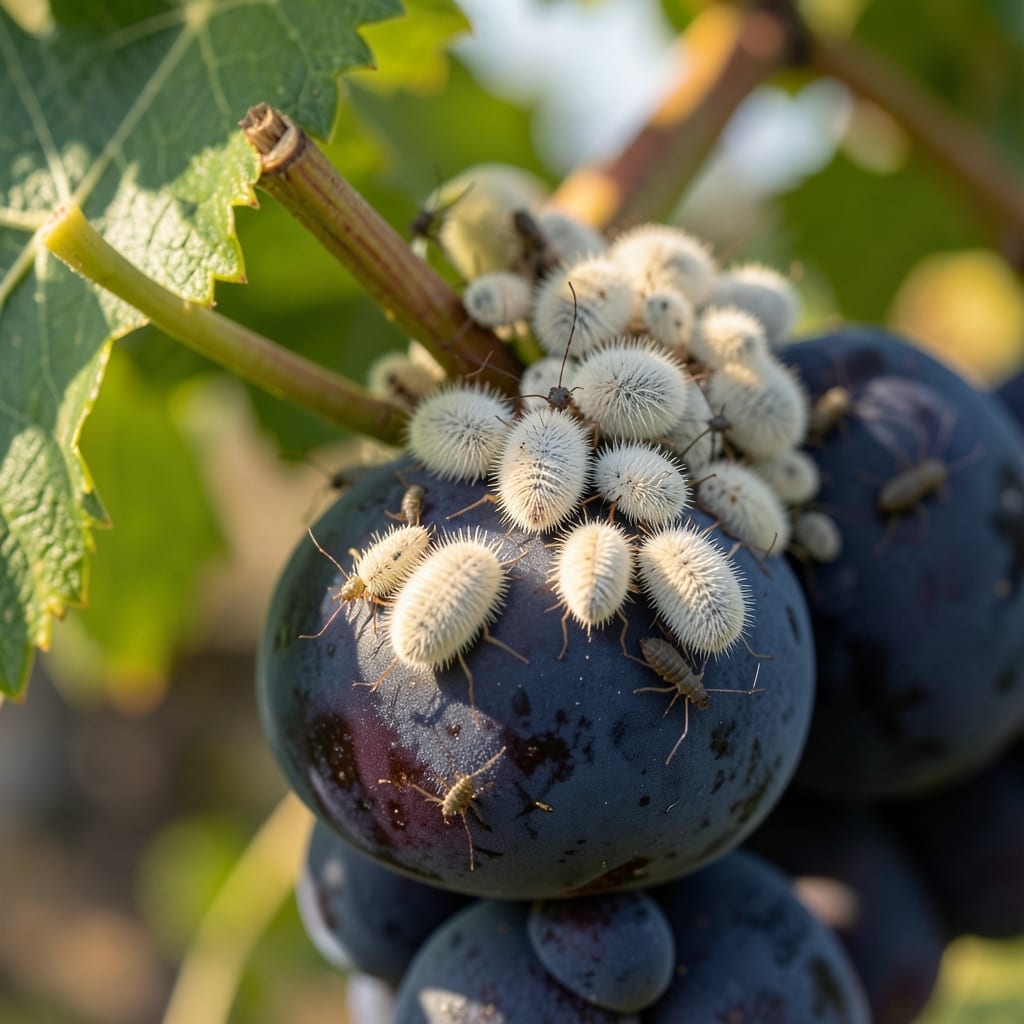
White fluff on your grape leaves means trouble. 🌿 Mealybugs drain vine strength, stunt growth, and invite sooty mold—your harvest hangs in the balance.
I spotted them first on my Concord vines last summer. They cluster in leaf axils, under bark, anywhere they can hide while sucking sap. Left unchecked, they’ll weaken plants and reduce yield by 30-50%.
Organic treatment works fast and keeps your vines healthy. A targeted approach with soaps, oils, and beneficial insects can clear infestations in 2-3 applications.
Early detection is your best defense. Check new growth weekly and act at the first sign of cottony clusters. Here’s how to save your crop.
Mealybugs thrive on grapevines due to a combination of environmental, biological, and cultural factors. Understanding these triggers helps you prevent and manage infestations effectively.
Mealybugs reproduce rapidly in warm climates (70–90°F) with high humidity. Grape-growing regions with mild winters and damp summers create ideal breeding grounds. These pests seek shelter in cracks, bark crevices, and dense canopies, where moisture accumulates. Proper canopy management (thinning leaves, improving airflow) disrupts their habitat.
Excess nitrogen from heavy fertilization promotes tender, succulent grapevine growth—a mealybug favorite. These pests target new shoots, leaves, and fruit clusters rich in sap. Balance fertilization with potassium and phosphorus to toughen plant tissues and deter feeding.
Mealybugs proliferate when beneficial insects (ladybugs, lacewings, parasitic wasps) are absent. Pesticide overuse, especially broad-spectrum chemicals, kills these natural enemies. Encourage biodiversity by planting companion flowers (e.g., alyssum, yarrow) and reducing chemical interventions.
Infestations often spread via infected tools, pruning shears, or nursery stock. Mealybugs and their eggs hitchhike on equipment moved between vines. Sanitize tools with rubbing alcohol and inspect new plants before introduction to prevent cross-contamination.
Mealybugs can be stubborn, but these targeted solutions will help restore your grapevines to health. Address the issue early to prevent widespread damage.
For small outbreaks, remove mealybugs by hand using a cotton swab dipped in rubbing alcohol (70% isopropyl). Focus on clusters, leaves, and stems where they hide. Follow up with a neem oil spray (1 tbsp neem oil + 1 tsp dish soap + 1 liter water) applied every 5–7 days until gone. Neem disrupts their life cycle without harming beneficial insects.
If mealybugs have spread, introduce beneficial insects like ladybugs, lacewings, or parasitic wasps (Anagyrus pseudococci), which feed on mealybugs. For faster results, use insecticidal soap (1 tbsp mild soap + 1 liter water) or horticultural oil, spraying thoroughly to coat the bugs. Reapply after rain or every 10 days.
Pro tip 💡: Ants farm mealybugs for their honeydew—control ants with sticky barriers (e.g., Tanglefoot) on vine trunks to break the cycle.
Check leaf axils and undersides weekly for white, cottony clusters. Look for sticky honeydew or sooty mold on leaves, which signal their presence. Early detection prevents rapid spreading.
Yes, but opt for insecticidal soap or horticultural oil first. Avoid broad-spectrum pesticides, as they kill beneficial insects that naturally control mealybugs.
They can if eggs survive winter. Remove all infested plant debris and sanitize tools with rubbing alcohol. Introduce beneficial insects in spring for ongoing protection.
Yes, they reduce yield by 30-50% and weaken vines. Their honeydew attracts sooty mold, which can ruin fruit appearance and flavor. Treat promptly to protect your harvest.