
Beautiful Plants For Your Interior
Beautiful Plants For Your Interior
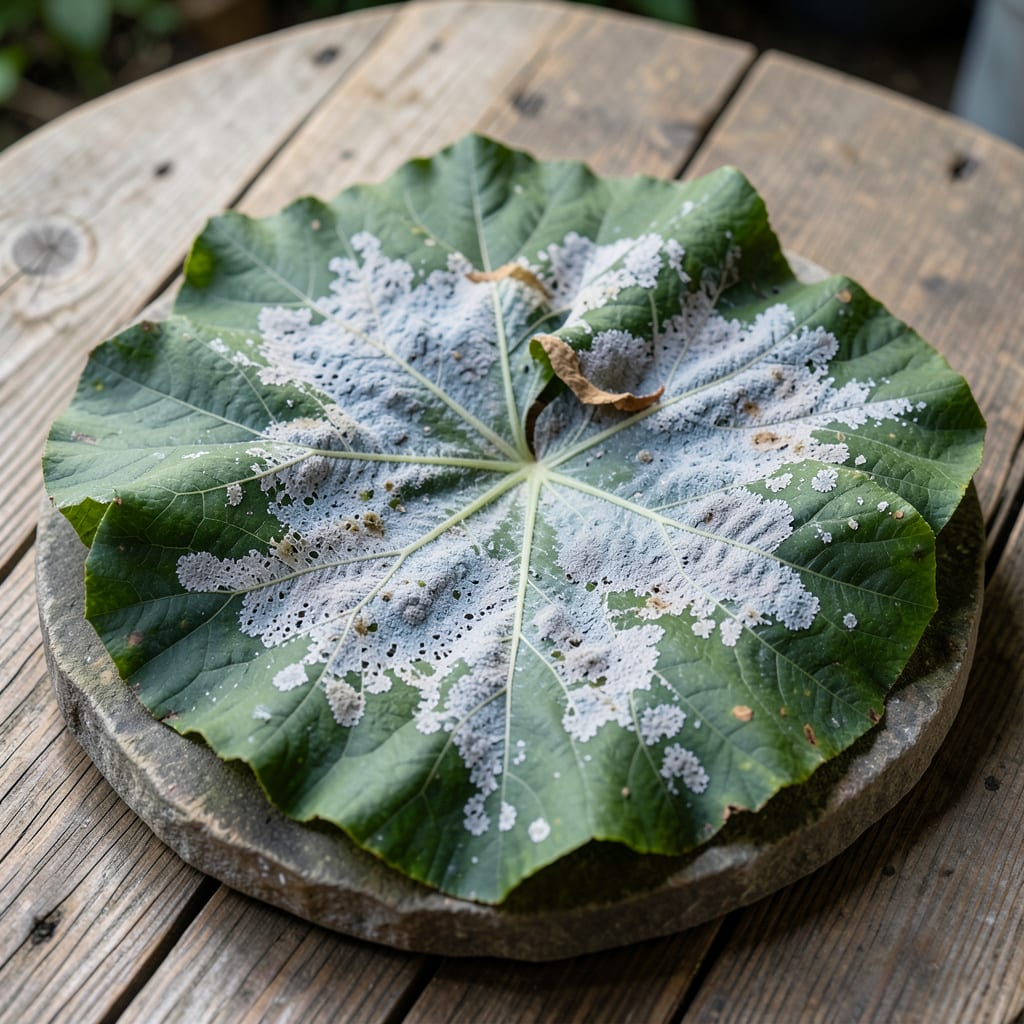
White spots on your pumpkin leaves aren’t just ugly—they’re stealing your harvest. I’ve watched healthy vines turn to brown mush in 48 hours when mold takes over, so catching it early is everything.
This isn’t about blame—it’s about humidity, poor air flow, and leaves staying wet too long. The good news? Organic fixes work fast if you act before it spreads to the fruit.
You’ll see new growth within a week of treatment, and your vines will bounce back stronger. The key is consistent monitoring and adjusting your watering routine.
Works for all pumpkin varieties, from jack-o’-lanterns to sugar pies. Here’s how to stop it in its tracks.
Mold on pumpkin leaves doesn’t appear out of nowhere—it’s usually the result of specific environmental and cultural conditions. Here are the most common causes, explained in simple terms:
Pumpkins thrive in well-drained soil, but prolonged wetness is a mold’s best friend. Overwatering, poor drainage, or frequent rain can create a damp environment where fungal spores (like Powdery Mildew or Downy Mildew) germinate and spread. Leaves that stay wet for 6+ hours are especially vulnerable.
Humidity levels above 60% encourage mold growth by slowing evaporation from leaf surfaces. In crowded pumpkin patches, poor air circulation traps moisture, creating a humid microclimate. This is why spacing plants 2–3 feet apart and pruning dense foliage can help prevent outbreaks.
Watering from above (e.g., sprinklers) wets the leaves directly, giving mold spores the moisture they need to take hold. Drip irrigation or soaker hoses deliver water to the soil, keeping foliage dry and reducing infection risk by up to 50%. Always water in the early morning so leaves dry quickly in the sun.
Over-fertilizing with nitrogen produces lush, tender growth that’s more susceptible to mold. Meanwhile, a deficiency in potassium or phosphorus weakens plant defenses. A balanced organic fertilizer (e.g., 5-5-5) supports robust leaves that resist fungal attacks.
Fallen leaves, spent vines, or last season’s crop remnants can harbor mold spores over winter. Remove and compost (or burn, if heavily infested) plant debris at the end of the season to break the disease cycle. Rotating pumpkin crops with non-cucurbits (like corn or beans) every 2–3 years also starves lingering spores.
Mold on your pumpkin leaves doesn’t have to spell disaster. With the right approach, you can treat the issue and prevent future outbreaks. Below are targeted solutions for common causes, along with prevention tips to keep your plants thriving.
Mold thrives in stagnant, humid conditions. Thin out dense foliage to allow air to flow freely between plants. Space pumpkin vines at least 3–4 feet apart and prune excess leaves, especially those touching the soil. For extra airflow, stake or trellis vines to elevate them off the ground.
Prevention tip: 💡 Water plants in the early morning so leaves dry quickly in the sunlight, reducing moisture buildup.
Soggy soil and wet leaves are a mold magnet. Water at the base of the plant using a soaker hose or drip irrigation to keep leaves dry. Ensure your garden bed has good drainage—amend heavy clay soil with compost or sand. If growing in containers, use pots with drainage holes and a well-draining potting mix.
Prevention tip: ✨ Let the top inch of soil dry out between waterings. Stick your finger in the dirt to check moisture levels.
For existing mold, remove infected leaves immediately and dispose of them in the trash (not compost). Then, treat the plant with an organic fungicide like neem oil, copper soap, or a baking soda solution (1 tsp baking soda + 1 quart water + a few drops of dish soap). Spray evenly on both sides of the leaves, repeating every 7–10 days until the issue resolves.
Prevention tip: 🎯 Rotate crops yearly to avoid soil-borne pathogens, and clean garden tools with rubbing alcohol between uses.
Stressed or malnourished plants are more susceptible to mold. Fertilize lightly with a balanced organic fertilizer (like 10-10-10) to strengthen growth. Avoid over-fertilizing with nitrogen, which promotes leafy (but weak) growth. Additionally, mulch with straw to prevent soil splashing onto leaves, which can spread spores.
Prevention tip: 🌡️ Maintain consistent care—regular watering, proper sunlight (6–8 hours daily), and soil testing to address deficiencies.
Mold appears as fuzzy white, gray, or black patches that spread over time. Dust can be brushed off easily, while mold sticks to the surface. Check undersides of leaves too, as mold often starts there.
Yes, if left untreated, it can spread to the fruit. The mold weakens the plant, reducing energy for pumpkin growth. Act quickly to prevent yield loss.
A diluted vinegar solution (1 part vinegar to 3 parts water) can work as a mild fungicide. Spray in the morning and test on a small area first, as vinegar may harm some plants.
Inspect leaves 2-3 times weekly, especially after rain or humid days. Early detection makes treatment much easier and more effective.
