
Beautiful Plants For Your Interior
Beautiful Plants For Your Interior
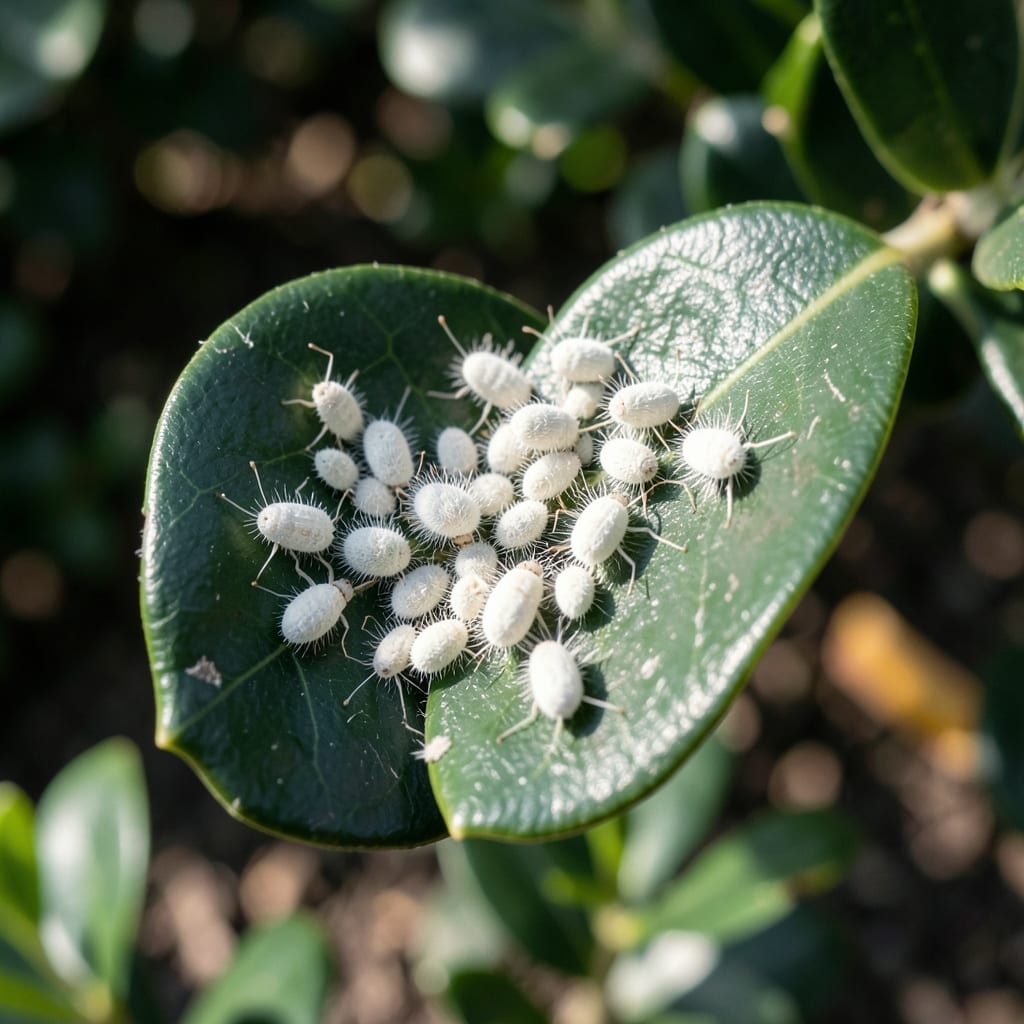
White cottony clusters on your boxwood leaves mean trouble. I spotted my first mealybug infestation last spring, and ignoring it turned a few spots into a full-blown problem within 2 weeks. These pests drain plant sap, leaving shrubs weak and stunted.
Here’s the thing—they love hiding in leaf axils and stem crevices, making early detection key. I check my boxwoods weekly now, especially under leaves where they cluster. Natural solutions work best if you catch them early before they spread to neighboring plants.
You’ll see new growth recover quickly once treated. The shrubs bounce back with darker green foliage and no more sticky residue. Organic methods keep your garden ecosystem intact while solving the problem for good.
Works for any boxwood variety, from dwarf to full-size. This approach saves time and keeps your plants thriving without harsh chemicals.
Mealybugs thrive on boxwoods due to a combination of environmental, cultural, and biological factors. Understanding these causes helps you prevent infestations before they start. Buxus species, with their dense foliage and rich sap, are particularly vulnerable when conditions align with the pests’ needs. Below are the primary triggers behind their appearance.
Mealybugs proliferate in warm, low-humidity environments (70–80°F). Boxwoods grown in full sun or drought-stressed conditions create ideal breeding grounds. The pests dehydrate less in dry air, allowing colonies to expand rapidly. Solution: Increase humidity with misting or drip irrigation during dry spells.
Excess nitrogen from synthetic fertilizers boosts soft, succulent growth—a mealybug favorite. Boxwoods fed heavily in spring often produce tender new shoots that lack natural defenses. Solution: Use slow-release organic fertilizers and avoid late-season nitrogen applications.
Ants farm mealybugs for their honeydew, a sugary byproduct. In exchange, ants protect mealybugs from predators like ladybugs. Check for ant trails on boxwood stems—this partnership accelerates infestations. Solution: Apply sticky barriers or ant baits to disrupt the relationship.
Dense plantings or boxwoods pruned into tight shapes trap moisture and heat, creating microclimates mealybugs love. Solution: Space plants 2–3 feet apart and prune inner branches to improve airflow.
Boxwoods stressed by root rot, nutrient deficiencies, or physical damage emit distress signals that attract pests. Mealybugs target weakened plants first. Solution: Maintain soil health with compost and monitor for early signs of decline.
Mealybugs on boxwood can feel like a stubborn battle, but with the right approach, you can reclaim your shrubs. Below are targeted solutions for common causes, plus prevention tips to keep your boxwoods thriving.
Mealybugs love damp, shaded spots. Thin out dense foliage with pruners to let sunlight and air circulate. Focus on the inner branches where pests hide. Prevention tip: 💡 Space new boxwoods at least 2–3 feet apart to reduce humidity buildup.
These pests multiply quickly, so check under leaves and along stems weekly for white, cottony clusters. Use a magnifying glass for early detection. Prevention tip: ✨ Introduce natural predators like ladybugs or lacewings, which feed on mealybugs.
Soggy roots stress plants, making them vulnerable. Water only when the top inch of soil is dry, and ensure pots or beds have good drainage. Prevention tip: 🌡️ Mulch with bark or gravel to keep roots dry and deter pests.
For small outbreaks, dab mealybugs with a cotton swab soaked in 70% isopropyl alcohol. For larger areas, spray with a mix of 1 tablespoon dish soap + 1 quart water every 3–4 days until gone. Prevention tip: 🎯 Apply neem oil weekly as a preventive barrier.
If the damage is widespread, prune heavily infested branches and dispose of them in sealed bags. In extreme cases, remove and replace the plant to protect nearby greenery. Prevention tip: 🔥 Sterilize pruning tools with rubbing alcohol between cuts to avoid spreading pests.
Check under leaves and along stems weekly during warm months. Early detection prevents small clusters from becoming full infestations. Use a magnifying glass for better visibility.
Yes! Apply neem oil weekly to create a protective barrier. It disrupts mealybug life cycles and deters new pests without harsh chemicals.
Prune heavily infested branches and seal them in bags. For extreme cases, remove the entire plant to protect others. Always sterilize tools between cuts.
They thrive in warm, dry conditions and often return if ants are farming them. Disrupt ant trails and improve airflow to break the cycle.