
Beautiful Plants For Your Interior
Beautiful Plants For Your Interior
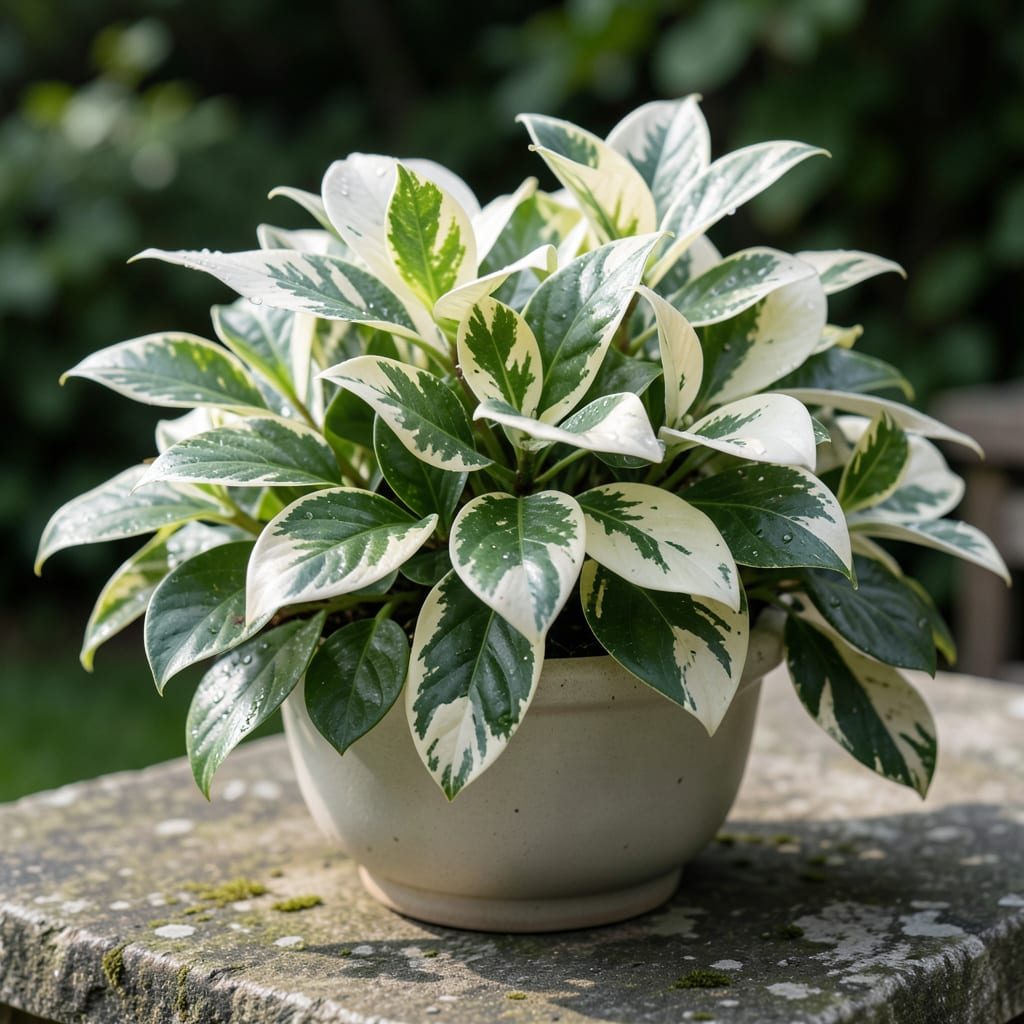
White leaves on boxwood aren’t just unsightly—they’re a warning sign. I’ve seen this issue creep up in gardens, and catching it early makes all the difference.
Boxwood blight, powdery mildew, or even pests like mealybugs can turn leaves white. The culprit often hides in plain sight: overcrowded plants, poor airflow, or too much shade create perfect conditions.
With the right treatment—copper fungicides, pruning infected branches, or improving air circulation—you can stop the spread. Most plants bounce back within 2-3 weeks of consistent care.
Prevention is simpler than cure. Space plants properly, water at the base, and inspect leaves weekly. A little attention now saves you headaches later.
White leaves on boxwood can signal several underlying issues, often tied to environmental stress or disease. Below are the most common causes, explained with actionable insights.
Calonectria pseudonaviculata, the fungus behind boxwood blight, thrives in humid, wet conditions. It disrupts chlorophyll production, leading to white or tan spots on leaves. Left untreated, it causes defoliation. Action: Improve airflow, avoid overhead watering, and apply fungicides like chlorothalonil at the first sign.
Extreme temperatures—either scorching heat or sudden frosts—can bleach boxwood foliage. Heat stress often appears as pale, crispy edges, while cold damage may turn leaves white or bronze. Action: Mulch to insulate roots, provide afternoon shade in hot climates, and use frost cloth in winter.
Soggy soil suffocates roots, reducing their ability to absorb nutrients like magnesium and iron—key for green pigment. Symptoms include yellowing or whitening leaves with green veins. Action: Check soil moisture before watering; amend clay soil with compost to improve drainage.
The boxwood leafminer (Monarthropalpus flavus) lays eggs inside leaves. Larvae feed internally, creating blistered, white-patched foliage. Action: Prune and destroy affected leaves in late winter before adults emerge. Use systemic insecticides like imidacloprid for severe cases.
A lack of nitrogen, iron, or magnesium can cause chlorosis (loss of green color). Iron deficiency, for example, turns young leaves white or yellow while veins stay green. Action: Test soil pH (boxwoods prefer 6.5–7.2) and apply chelated iron or a balanced fertilizer as needed.
If your boxwood’s leaves are turning white, act fast to restore its health. Here’s how to tackle the most common causes with practical fixes and prevention tips.
Fix: Remove heavily infected leaves and prune affected branches to improve airflow. Spray the plant with a fungicide (copper-based or neem oil) every 7–10 days until the issue clears. Water at the base—never overhead—to keep foliage dry.
Prevention: 💡 Space plants properly for airflow, and water in the morning so leaves dry quickly. Apply a preventative fungicide in early spring if your area is prone to humidity.
Fix: Blast pests off with a strong stream of water, then apply insecticidal soap or horticultural oil every 5–7 days. For severe cases, use a systemic insecticide. Check leaf undersides for tiny webs (mites) or cottony clusters (mealybugs).
Prevention: ✨ Inspect plants regularly, especially in hot, dry weather. Introduce beneficial insects like ladybugs or lacewings to keep pest populations in check.
Fix: Move potted boxwoods to a shadier spot or provide afternoon shade with a shade cloth. For in-ground plants, mulch heavily (2–3 inches) to retain moisture and cool roots. Trim back any crispy, bleached leaves to encourage new growth.
Prevention: 🌡️ Acclimate young plants to sunlight gradually. Ensure they get consistent moisture, especially during heatwaves.
Fix: Stop watering immediately and let the soil dry out. If the plant is waterlogged, improve drainage by amending the soil with compost or sand. For container plants, ensure pots have drainage holes and use a well-draining potting mix.
Prevention: 🎯 Water only when the top inch of soil is dry. Use a moisture meter to avoid guesswork.
Yes, fungal issues like boxwood blight can spread quickly to nearby boxwoods and other susceptible plants. Always isolate affected plants and sanitize pruning tools with rubbing alcohol between cuts.
Once leaves turn white, they won’t recover their green color. Focus on improving plant health to encourage new, healthy growth. Remove severely damaged foliage to redirect energy.
With proper treatment, new healthy growth typically appears within 2-3 weeks. Full recovery depends on the cause and severity, but consistent care speeds up the process.
