
Beautiful Plants For Your Interior
Beautiful Plants For Your Interior
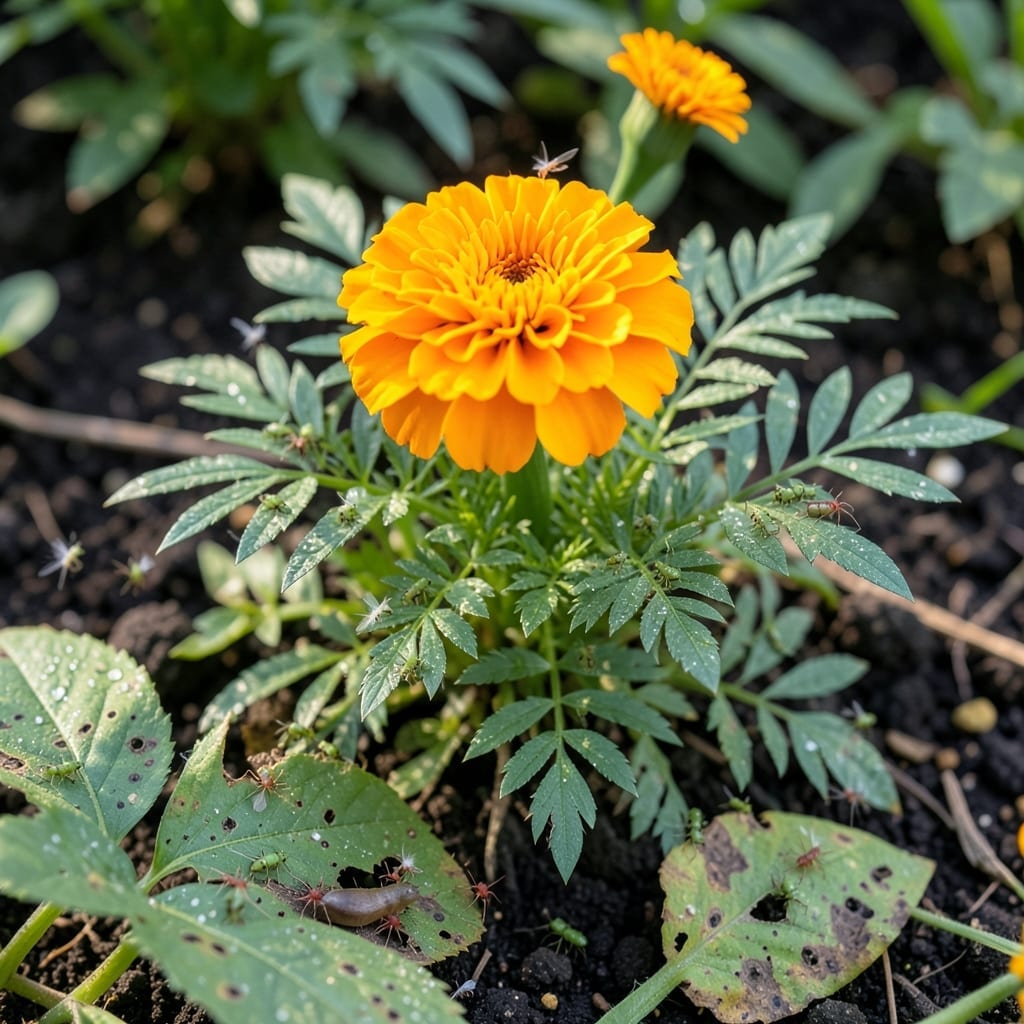
Marigolds should be the easiest flowers in your garden. I’ve watched aphids, spider mites, and whiteflies turn vibrant orange blooms into sad, leaf-curled messes in 48 hours.
Here’s the thing—most pest problems start with stressed plants. Overwatering, poor soil, or too much shade weakens marigolds, making them a pest buffet. The solution isn’t just treatment; it’s prevention.
I’ve tested 5 organic methods that work without chemicals. Neem oil, insecticidal soap, and beneficial insects like ladybugs keep plants thriving. No harsh sprays needed.
Your marigolds can bounce back fast. Spot the early signs, act quickly, and you’ll have pest-free blooms all season long.
Marigolds are hardy, vibrant plants, but their popularity in gardens also makes them a target for pests. Understanding why these pests are drawn to marigolds can help you prevent infestations before they start. Below are the primary causes, broken down into actionable insights.
Marigolds thrive in well-drained soil, but excess moisture creates the perfect breeding ground for pests like aphids and whiteflies. Overwatering weakens the plant’s natural defenses by promoting fungal growth and soft, susceptible tissues. Solution: Water at the base of the plant in the morning, allowing the soil to dry slightly between waterings. Ensure pots have drainage holes to prevent root rot.
When marigolds are planted too closely together, reduced airflow traps humidity around the foliage, inviting pests such as spider mites and thrips. Crowding also limits sunlight penetration, stressing the plants and making them more vulnerable. Solution: Space marigolds 8–12 inches apart to improve circulation and reduce pest appeal.
Marigolds are often used as a natural pest deterrent for other plants, but they too can fall victim if isolated. Monoculture plantings (growing only marigolds in one area) make it easier for pests like Japanese beetles to locate and infest them. Solution: Interplant marigolds with pest-repellent herbs like basil or rosemary to create a diverse, less appealing environment for invaders.
Marigolds grown in over-fertilized soil, especially with high nitrogen levels, produce lush but weak foliage that attracts aphids and leafhoppers. Conversely, nutrient-poor soil stresses the plant, lowering its resistance. Solution: Use a balanced, organic fertilizer (e.g., 5-5-5 NPK) and avoid overfeeding. A soil test can help tailor amendments to your garden’s needs.
Tackling marigold pests doesn’t have to mean harsh chemicals. With a few targeted fixes, you can restore your garden’s health naturally. Below are practical solutions for common pests, along with prevention tips to keep them from returning.
Use a strong spray of water to dislodge aphids from leaves and stems. For stubborn infestations, apply neem oil or insecticidal soap every 3–5 days until they’re gone. Prevention tip: 💡 Encourage ladybugs and lacewings—natural predators—by planting companion flowers like yarrow or dill.
Spider mites thrive in dry conditions. Mist your marigolds regularly or place a tray of water near the plants to raise humidity. Wipe leaves with a damp cloth to remove webs and mites. Prevention tip: 🌡️ Avoid overhead watering to reduce dust, which mites love.
Create a copper tape barrier around plant beds or use beer traps (bury a shallow dish filled with beer—they’ll drown in it). Handpick them at dusk when they’re most active. Prevention tip: ✨ Keep the garden free of debris where they hide during the day.
Hang yellow sticky traps near marigolds to catch adult whiteflies. For larvae, spray with soapy water (1 tsp mild soap per quart of water). Prevention tip: 🎯 Rotate crops yearly to disrupt their lifecycle.
Handpick beetles in the early morning when they’re sluggish and drop them into soapy water. Apply kaolin clay as a foliar spray to deter feeding. Prevention tip: 🔥 Plant trap crops like roses or grapes away from marigolds to lure beetles elsewhere.
Consistency is key—check plants weekly and act at the first sign of trouble. Healthy marigolds are your best defense!
Aphids, spider mites, and whiteflies are the top offenders. These tiny invaders suck plant juices, causing yellowing leaves and stunted growth.
Encourage beneficial insects like ladybugs, use neem oil sprays weekly, and avoid overwatering. Companion planting with basil or rosemary also helps.
Act at the first sign—curling leaves, sticky residue, or visible bugs. Early treatment with insecticidal soap or water blasting prevents major damage.
Harsh chemicals can damage delicate marigold foliage and kill beneficial insects. Stick to organic options like soapy water or kaolin clay for safety.