
Beautiful Plants For Your Interior
Beautiful Plants For Your Interior
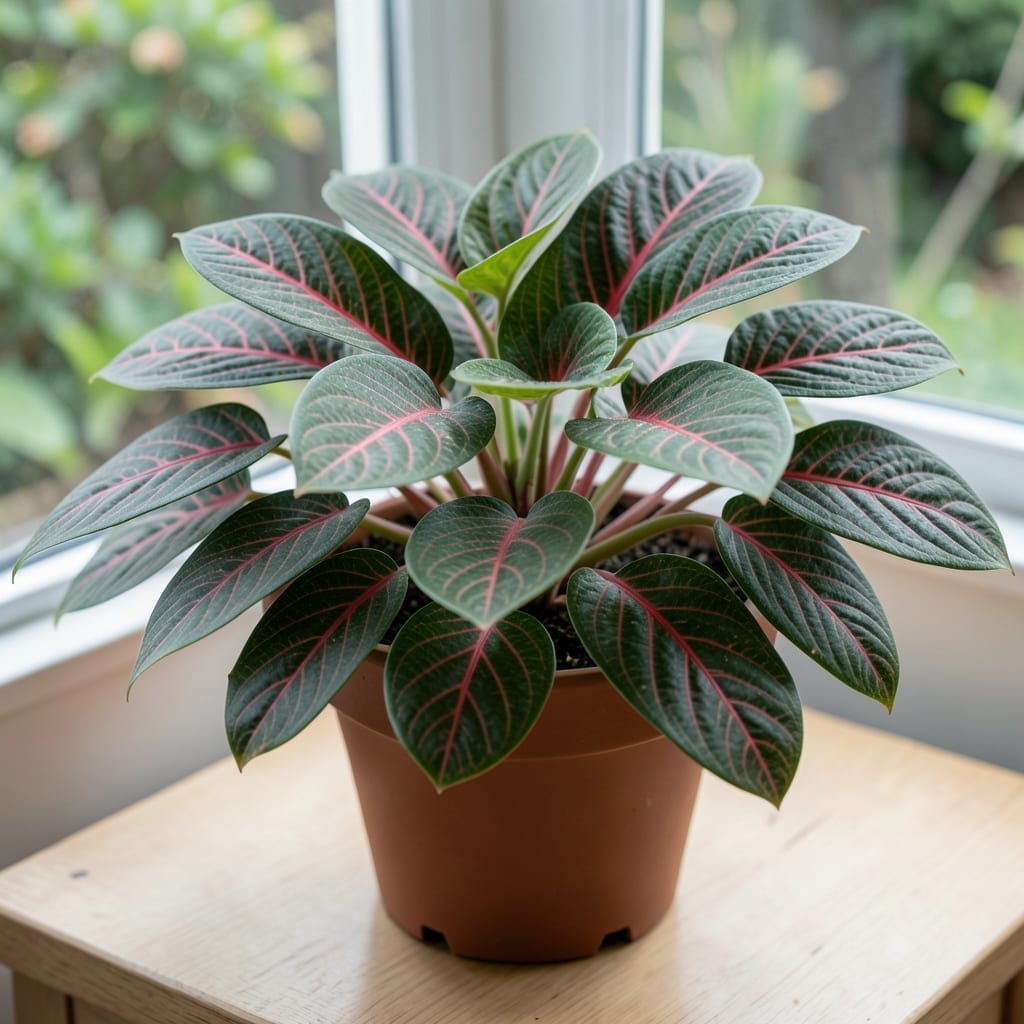
Watching your maranta’s leaves curl is like getting a distress signal from a good friend. I’ve been there—frantically checking soil, humidity, and light, only to realize the problem was simpler than I thought.
Most often, it’s about water stress or dry air. Either the soil’s too dry or the air lacks moisture, and your plant reacts by tightening up its leaves to conserve what it has.
Sometimes, it’s pests hiding under those leaves or too much direct light scorching them. The fix usually involves adjusting your care routine slightly—nothing drastic.
With the right tweaks, those leaves unfurl within 24-48 hours, looking as vibrant as ever. Here’s how to diagnose and fix it for good.
Maranta leaves curl in response to environmental stress, often as a survival mechanism. Below are the most common causes, explained scientifically to help you diagnose and address the issue.
Maranta leuconeura (prayer plant) is native to tropical regions, where humidity levels are consistently high. When indoor humidity drops below 50%, the plant loses moisture faster than it can absorb it through its roots. This triggers osmoregulation—cells shrink to conserve water, causing leaves to curl inward to reduce surface area and minimize water loss.
Marantas thrive in temperatures between 65–80°F (18–27°C). Exposure to cold drafts (below 60°F/15°C) or heat stress (above 85°F/29°C) disrupts their cellular function. Cold stress slows enzyme activity, while heat increases transpiration, leading to dehydration and curling. Avoid placing your plant near vents, radiators, or drafty windows.
Inconsistent watering habits can cause leaf curling. Overwatering suffocates roots, reducing oxygen uptake and leading to root rot, which impairs nutrient delivery. Conversely, underwatering forces the plant to ration water, causing turgor pressure loss in leaves. Check soil moisture 1–2 inches deep—it should be moist but not soggy. Use well-draining soil to prevent waterlogging.
Marantas prefer bright, indirect light. Direct sunlight (especially afternoon rays) can scorch leaves, triggering a protective curl to shield the plant from UV damage. This is often accompanied by bleached or crispy edges. Move your plant to a spot with filtered light or use a sheer curtain to diffuse intensity.
Here’s how to address the most common causes of Maranta leaf curling, with actionable fixes and prevention tips to keep your plant thriving.
Fix: Check the soil moisture by sticking your finger an inch deep. If it’s bone-dry, water thoroughly until it drains from the bottom. If soggy, let the top 1-2 inches dry out before watering again. Use a well-draining potting mix to prevent root rot.
Prevention: Water when the topsoil feels dry, and always use pots with drainage holes. A moisture meter can help take the guesswork out. 🌡️
Fix: Move your Maranta to a spot with bright, indirect light. If leaves are crispy or bleached, it’s getting too much direct sun. For leggy growth or pale leaves, increase light exposure gradually.
Prevention: Rotate the plant occasionally for even light distribution, and avoid placing it near hot windows or drafts.
Fix: Boost humidity by misting the leaves daily or placing the pot on a pebble tray filled with water. Grouping plants together also helps create a microclimate.
Prevention: Use a humidifier nearby for consistent moisture, especially in dry indoor environments. Aim for 50-60% humidity. 💡
Fix: Inspect the undersides of leaves for spider mites, aphids, or mealybugs. Wipe leaves with a damp cloth or spray with insecticidal soap. For severe cases, use neem oil weekly until pests are gone.
Prevention: Regularly clean leaves and isolate new plants for a few weeks to prevent spreading pests.
Fix: Feed your Maranta with a balanced, water-soluble fertilizer (diluted to half strength) every 4-6 weeks during the growing season. Yellowing leaves may indicate a lack of nitrogen or magnesium.
Prevention: Refresh the soil annually and avoid over-fertilizing, which can cause salt buildup. ✨
Water when the top 1-2 inches of soil feel dry. Typically, this means watering every 7-10 days, but check soil first. Overwatering is just as harmful as underwatering.
No, but too much direct light can. Marantas need bright, indirect light. If leaves curl and edges crisp, move it away from harsh sun. Leggy growth signals it needs more light.
Yes! Once you fix the issue, most leaves unfurl within 24-48 hours. Severely damaged leaves may not recover fully, but new growth will be healthy.
Aim for 50-60% humidity. Use a humidifier or pebble tray if your home is dry. Misting helps temporarily but isn’t a long-term solution.